Welcome to The Leaving Earth Project
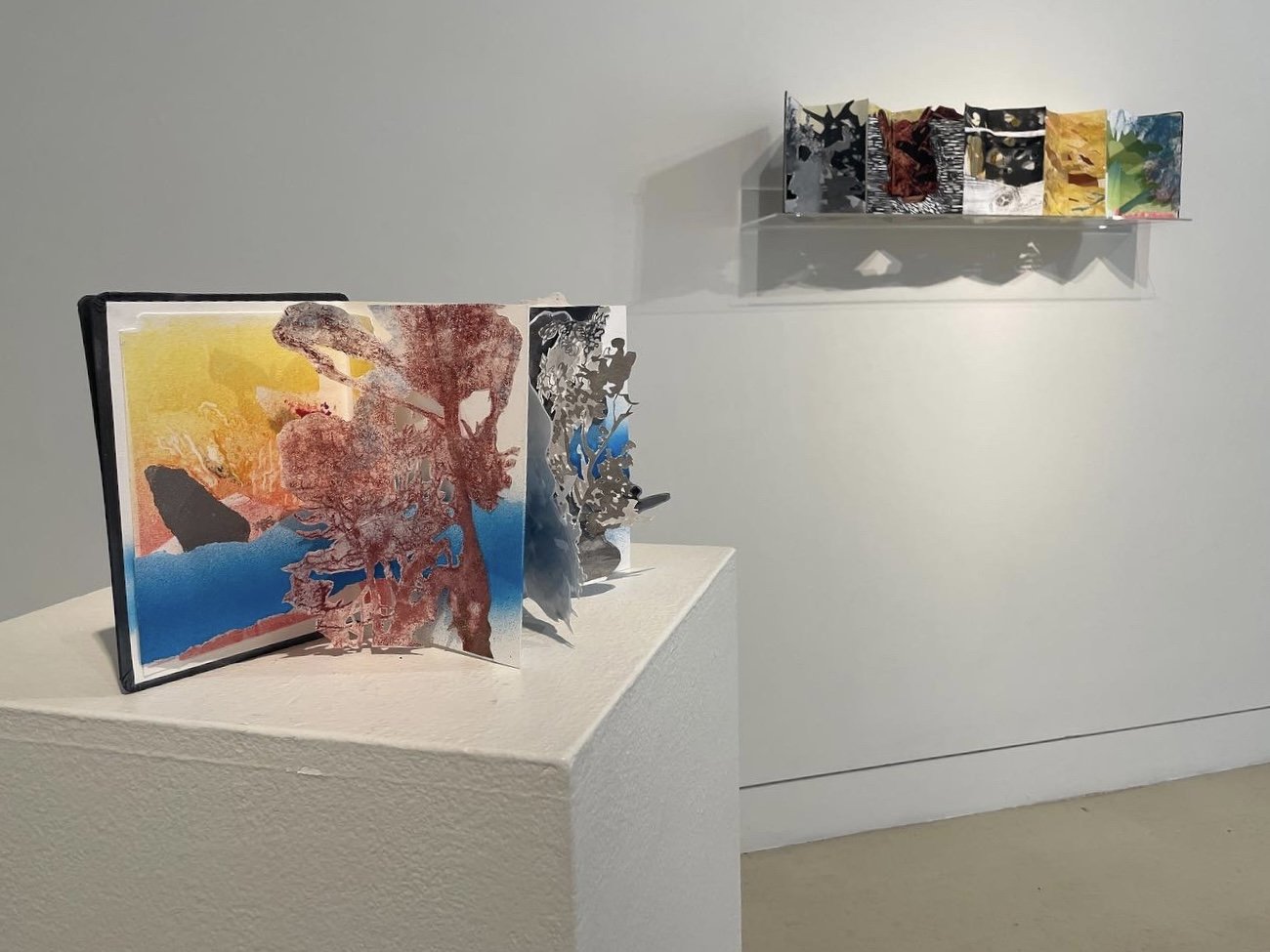
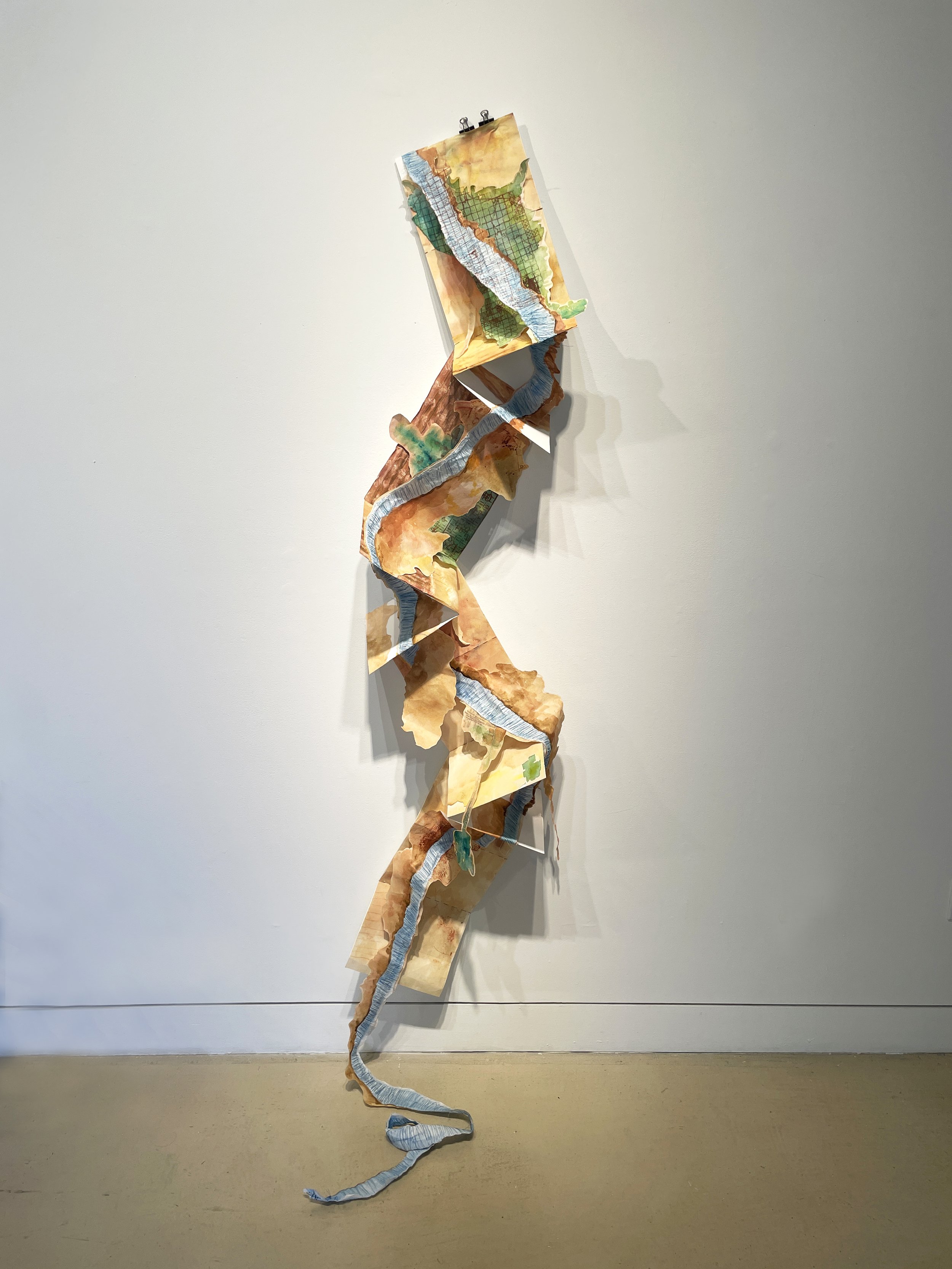
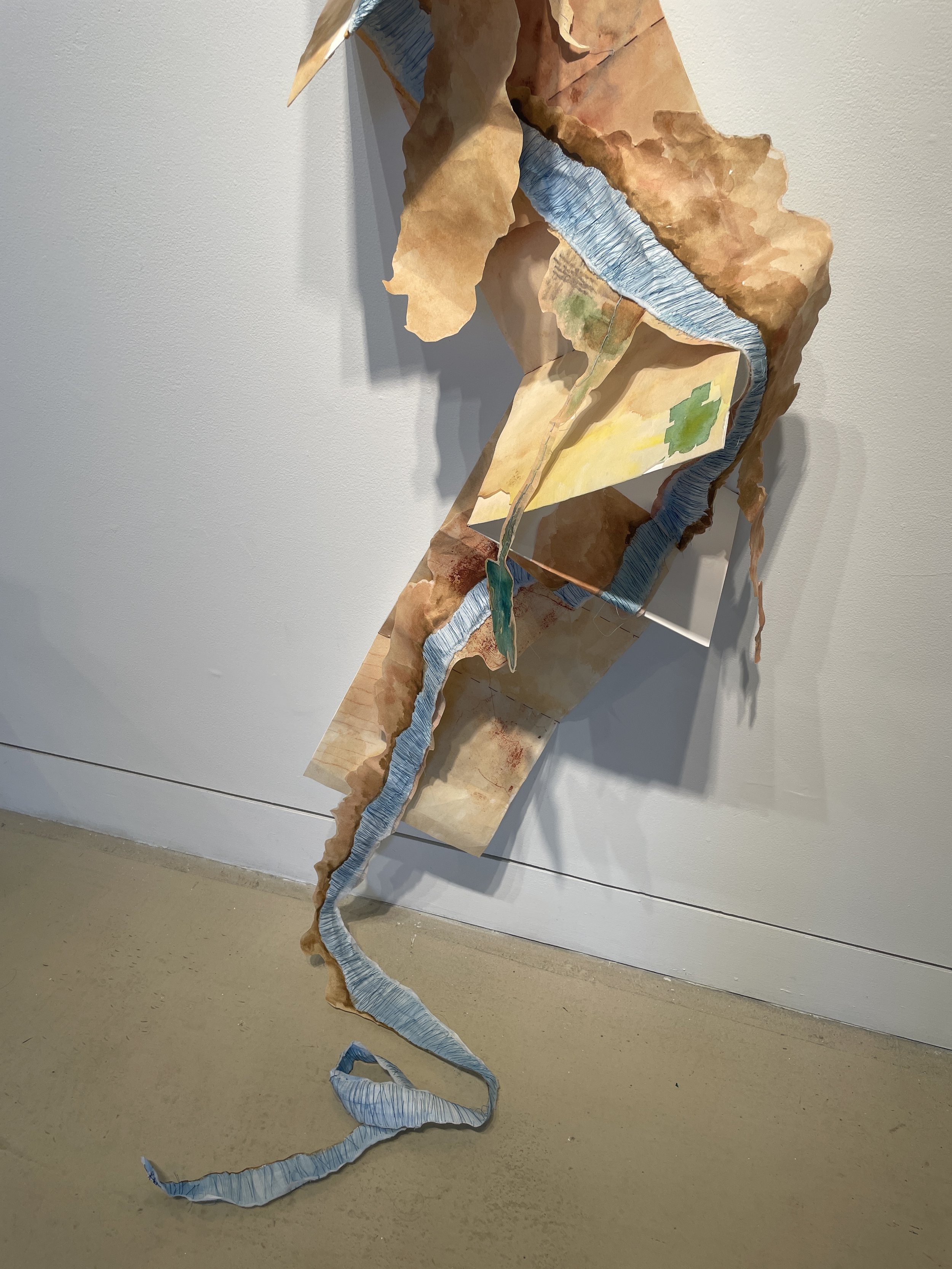
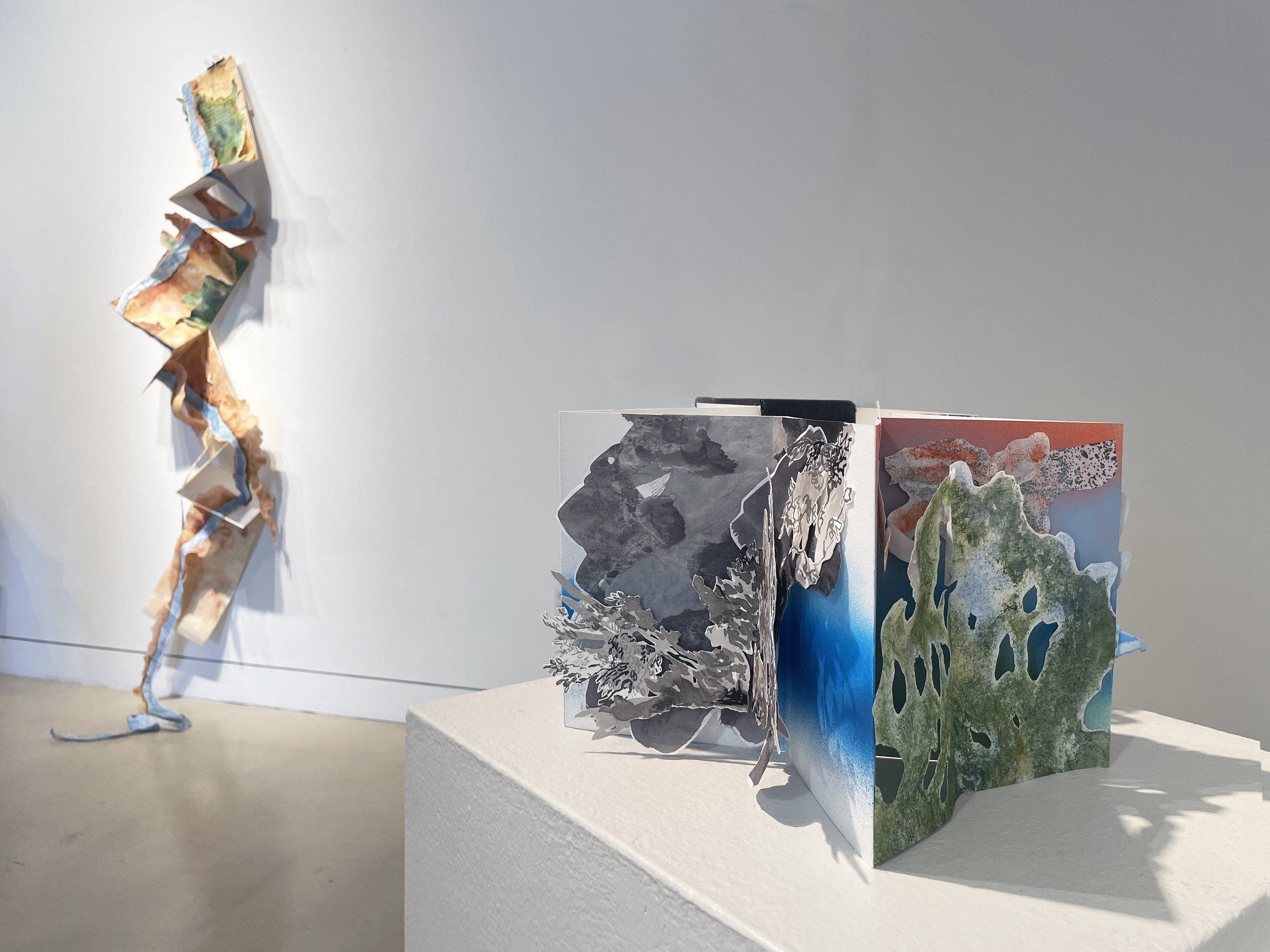
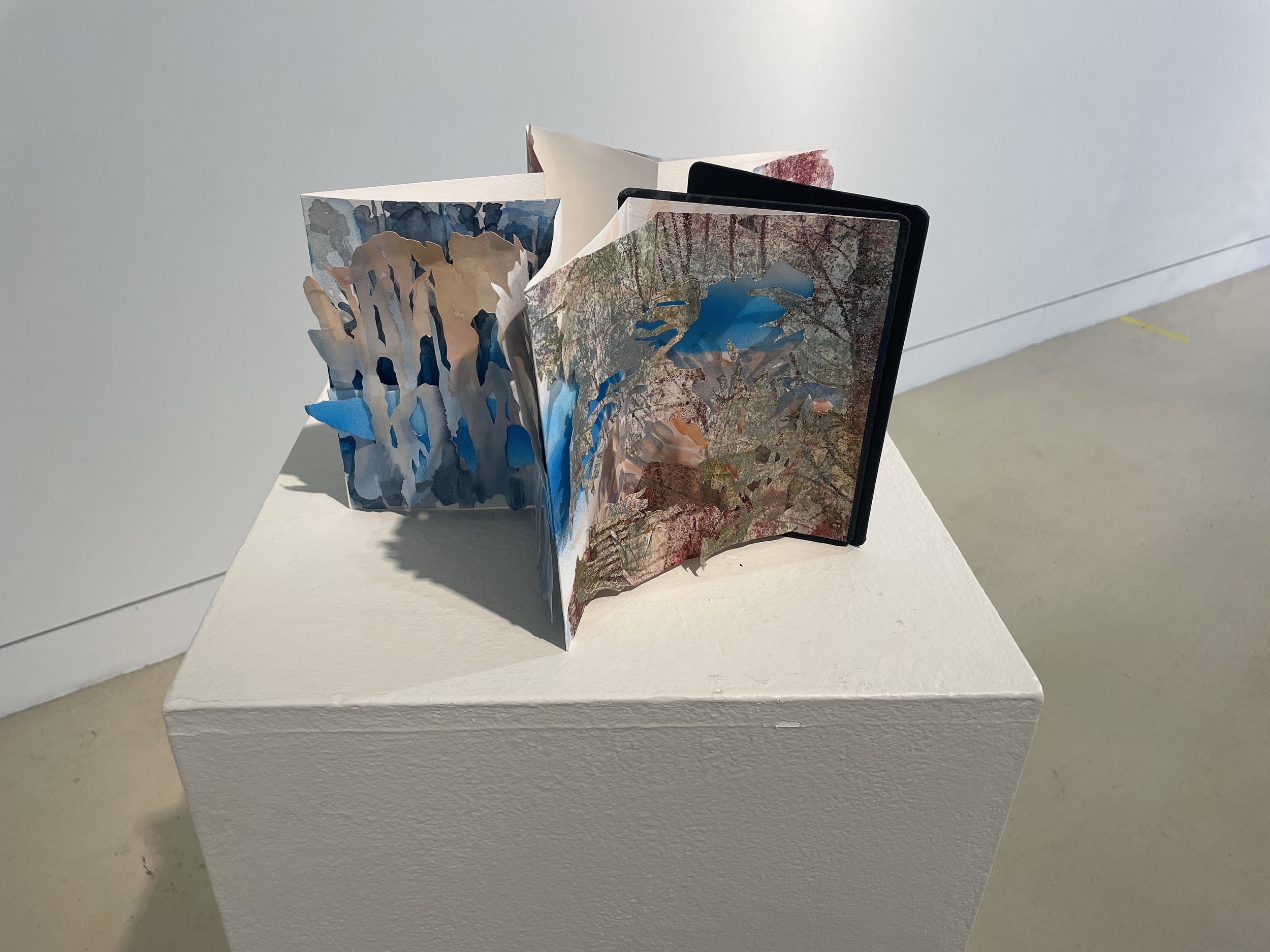
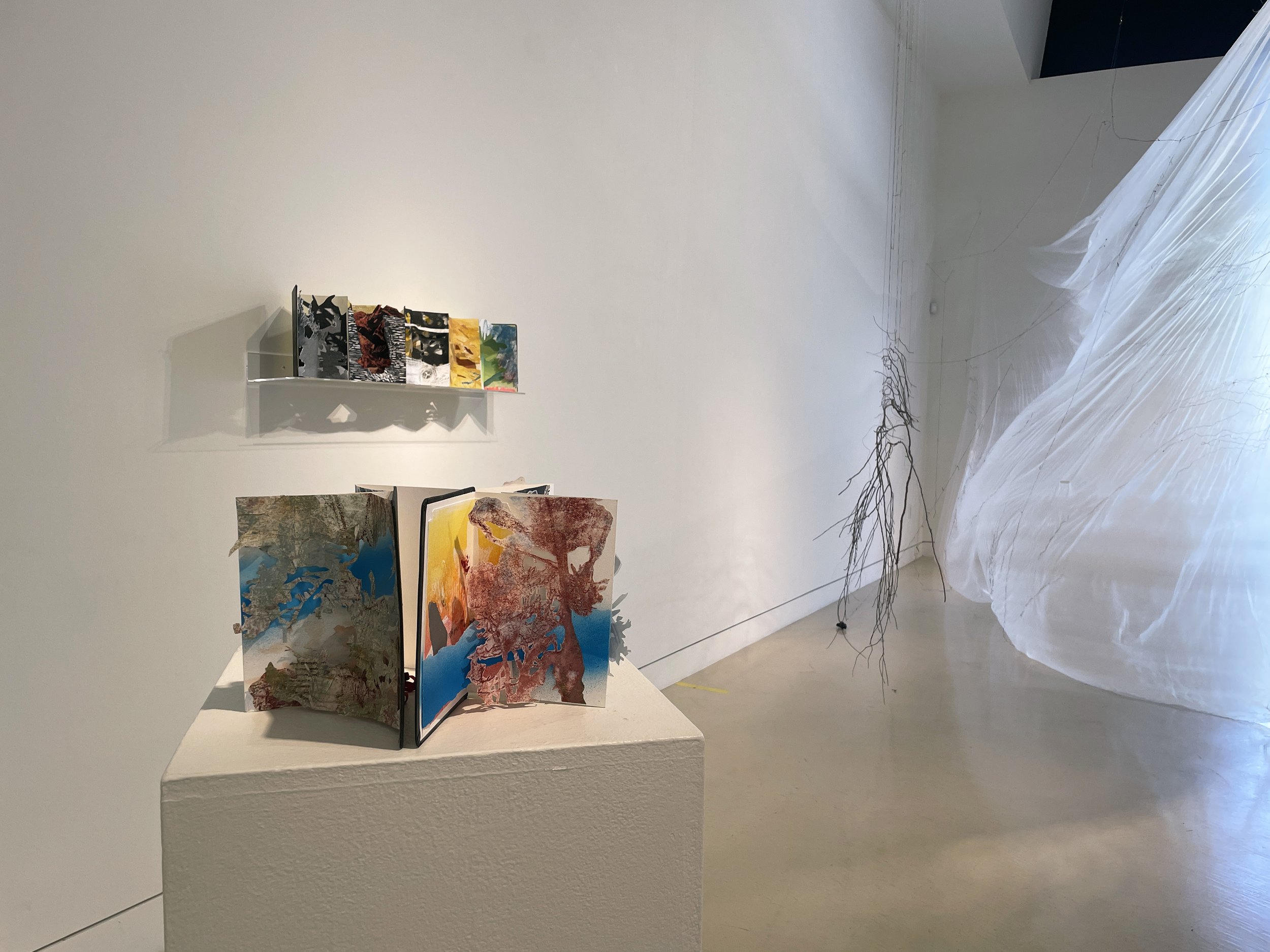
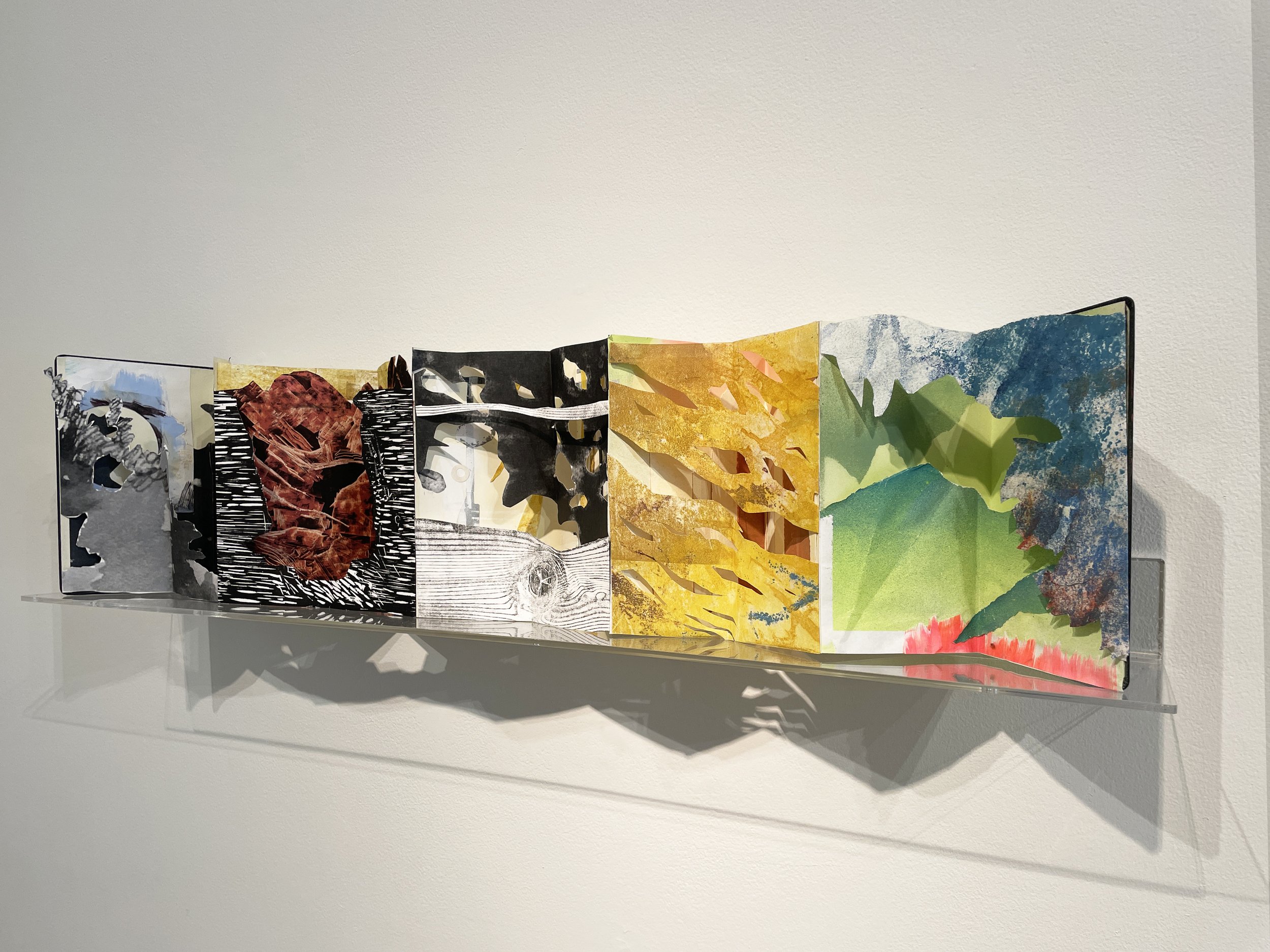
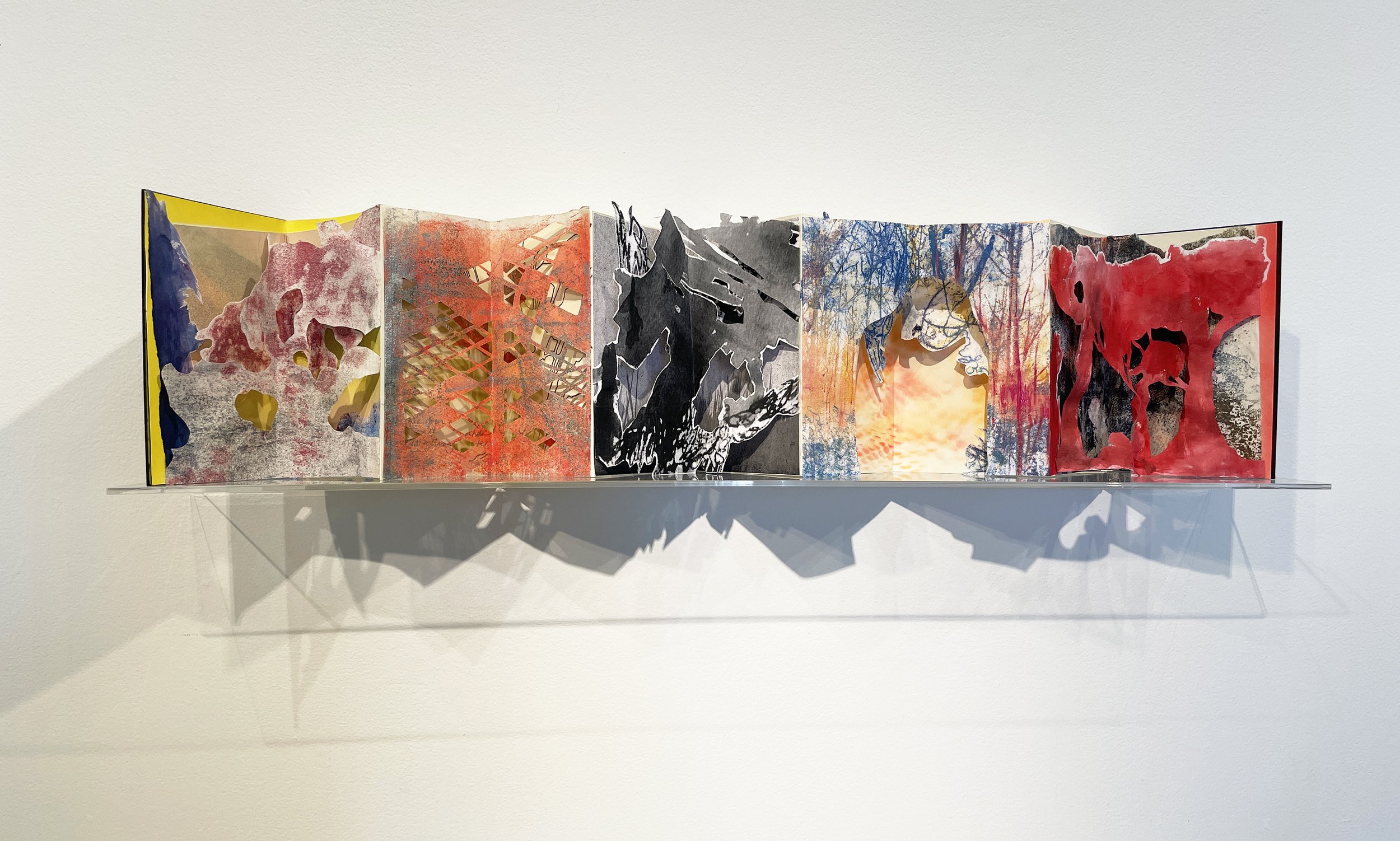
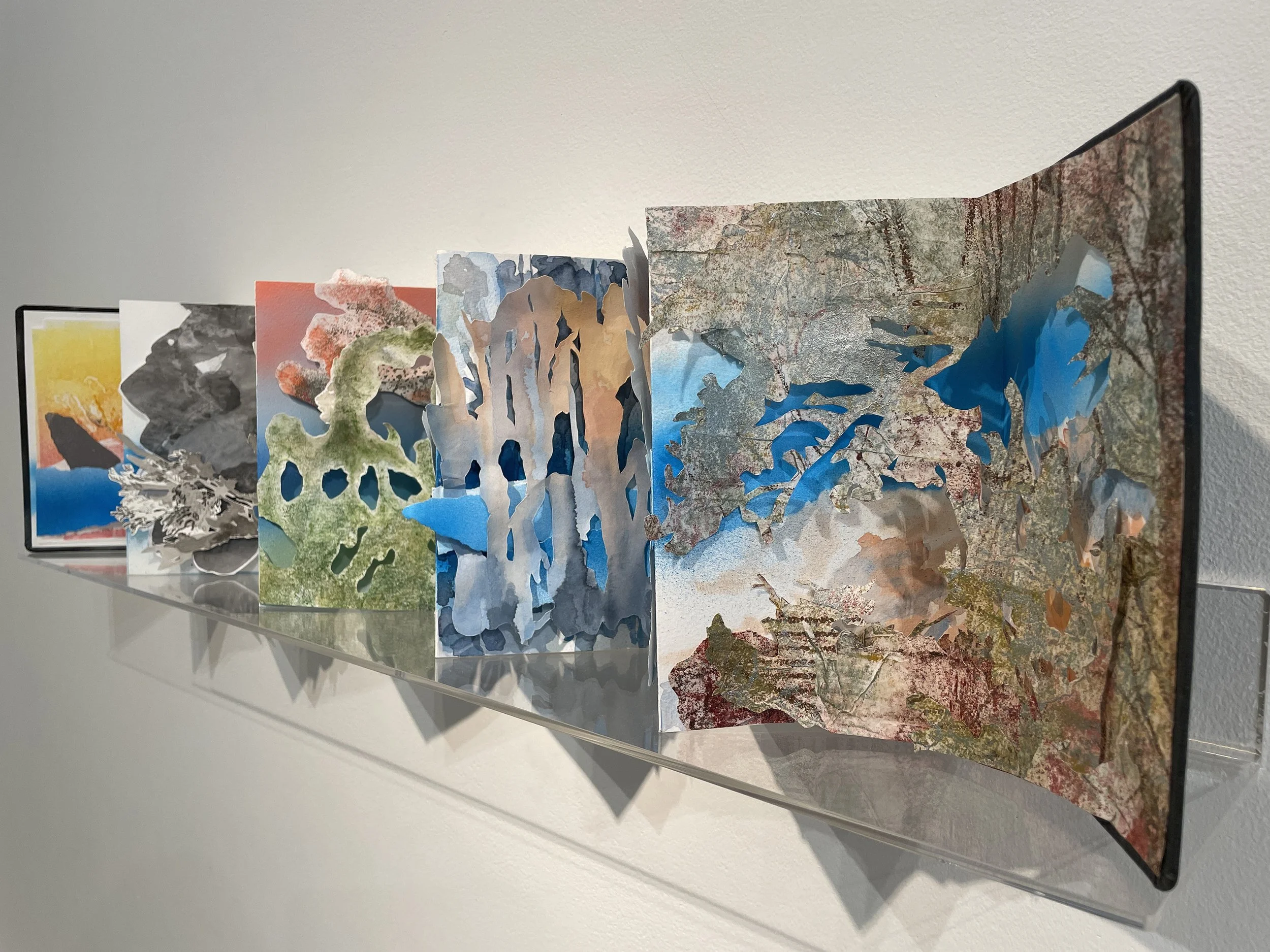
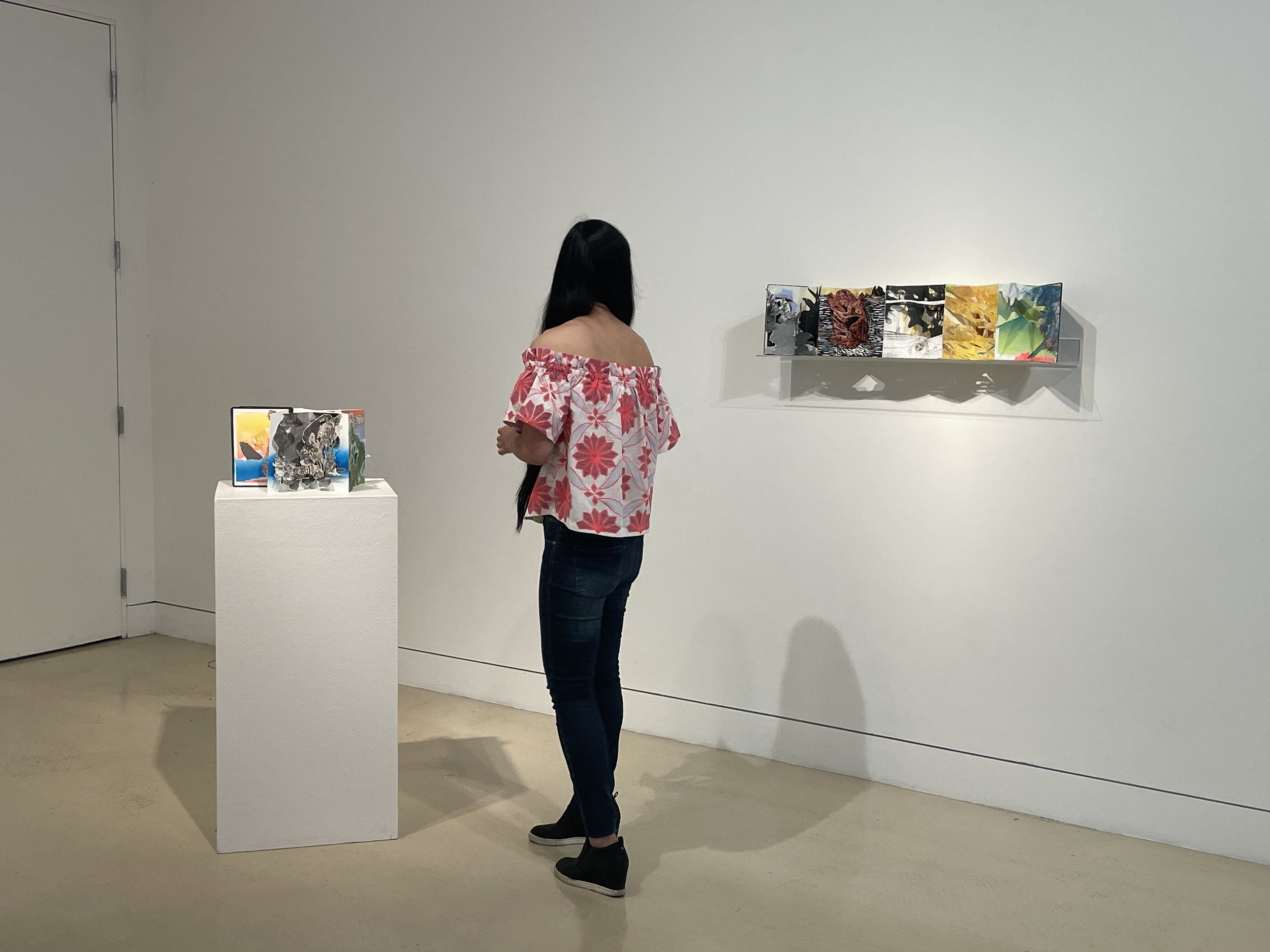
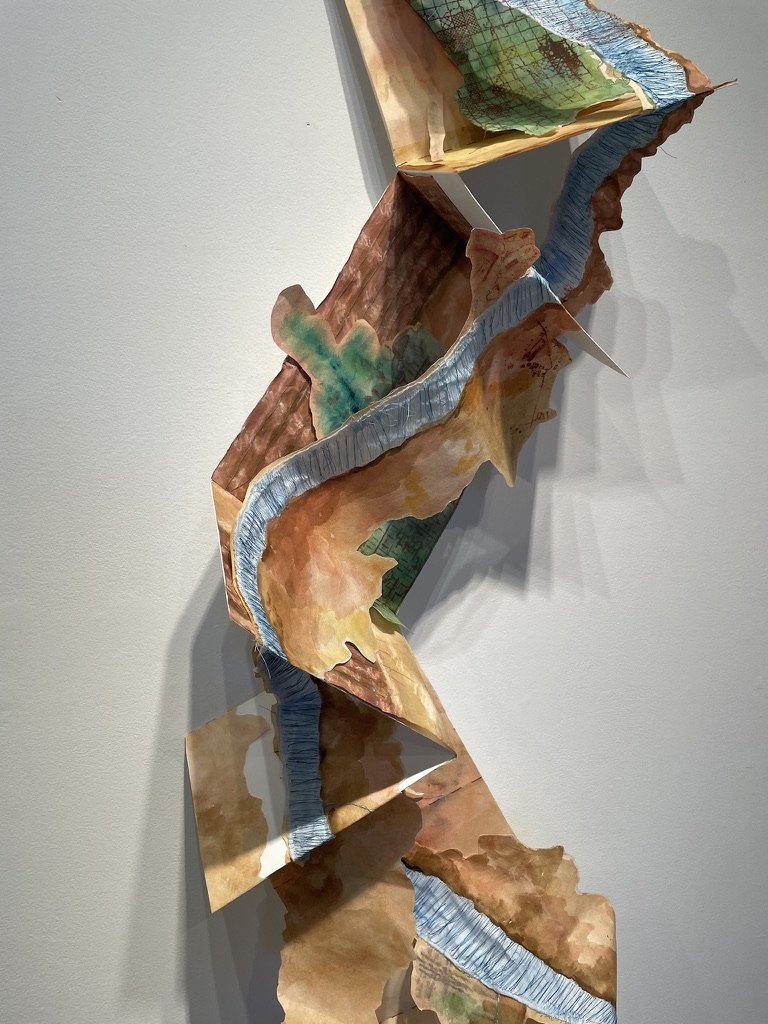
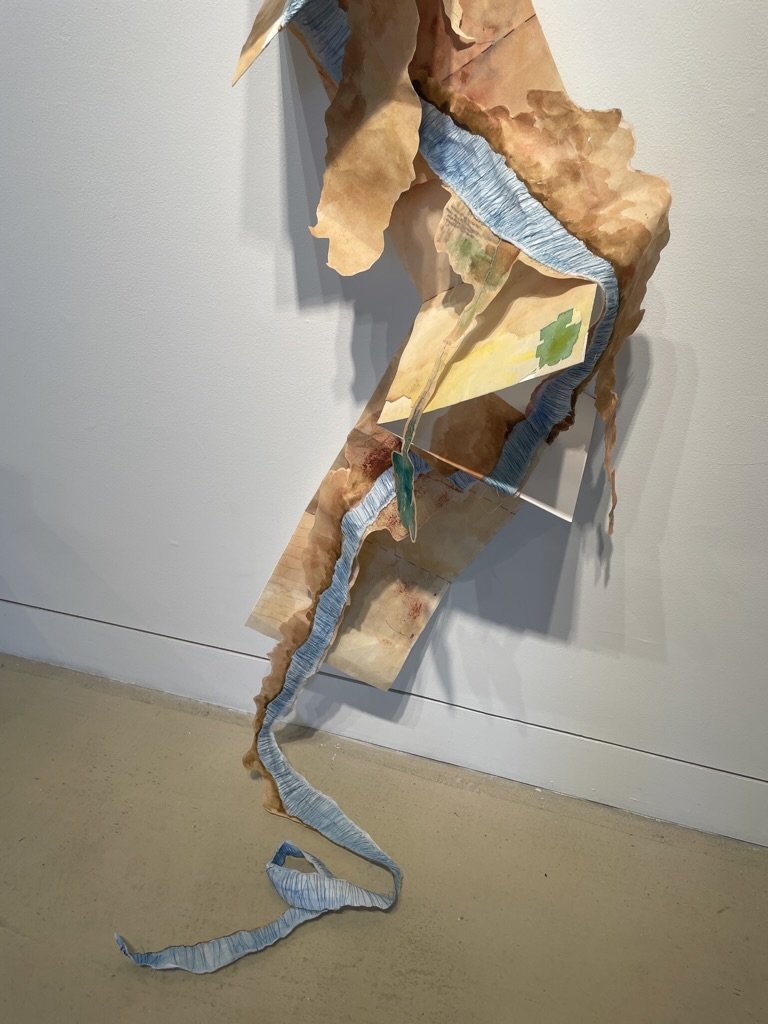
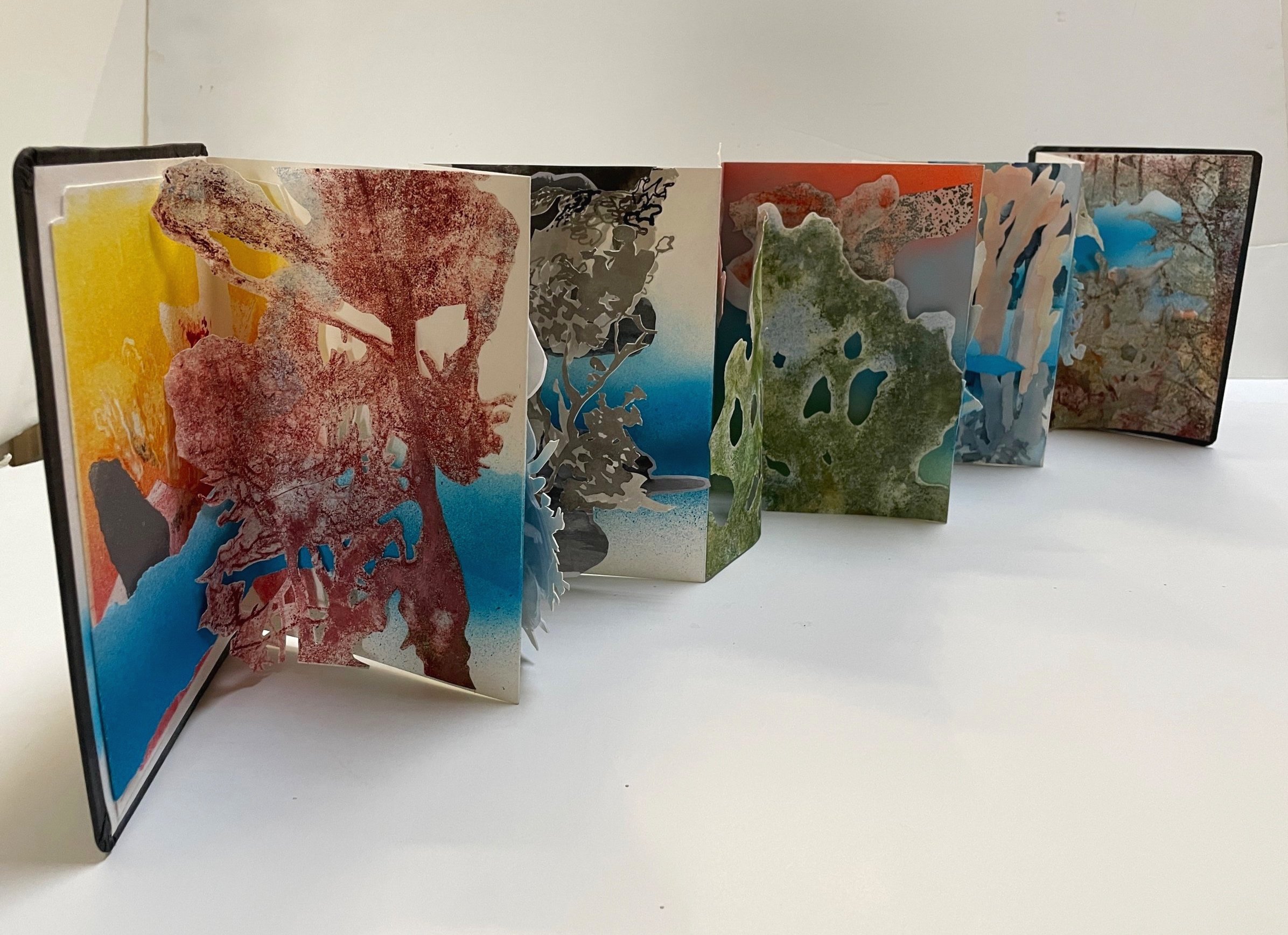
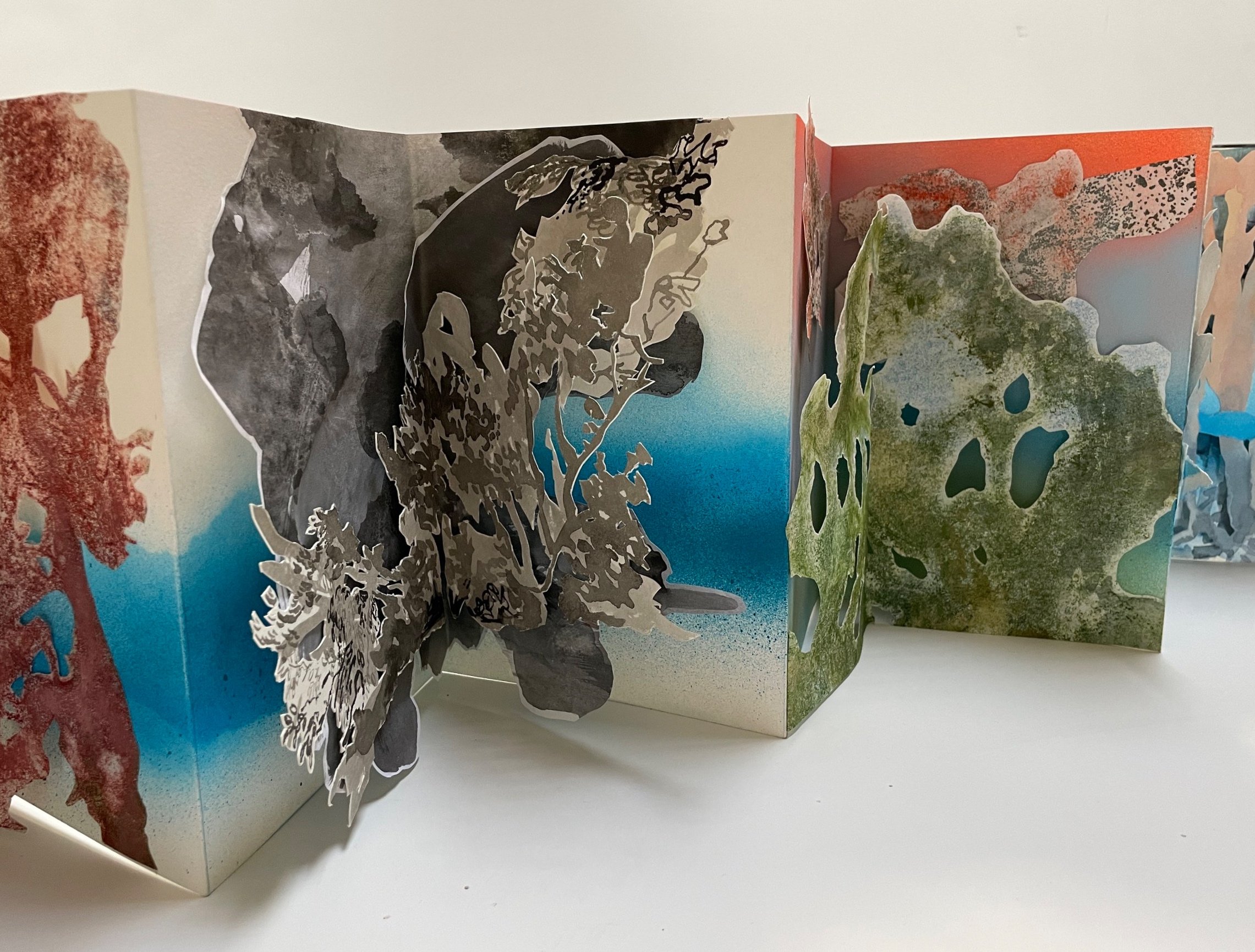
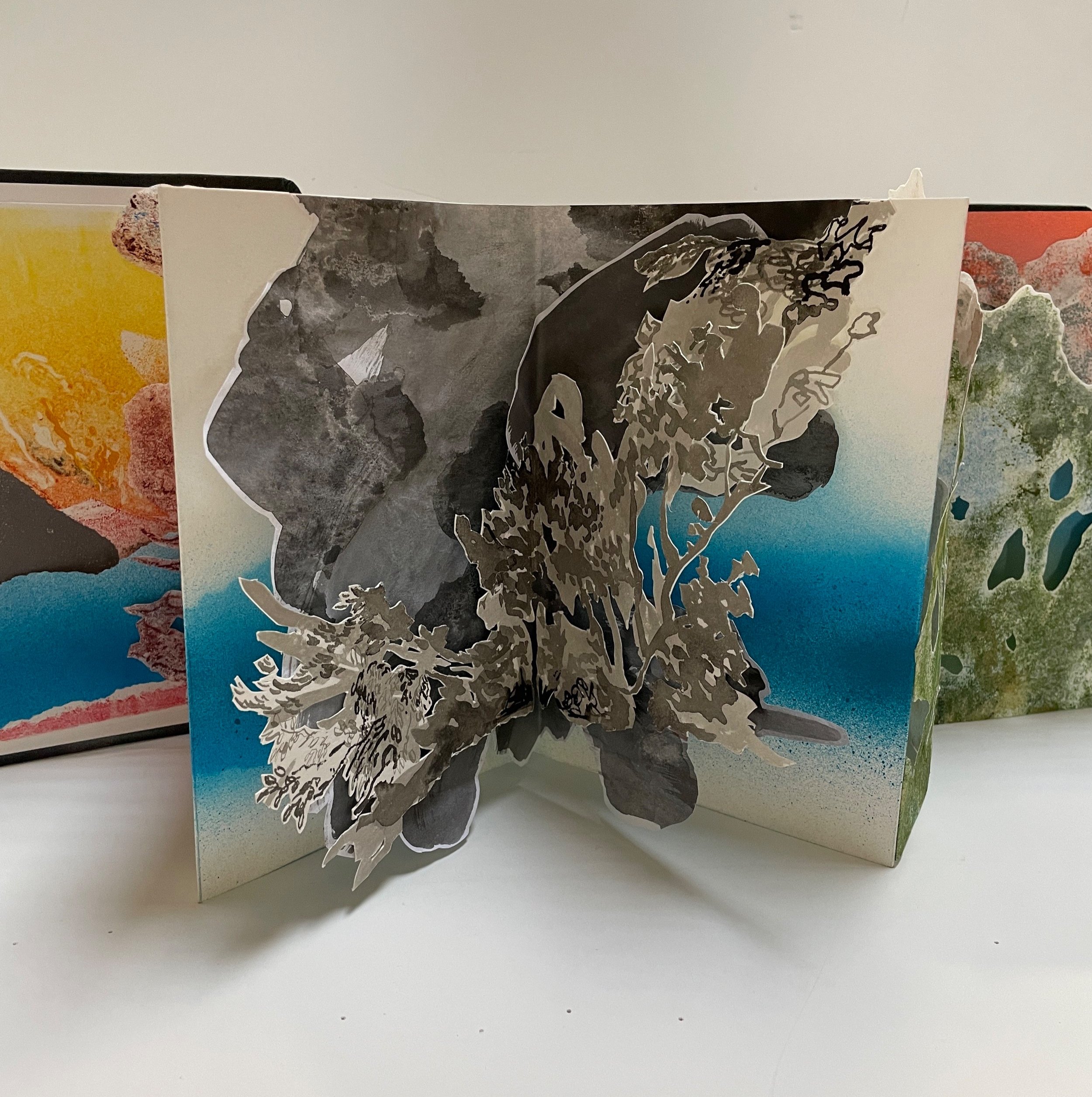
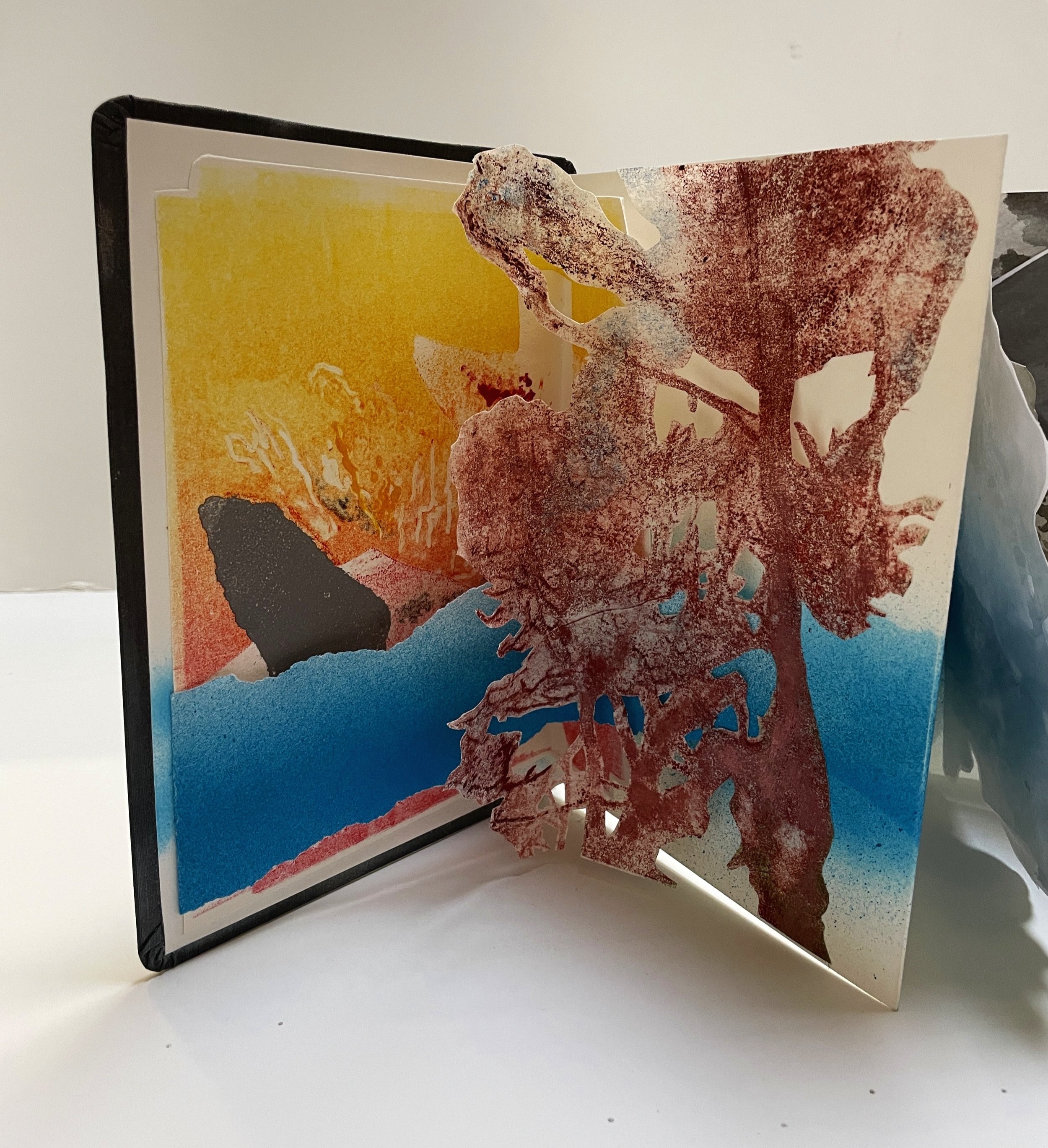
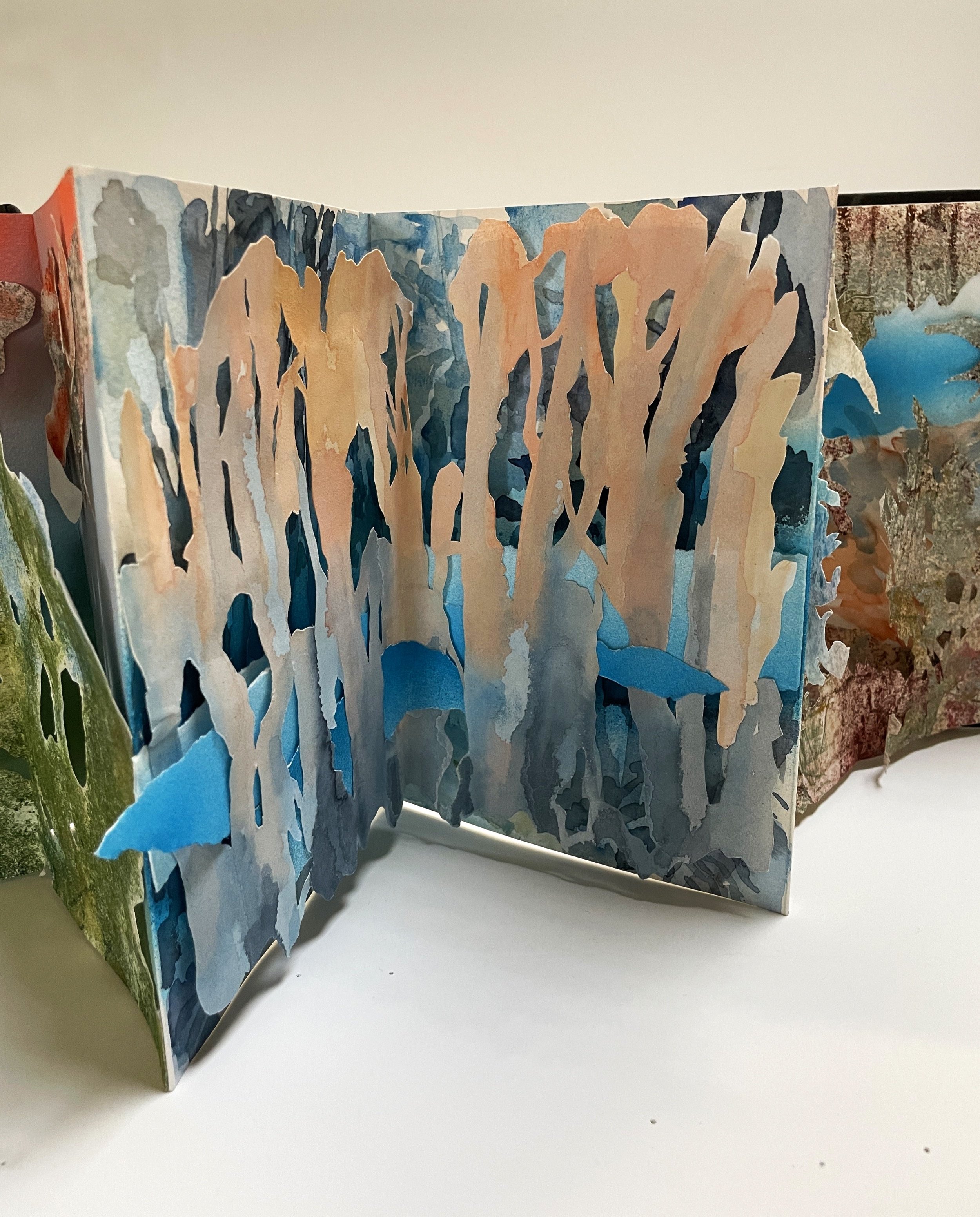
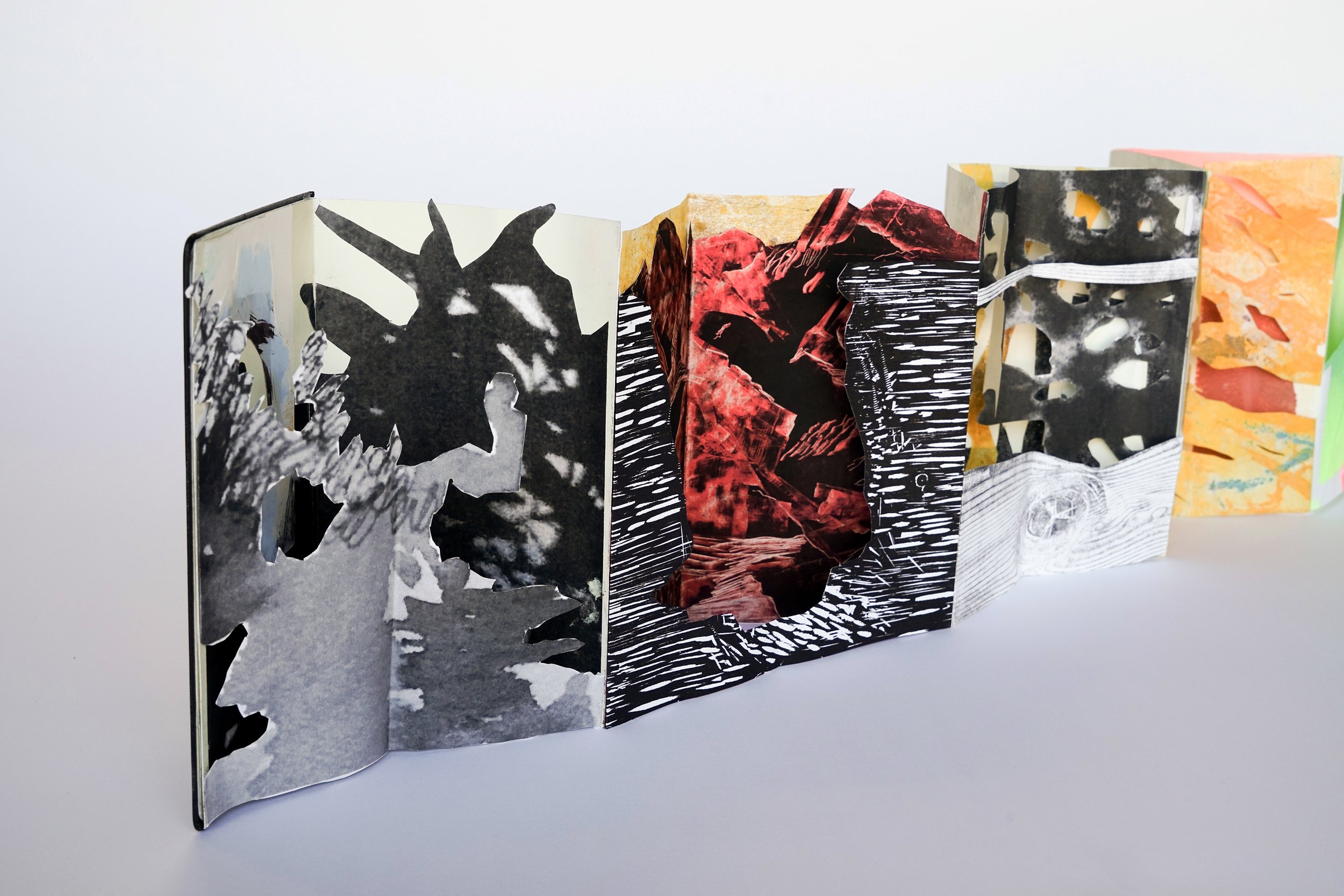
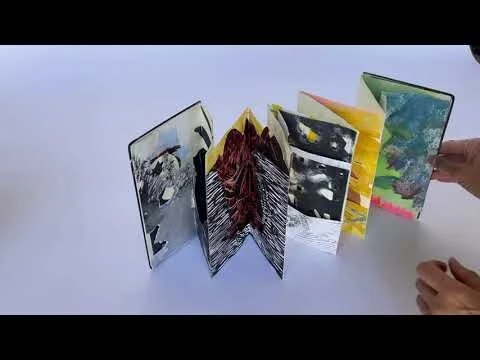
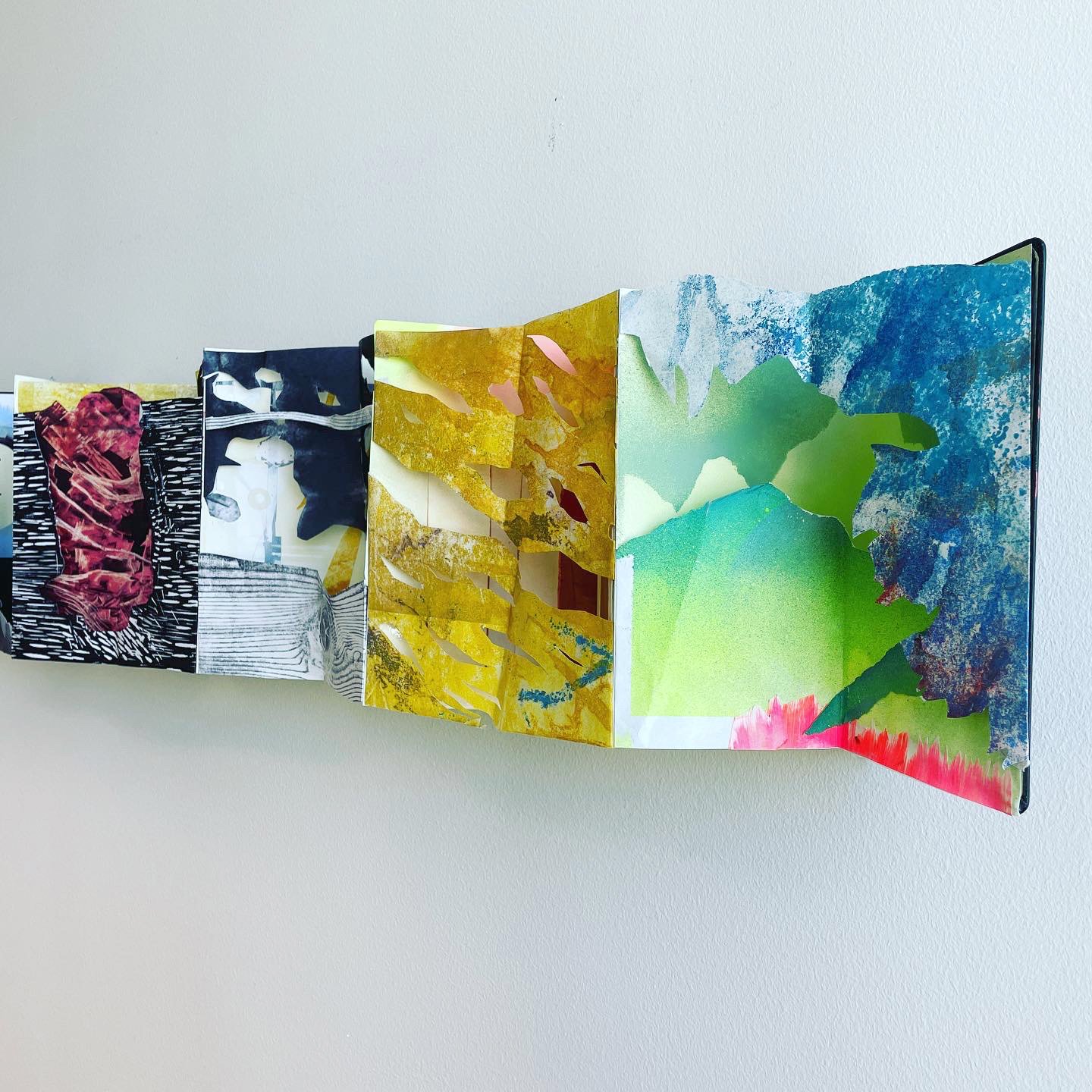
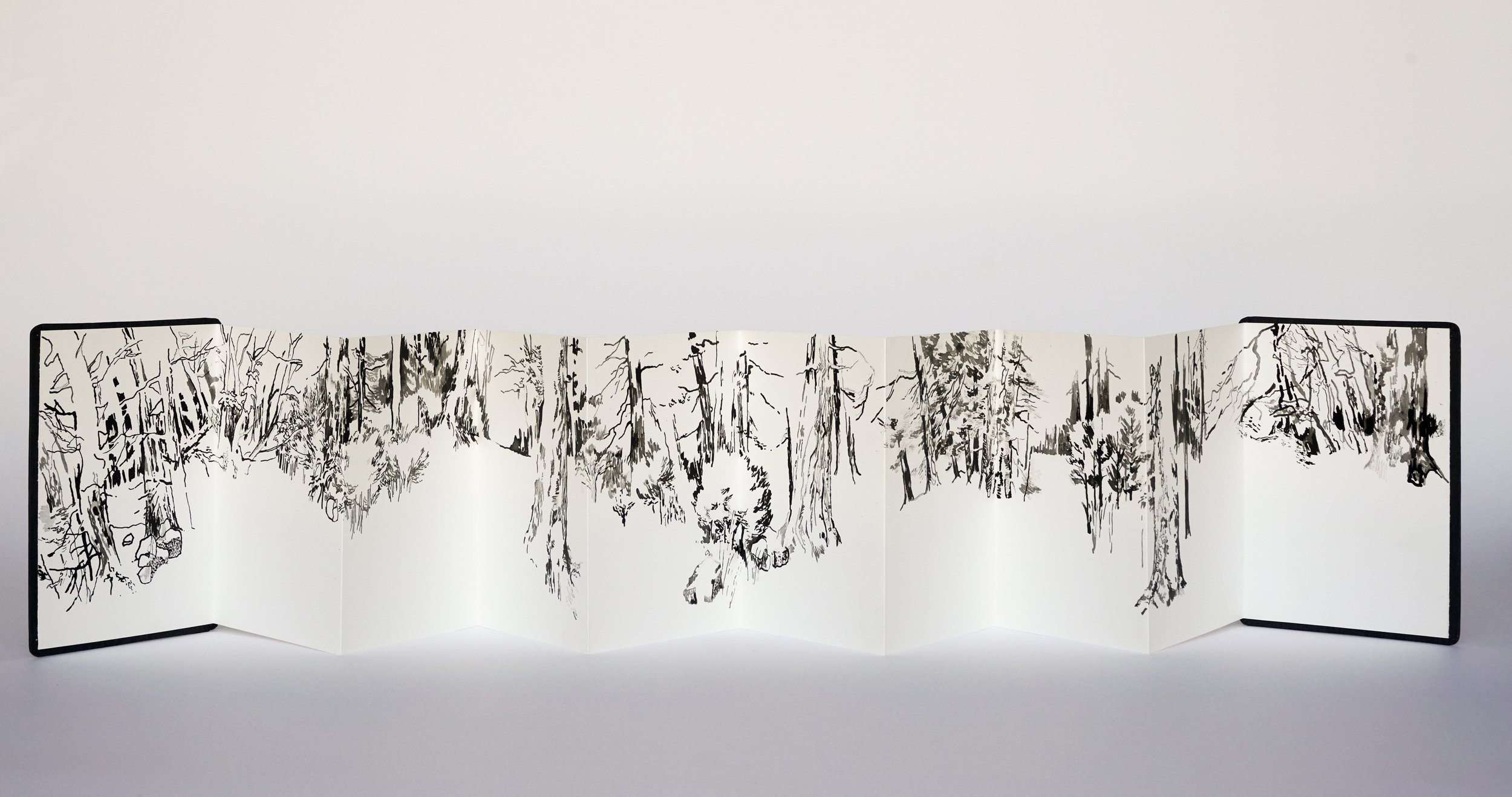
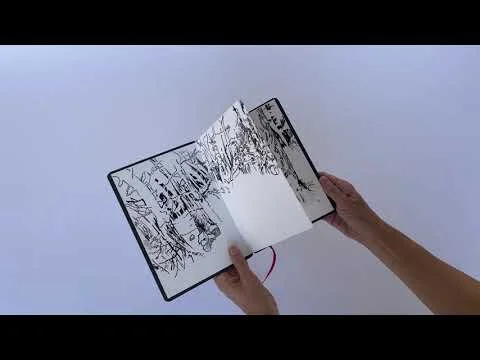
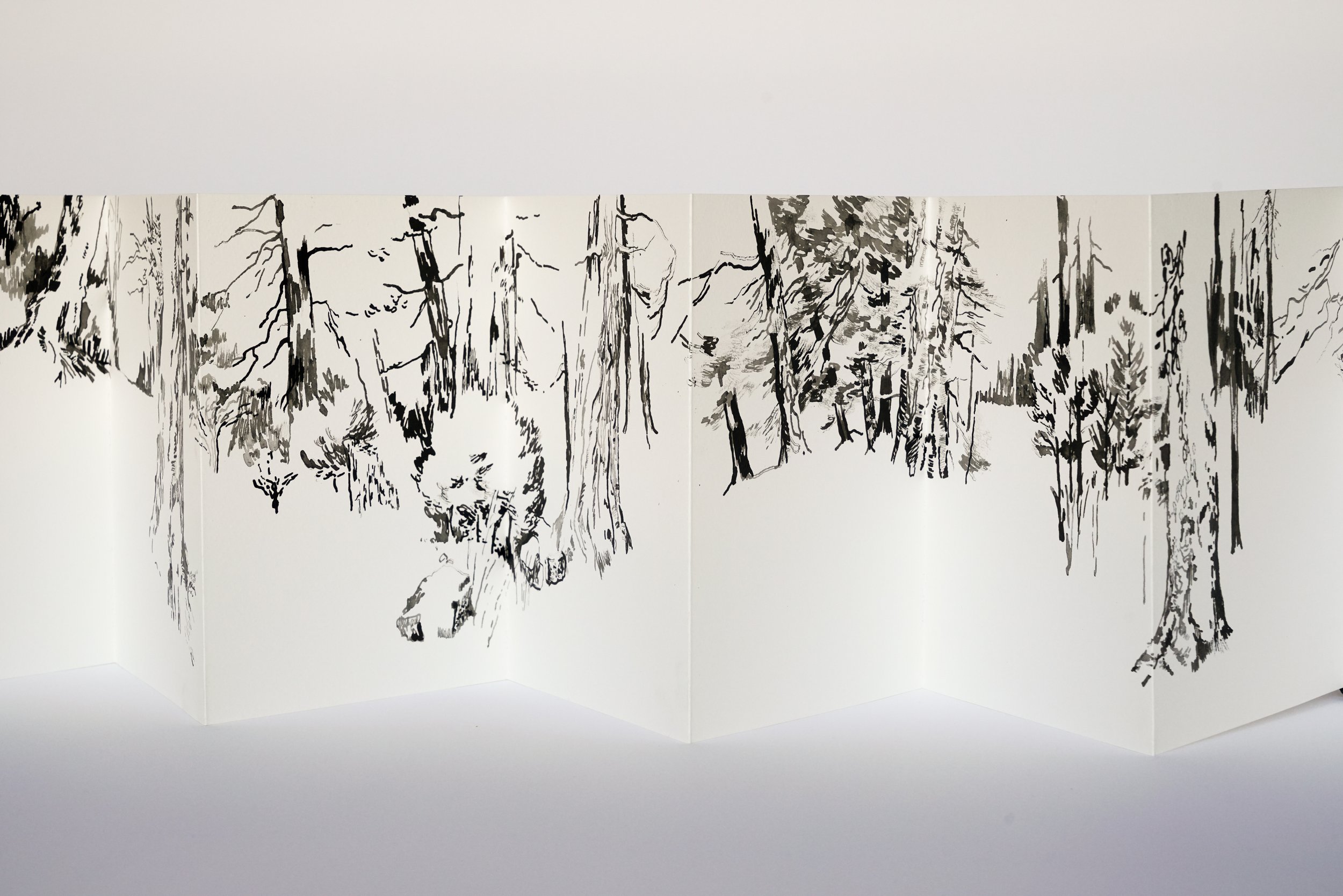
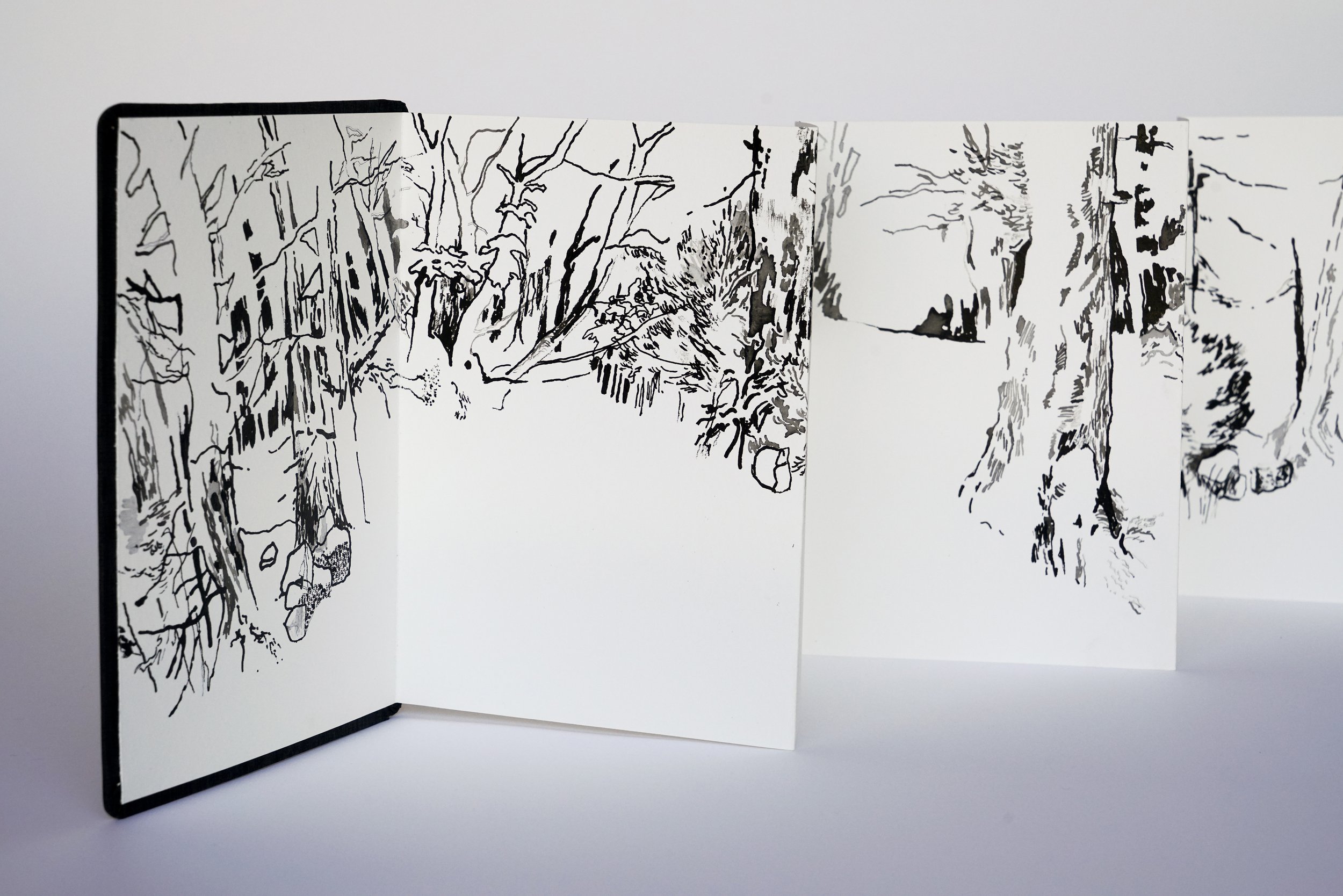
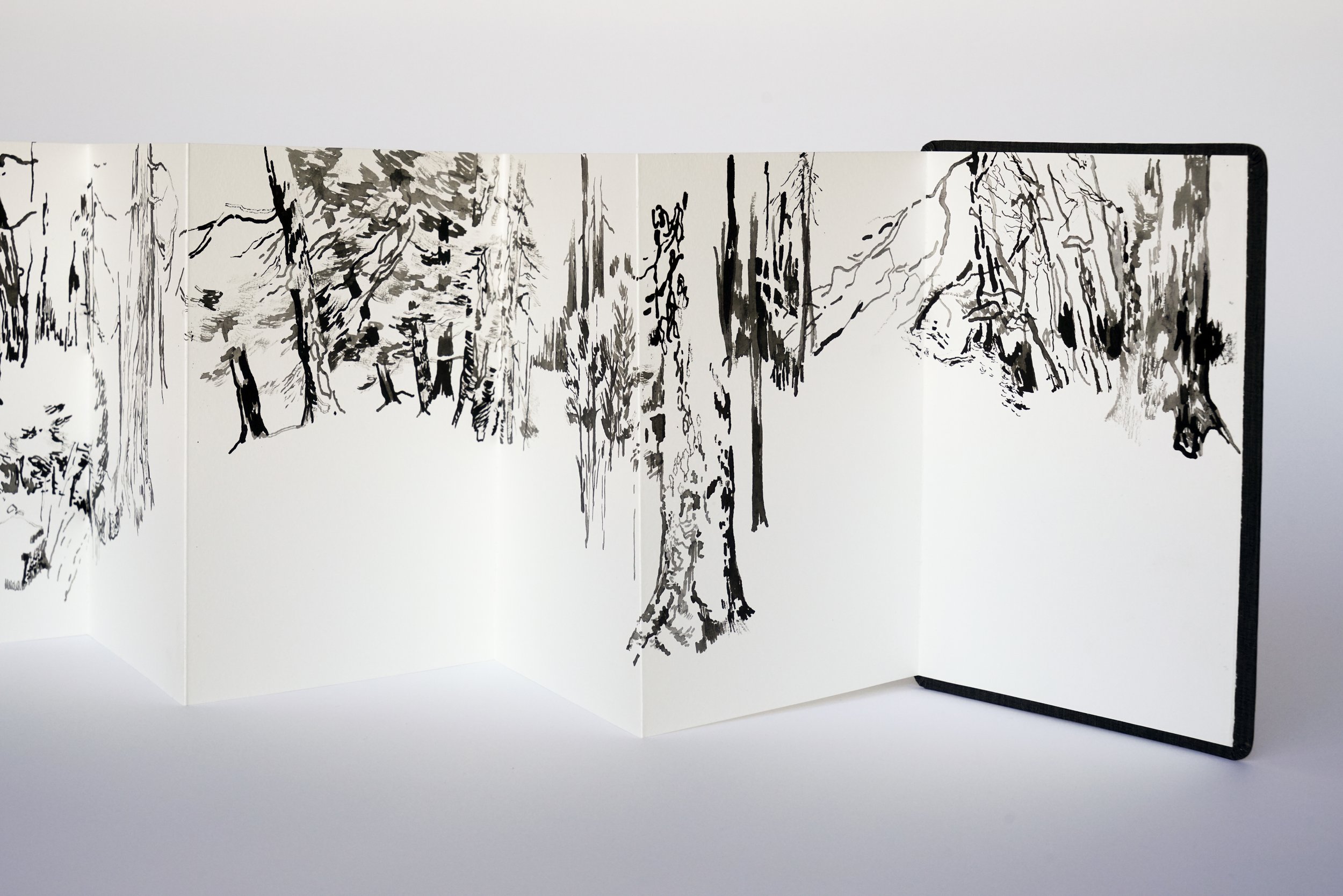
The Leaving Earth Project is a series of sculptural artist books that document textures and atmospheres from our home planet. They can be folded, pocketed, and kept to remind us of the unique experience of being in the natural spaces of planet Earth. I imagine a future space traveler taking one with them to remind them of home.
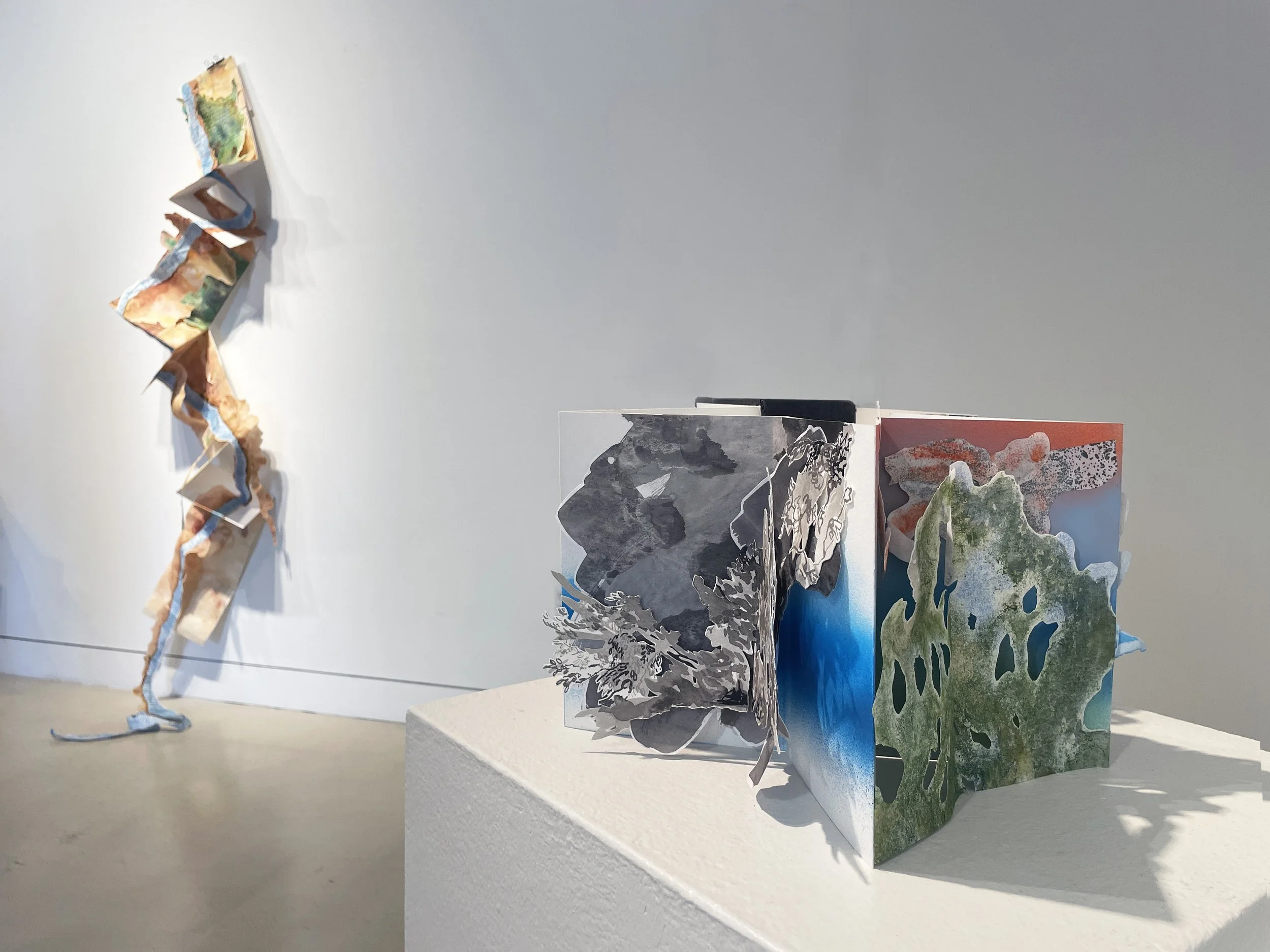
The Leaving Earth Project
If you found yourself leaving Earth on an interplanetary Ark, what would you take to remind you of the beautiful planet you are leaving behind? Perhaps a book that reminds you of all that you once had?
Inspired by dystopian science fiction and climate predictions, I began making the Leaving Earth sculptural books as aide-mémoires - a French term that translates as an 'aid to memory'. The books are an extension of my painting practice, as they are about a deep engagement with the landscapes we inhabit.

Documenting Our Home Planet
In the making of the Leaving Earth books, I explore the questions, “How will we describe these surfaces and the delicate shifts in light and color when they are no longer there to be seen? What materials and colors can we use to convey what is being lost?”
Leaving Earth is a socially engaged artist book project that fosters connection with nature through community workshops and collaborations with museums and artist residencies, all over the world. Like a message in a bottle to the future, these books are poems about light, texture, and shadow patterns made from different kinds of documentation - printmaking, photography, drawing, painting, and foraging textures and materials from nature.

Collecting Textures and Atmospheres
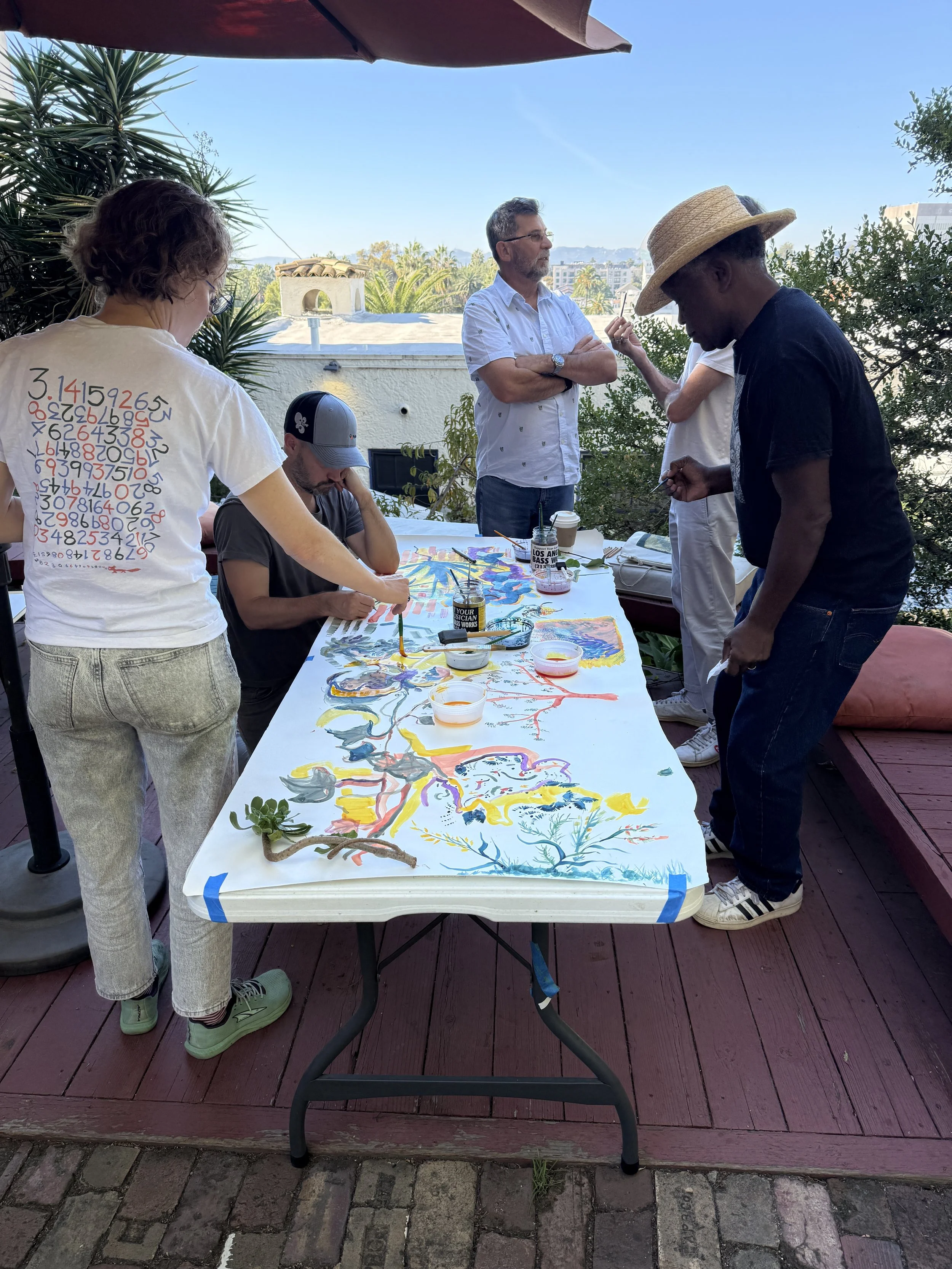
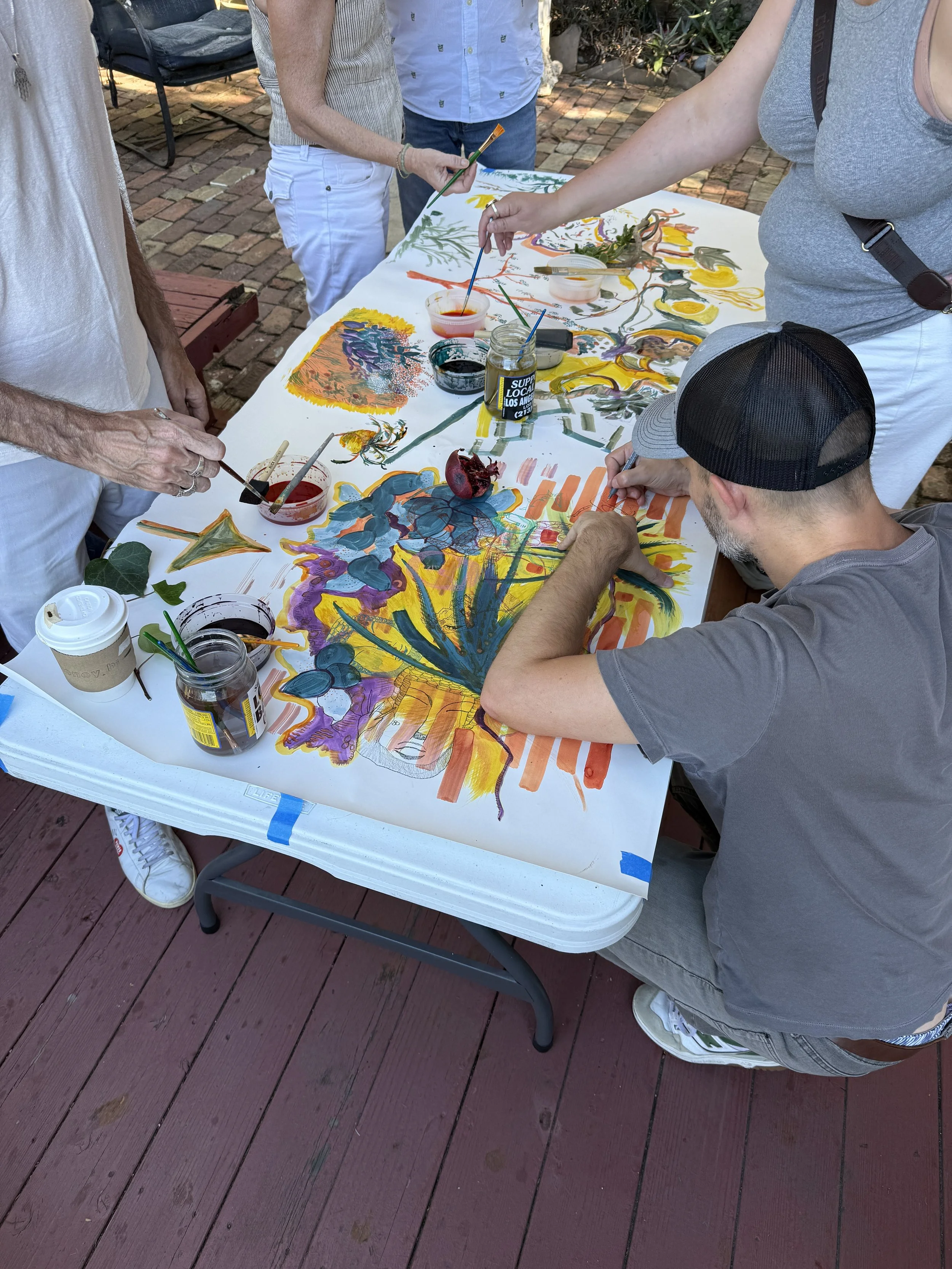
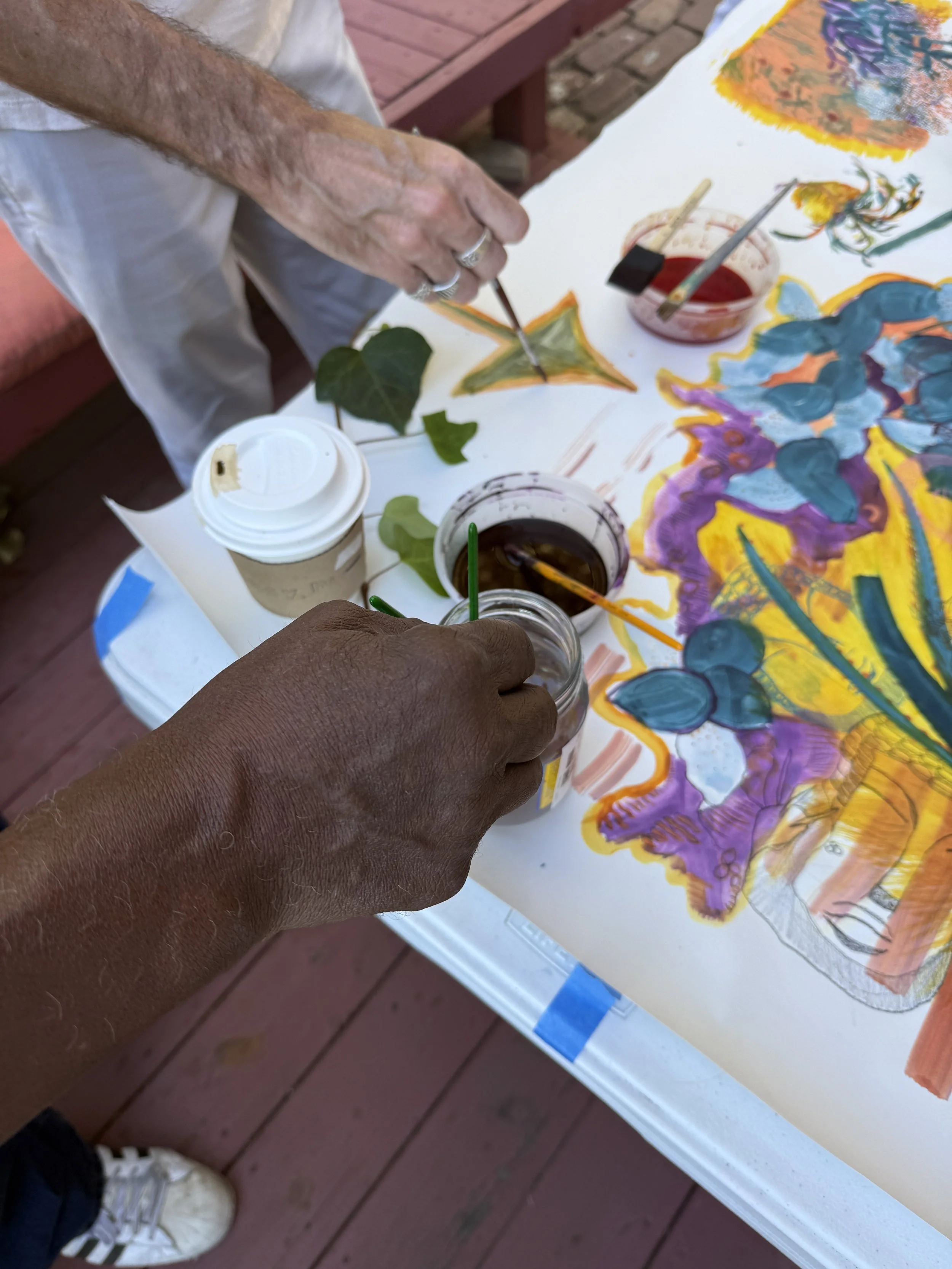
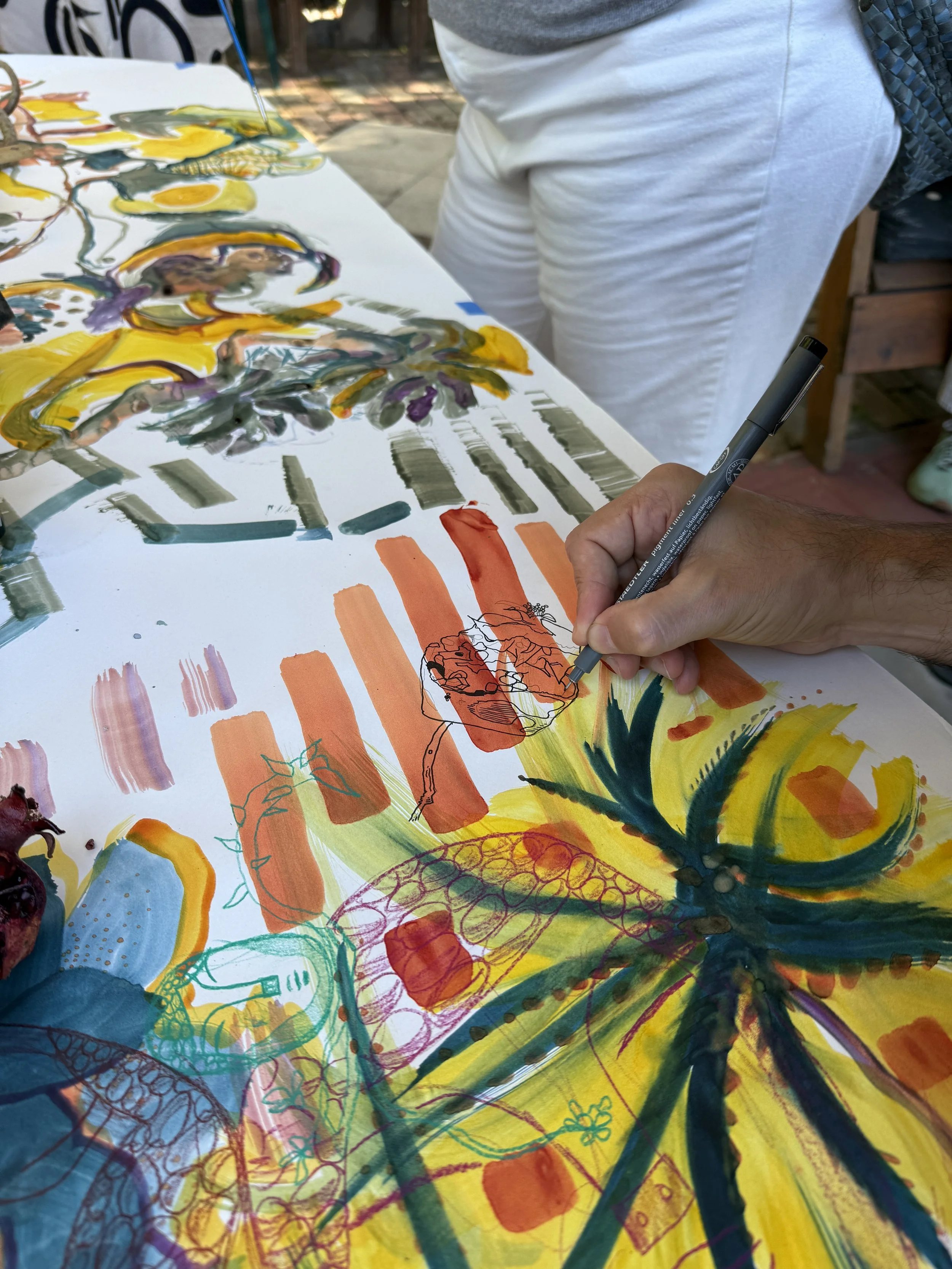
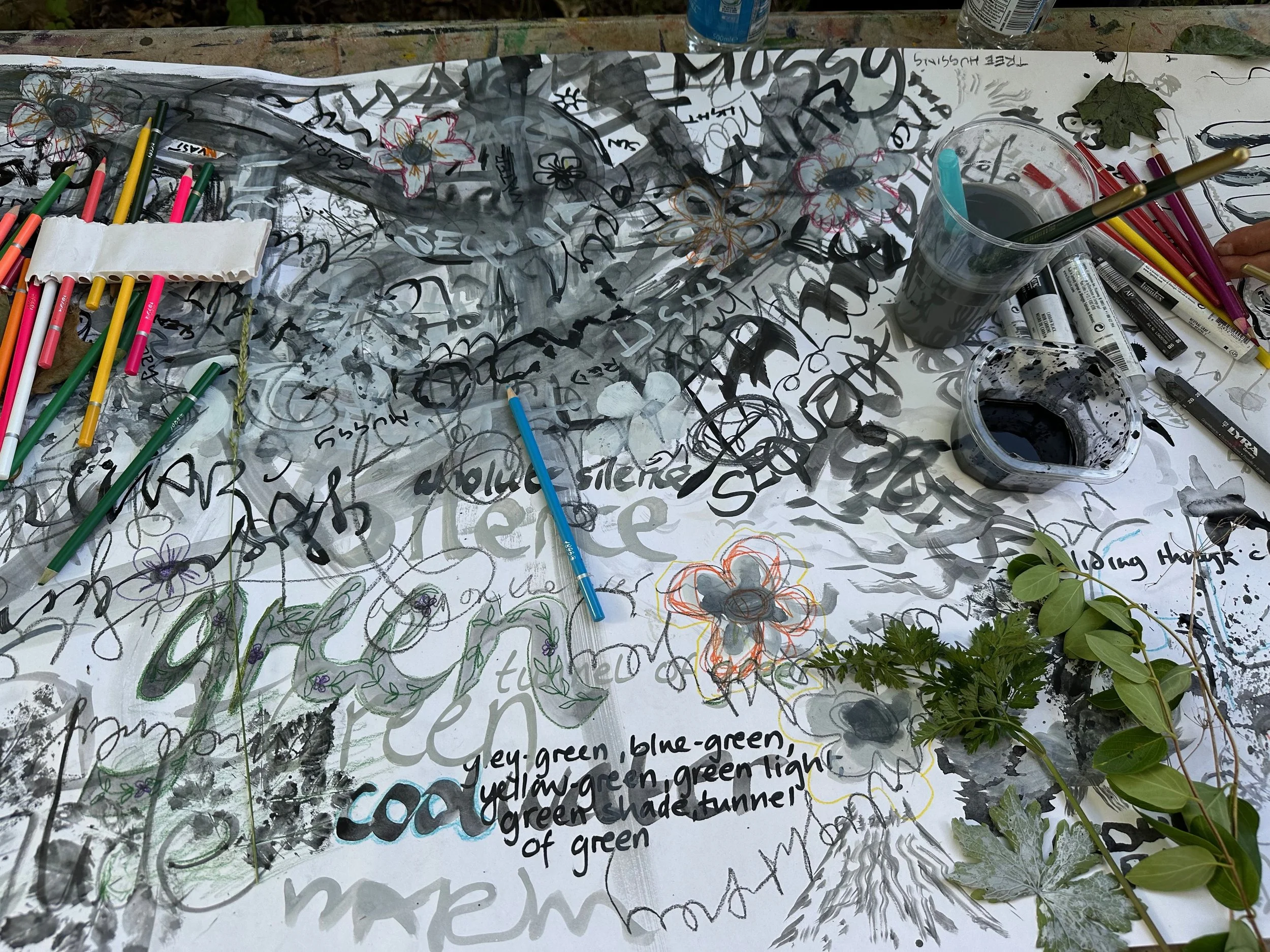
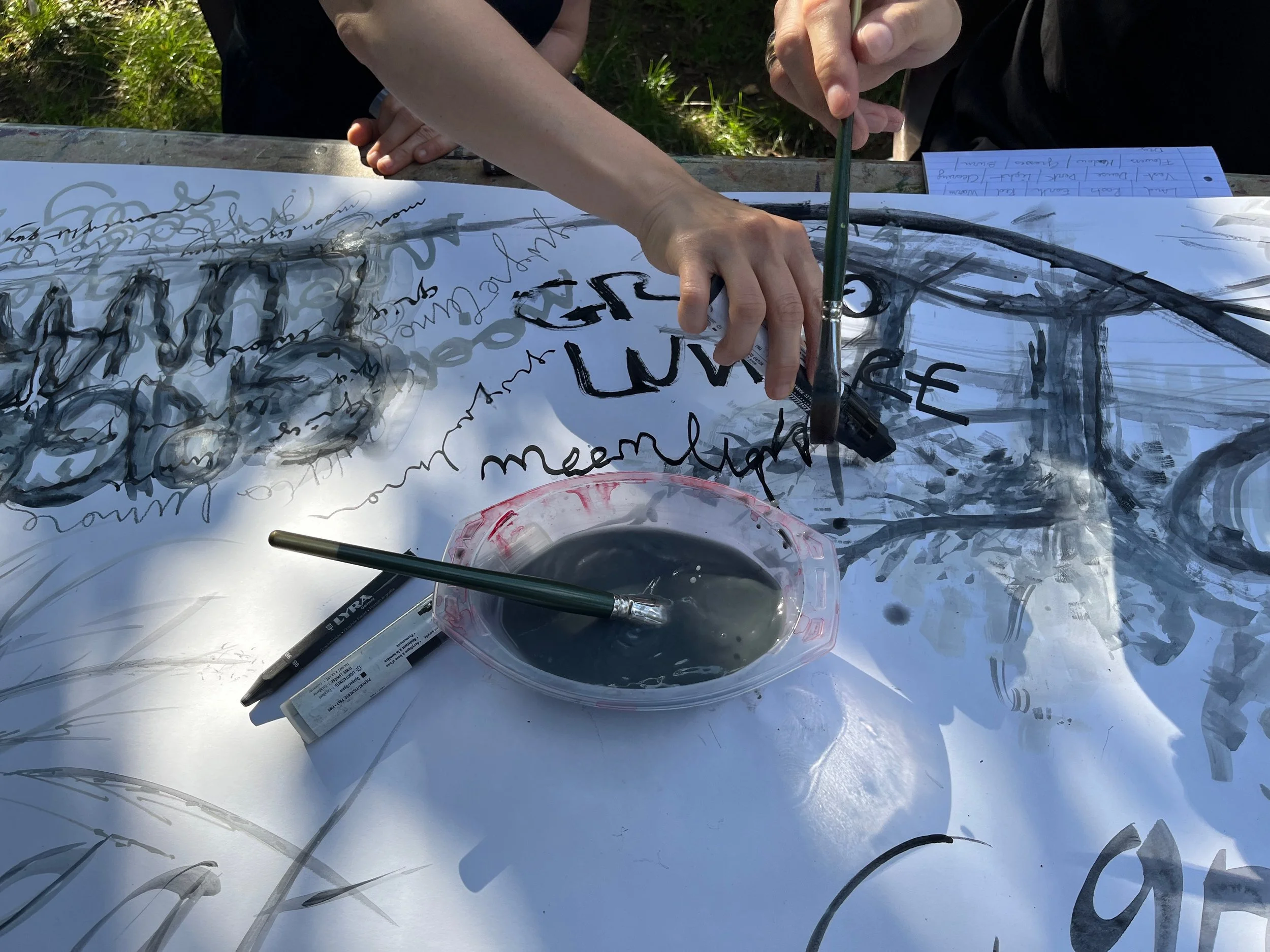
The Leaving Earth books are made collaboratively through community workshops where participants record their responses to nature, capturing textures and atmospheres that are being lost to climate change and overdevelopment.
As an eco-social project, the goal of The Leaving Earth Project is always to engage people with our beautiful planet. Hosted by museums, environmental collectives, and community art spaces, Leaving Earth workshops invite participants to engage with and respond to their environment, fostering a deeper connection with the natural world.

Quiet Activism Inspires Change
“Amanda truly inspired me to appreciate the patterns of shadows of plants, trees, flowers and all of the structures around us. She introduced me to a world I didn’t know existed – that which is ethereal and mystical … shadows” – Jay Renge, Leaving Earth workshop participant
The Leaving Earth Project is addressing habitat loss with a quiet activism. Quiet activism is a term used to describe grass-roots interventions that address the climate emergency at a local and personal level. At the heart of the Leaving Earth Project is my belief that quiet actions can shift perceptions, educate, and generate transformative change.
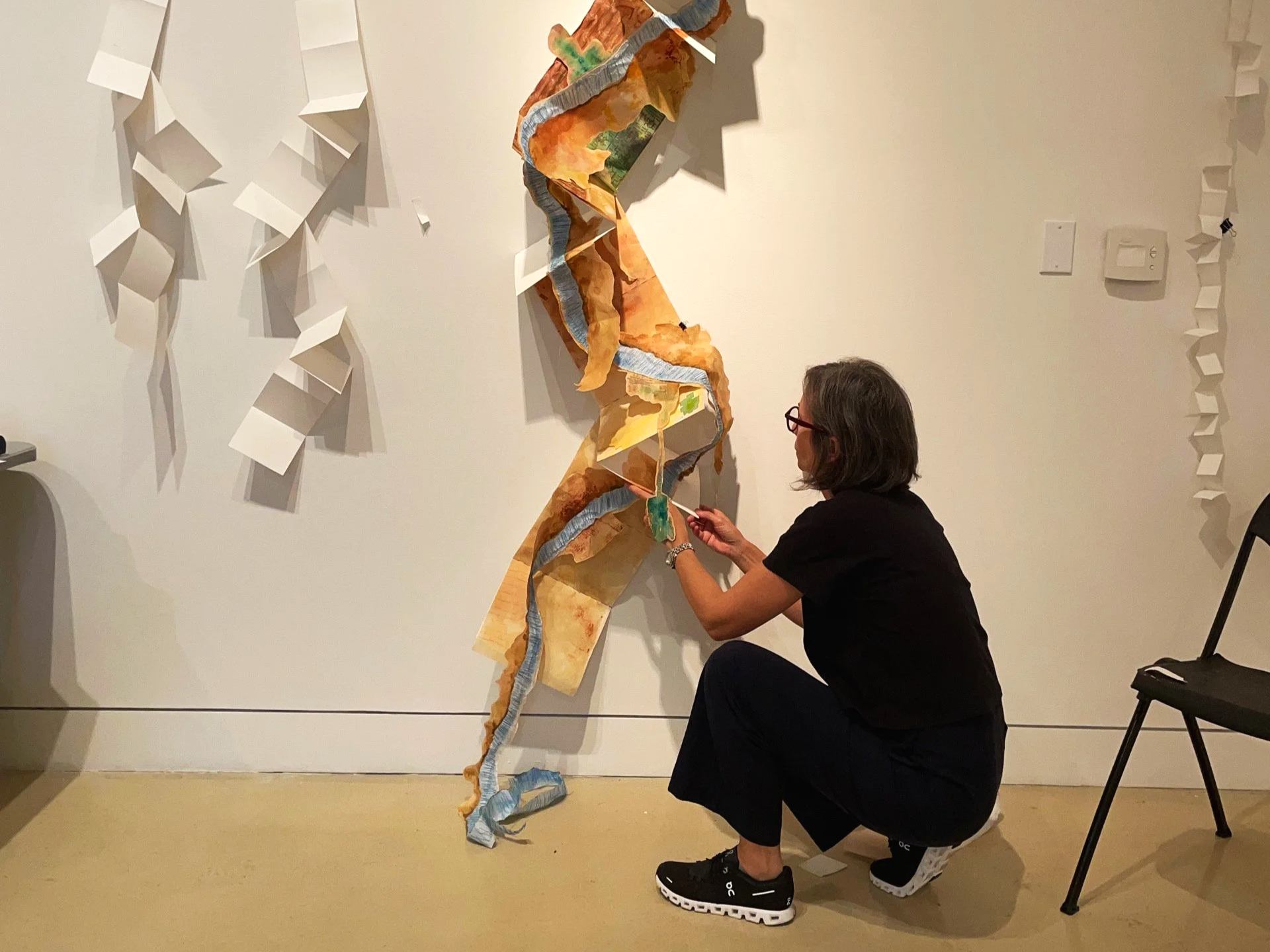
Completing a Leaving Earth Book
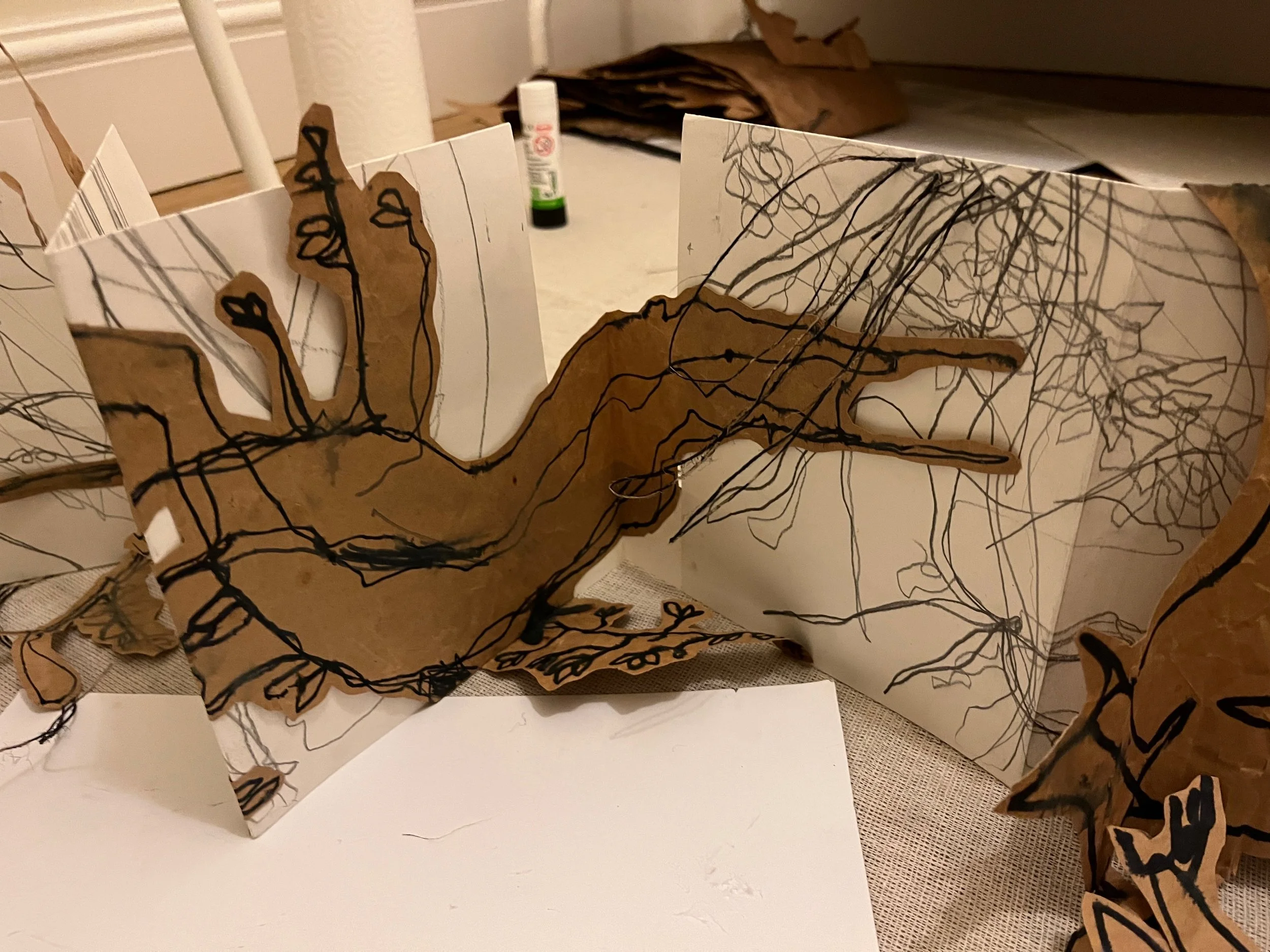
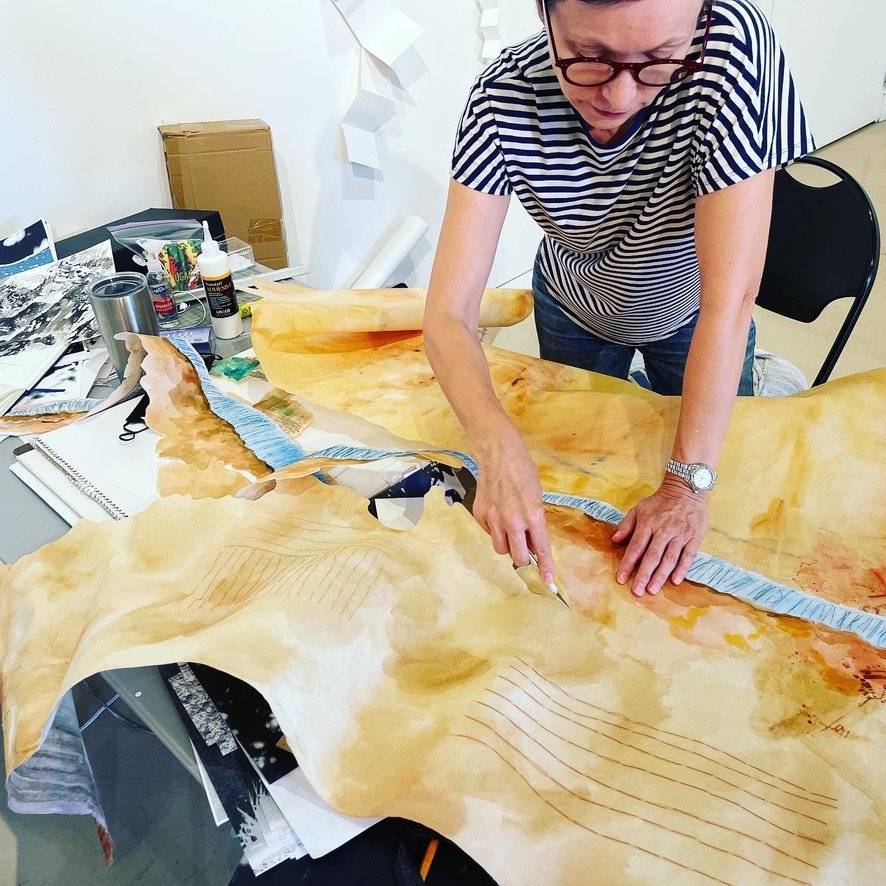
After the imagery is created in a public workshop, I go back to my studio and turn the collaborative drawings into sculptural books, trying to capture the mood of the specific location where they were made. Scroll down ⬇️ to see all the books in the project so far.




Six Books and a Museum Show
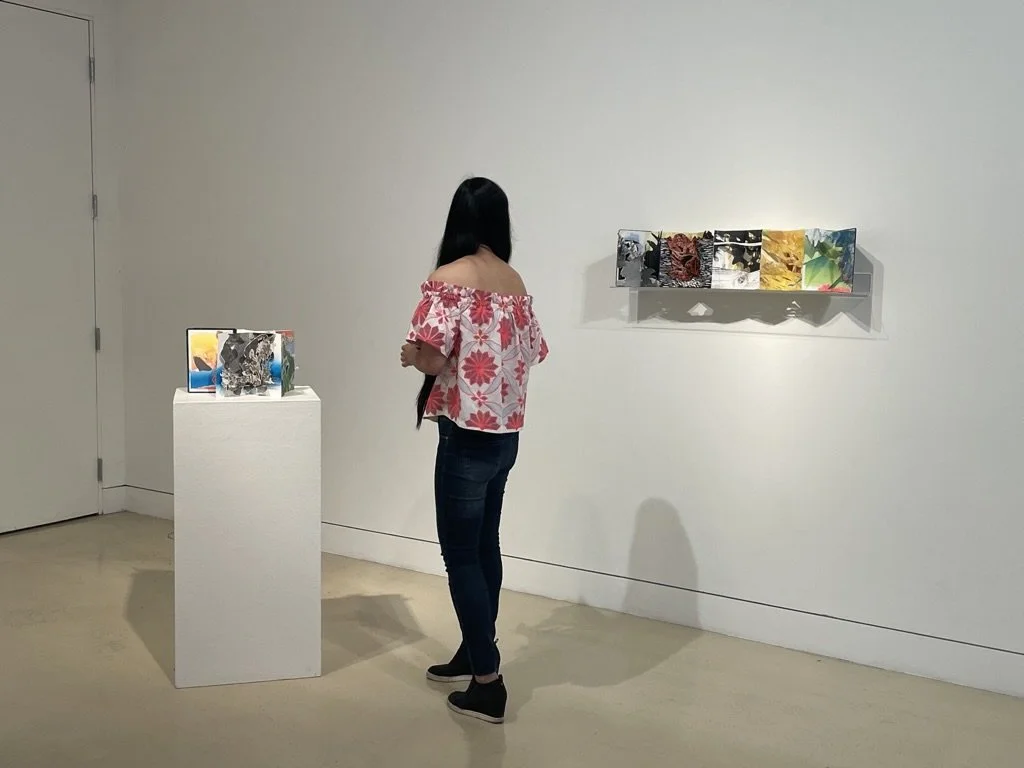
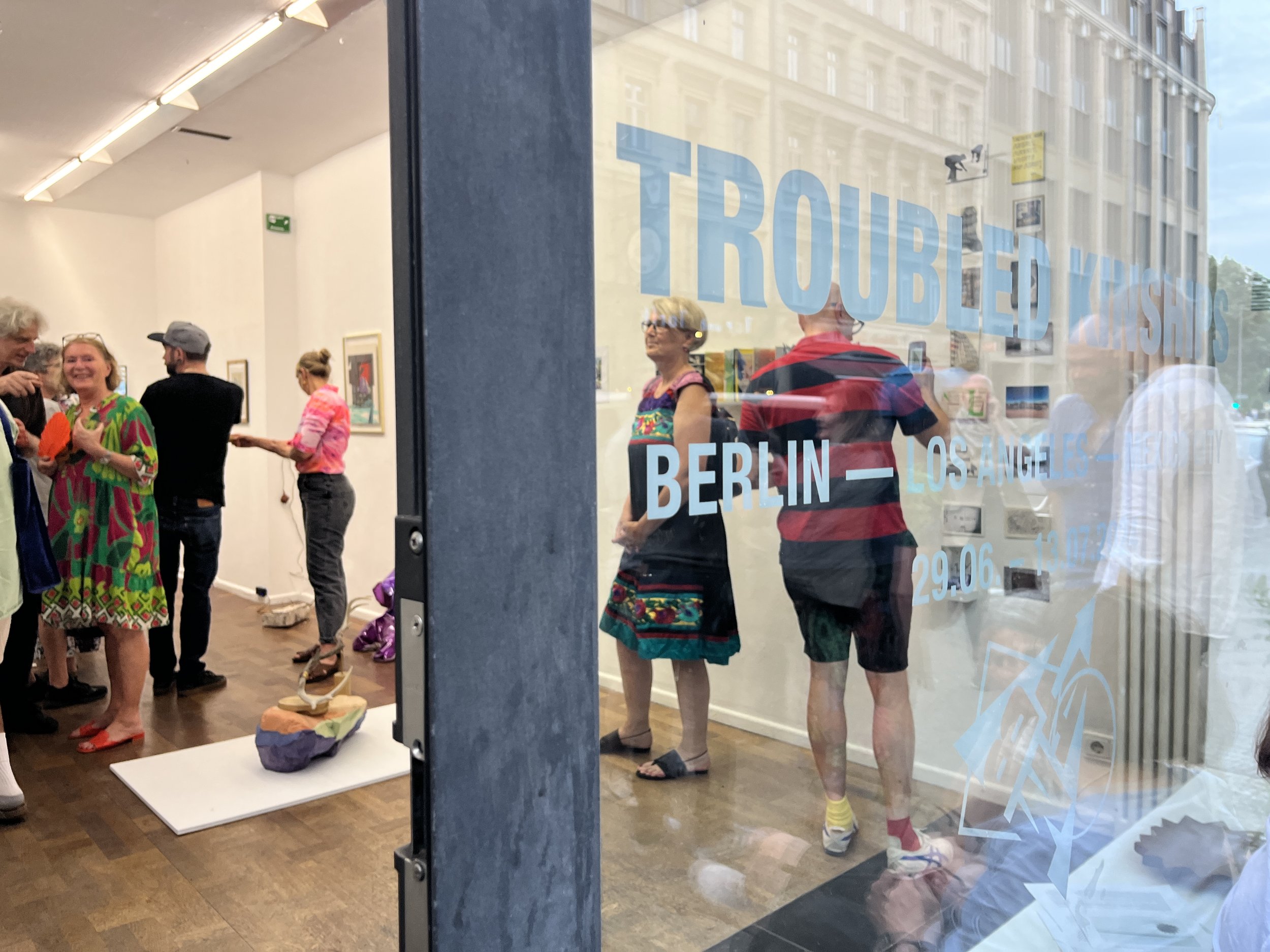
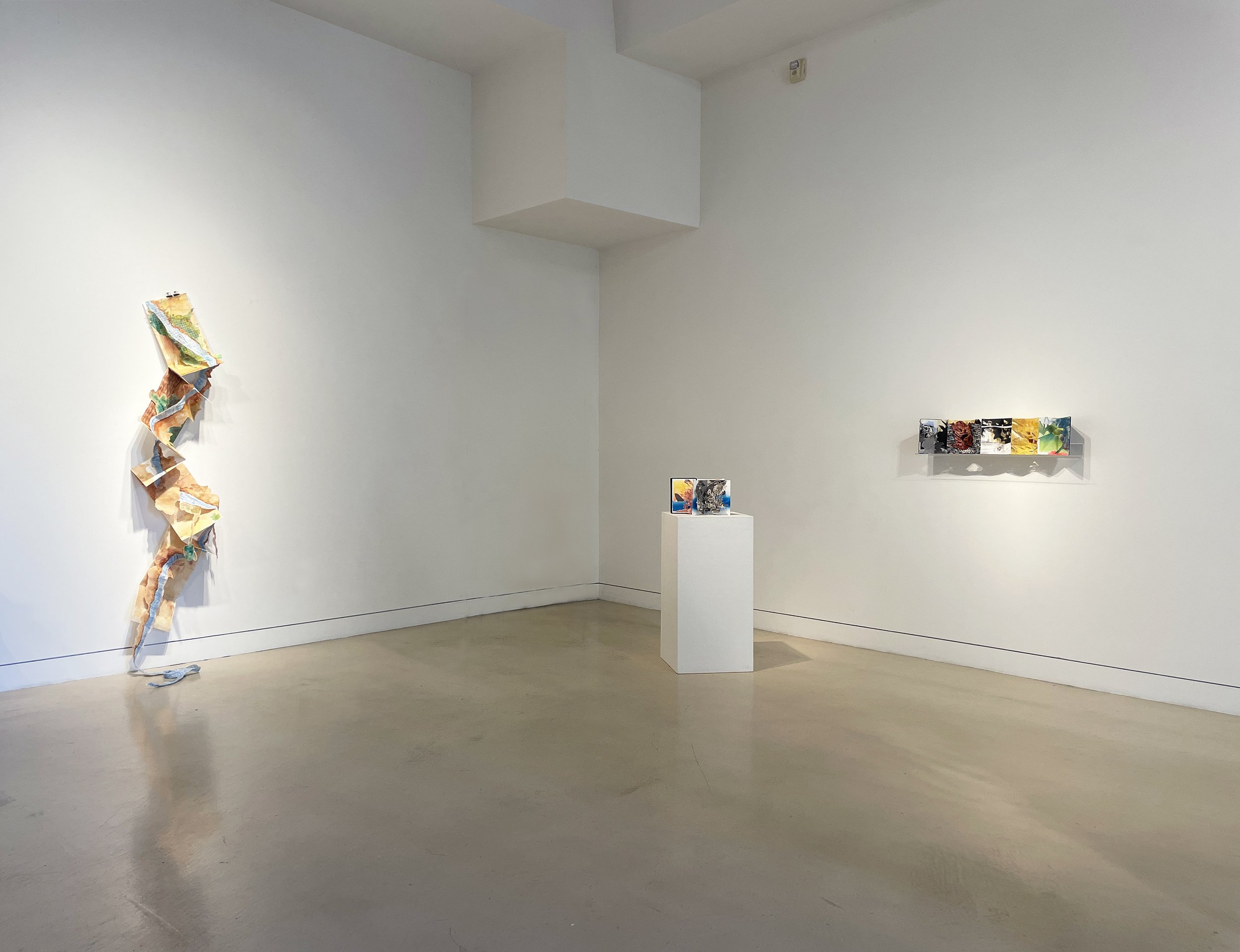
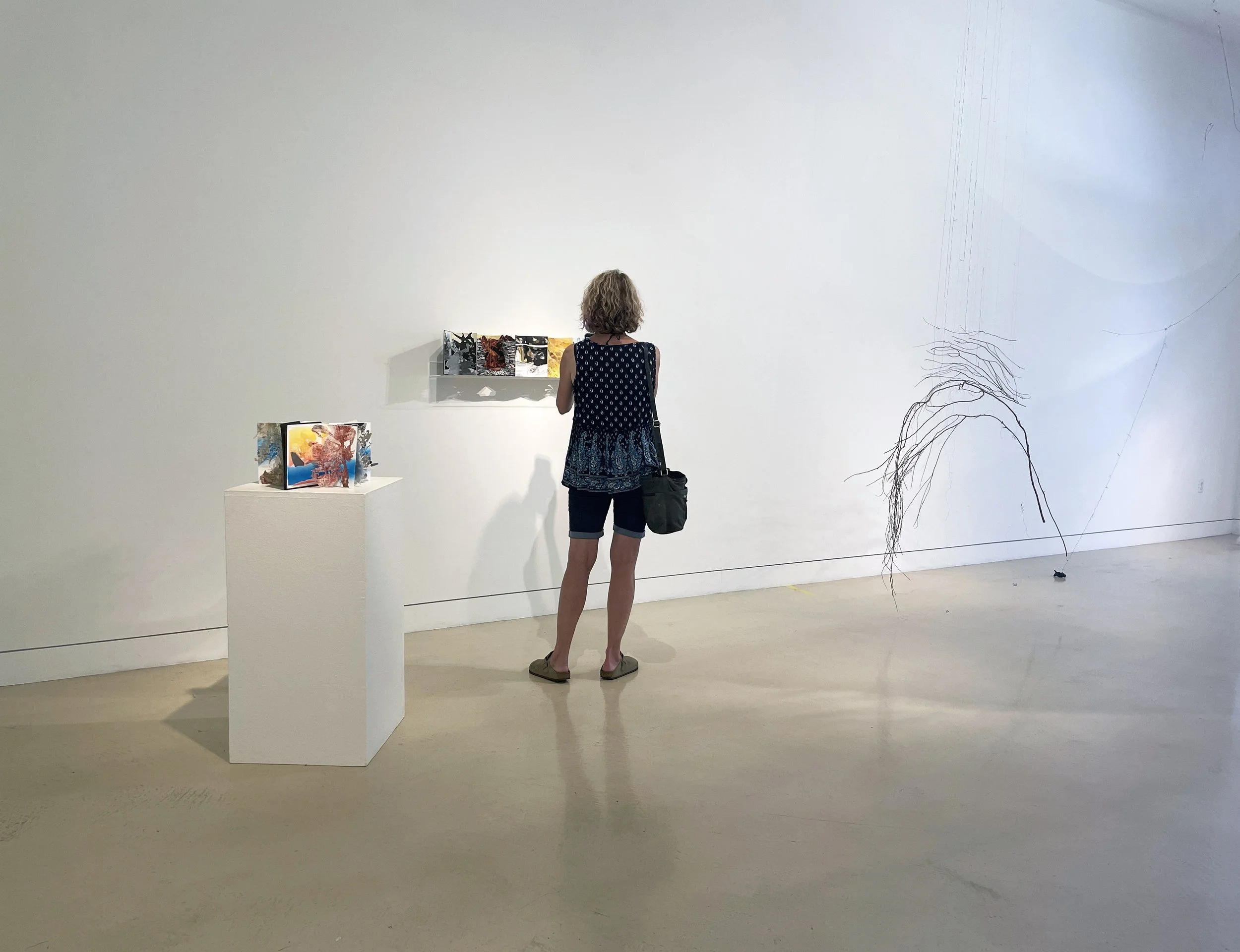
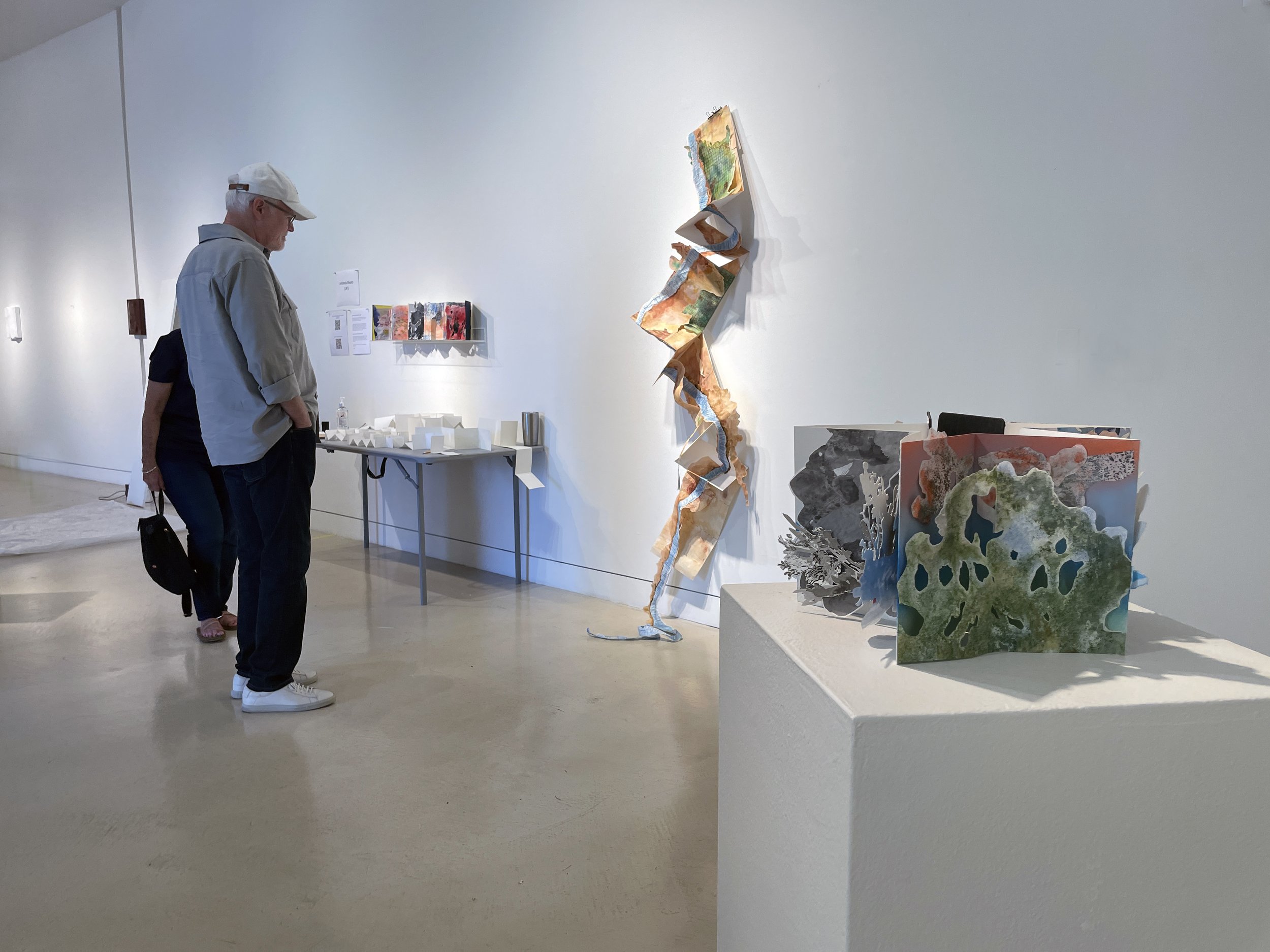
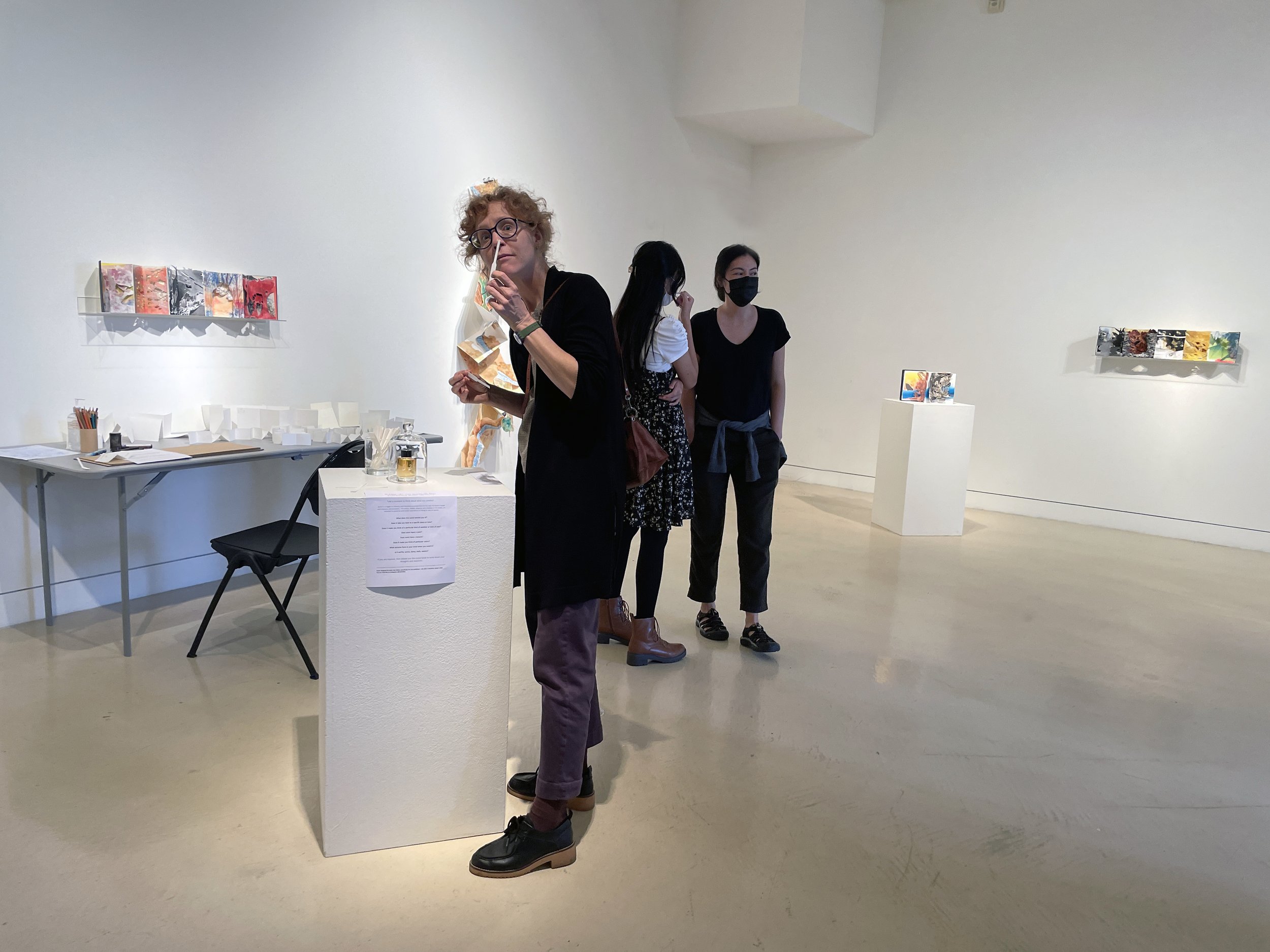
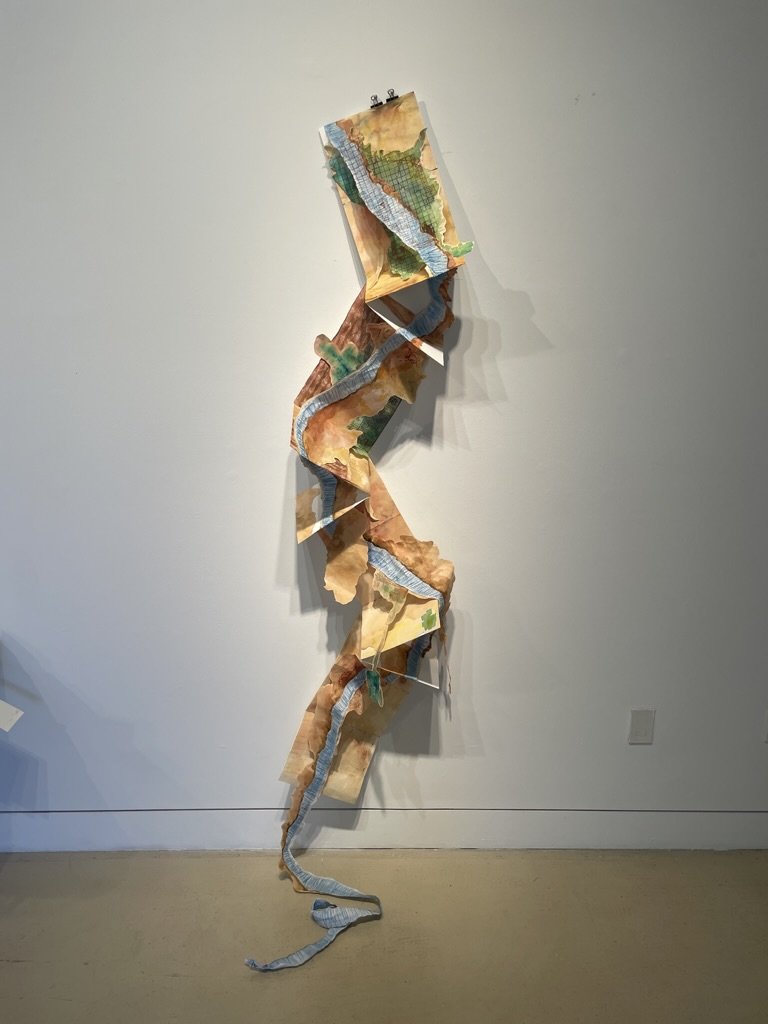
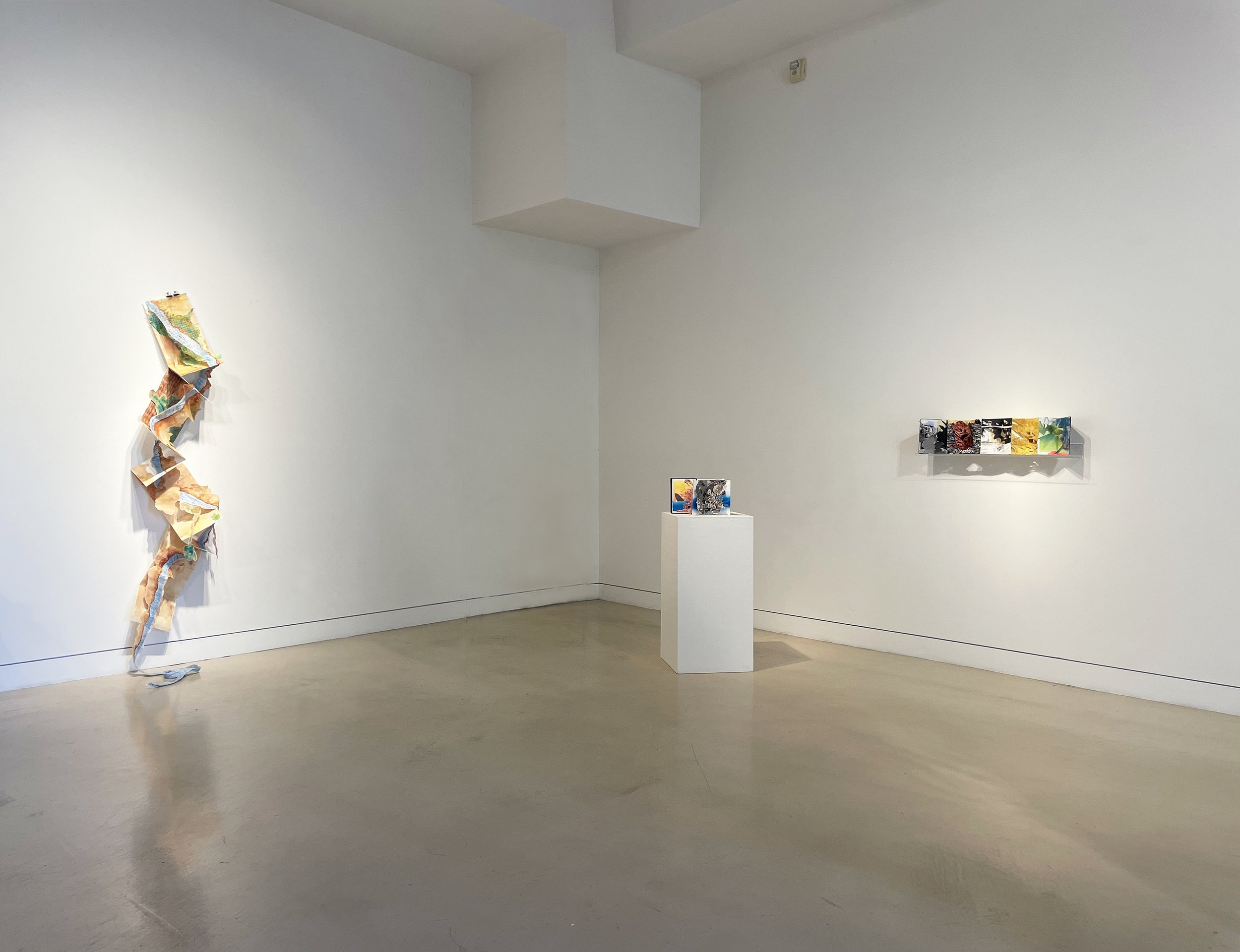
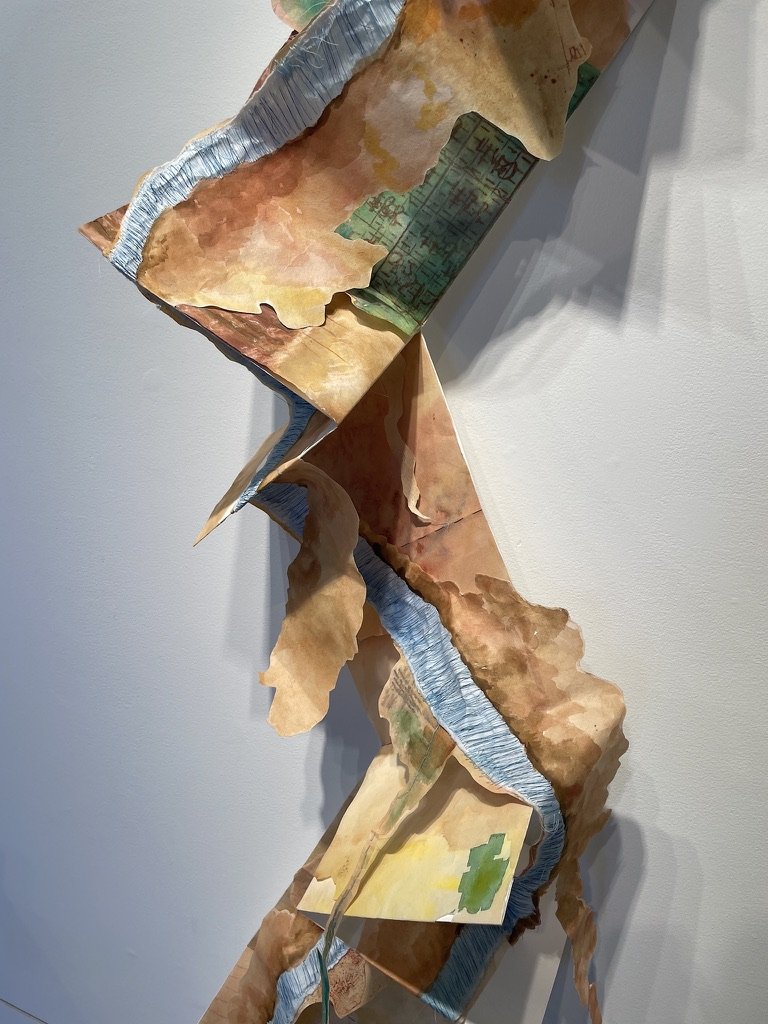
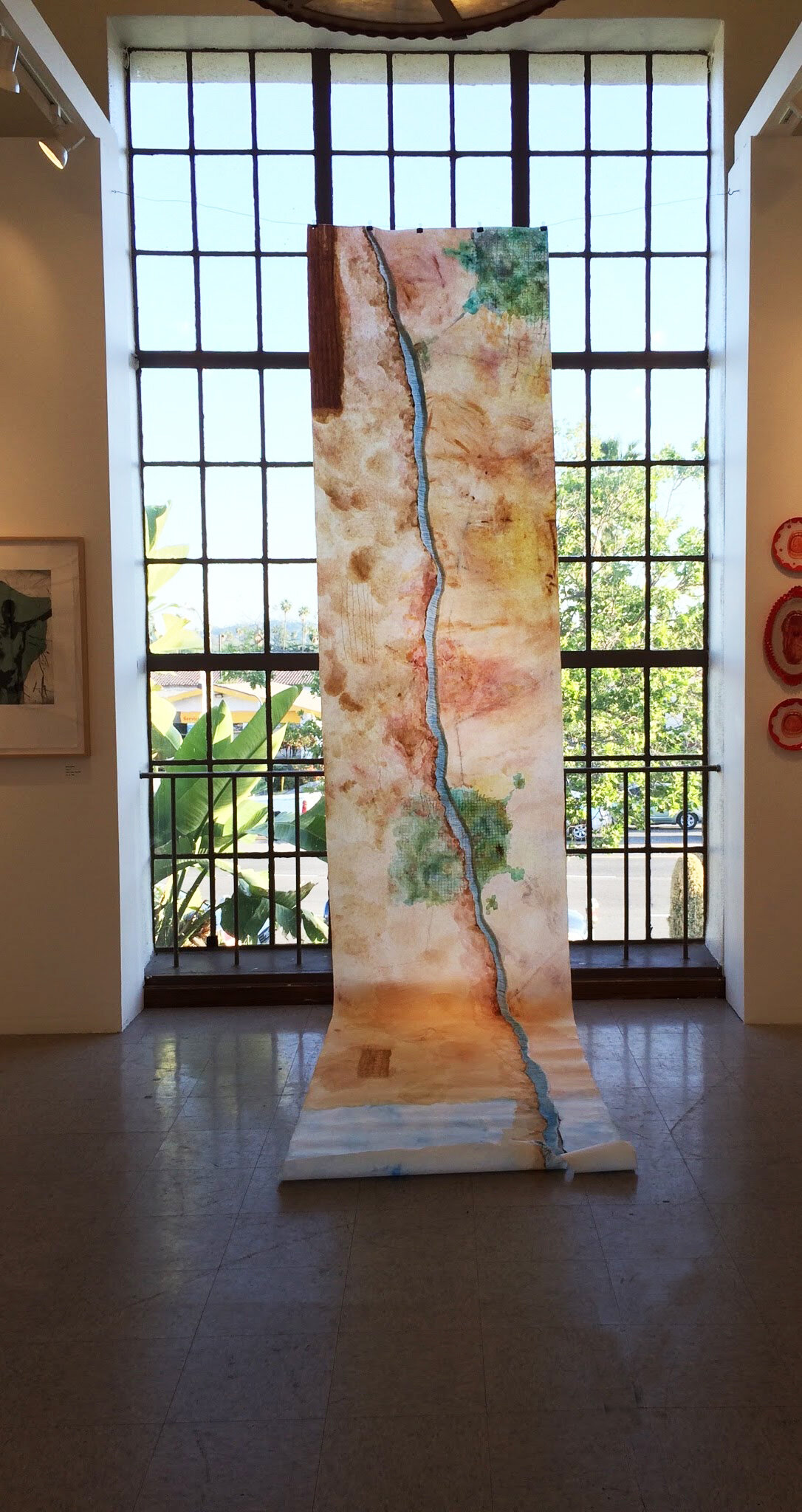
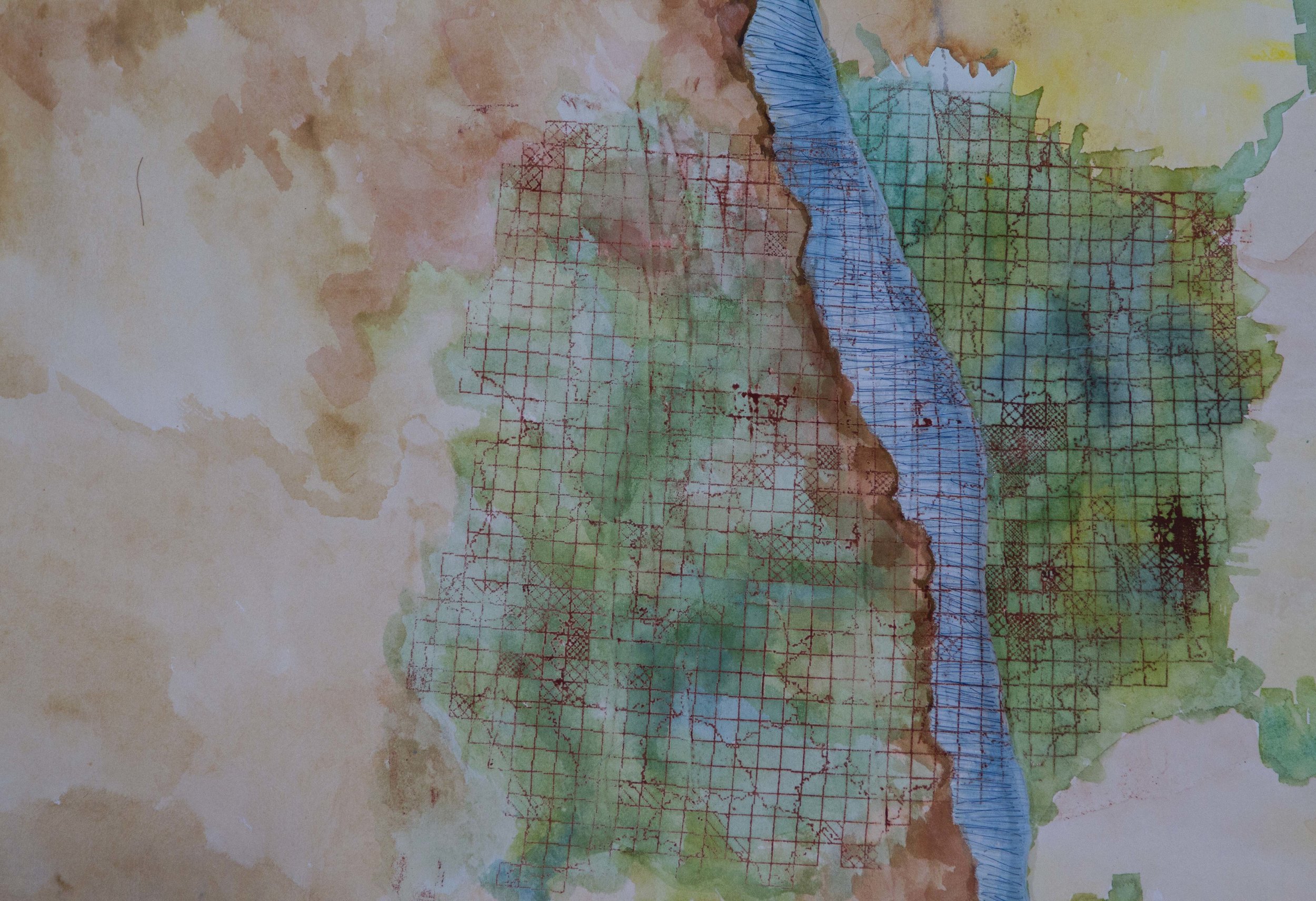
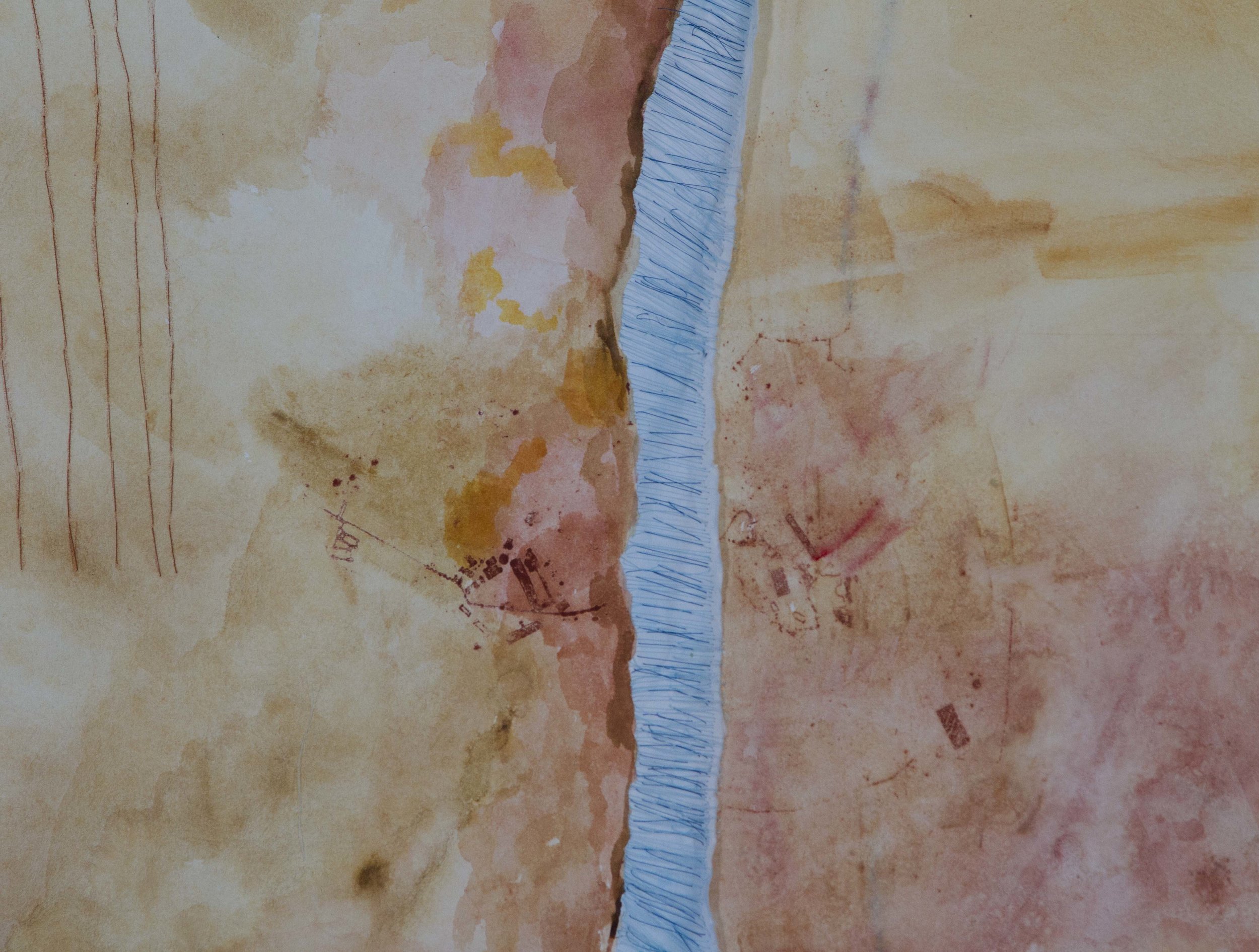
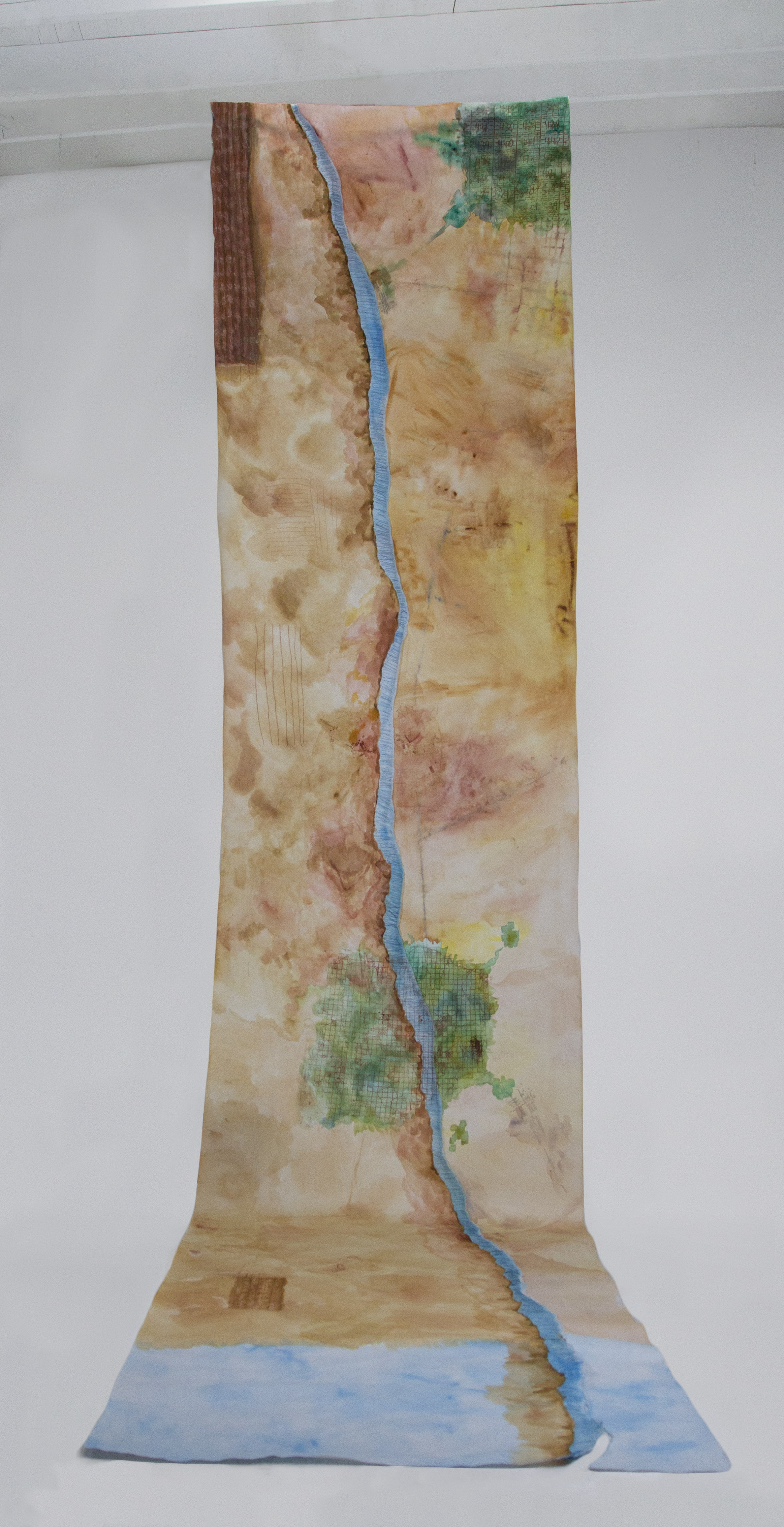
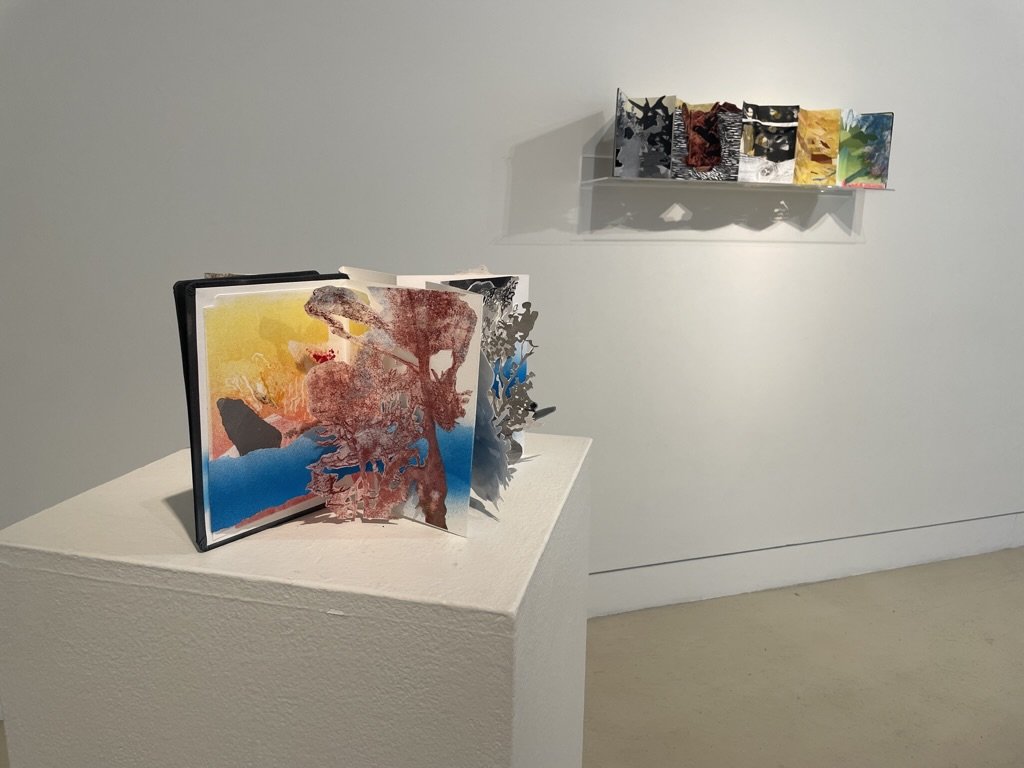
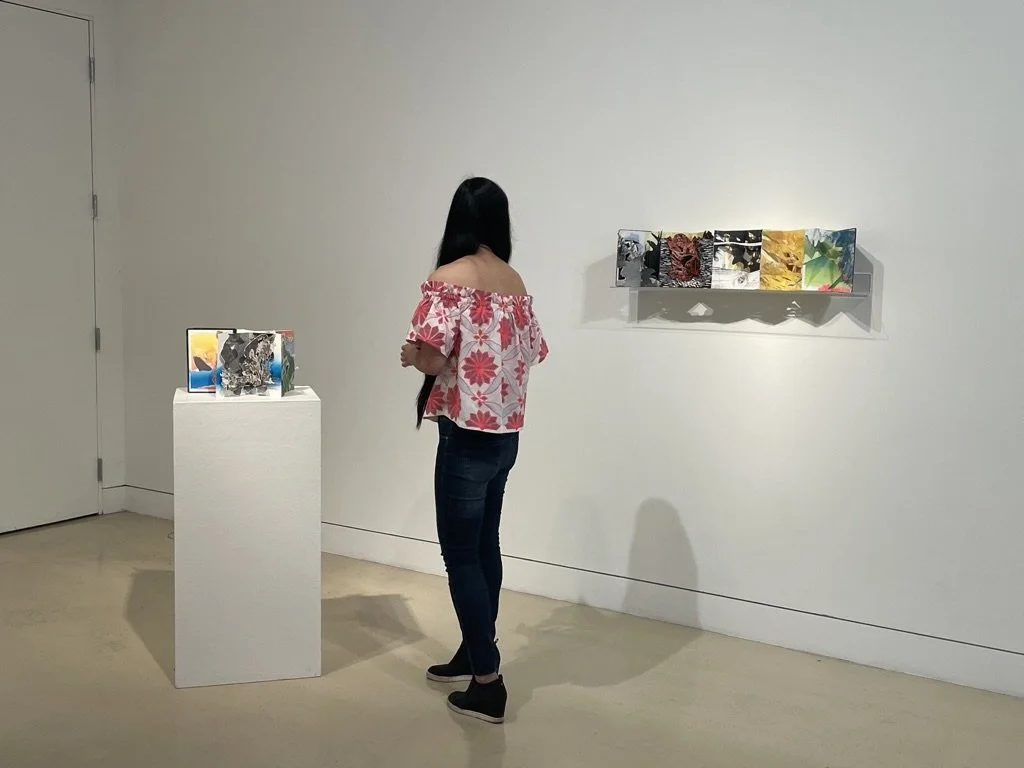
6 Leaving Earth books have been completed so far, supported by residencies and workshops at Cambridge Artworks, UK, 2023, The Fitzwilliam Museum, UK, and Torrance Art Museum, CA, 2022. Exhibited at Nomad Art Fair, LA, Torrance Art Museum, and Scotty, Berlin.









Leaving Earth Project Collaborators
I am proud to introduce my collaborators so far on the Leaving Earth Project.
All these institutions, individuals, and community groups have supported Leaving Earth by providing material or financial support, spaces for workshops, and collaborative opportunities. Some Artist Collaborators have also worked independently with their own communities to create artwork for the book. Please reach out to me via email if you are interested in becoming a collaborator.
Laura Fox - Maria Di Gaetano - Alia Malley - Latitude For Art Residency -Emanuela Cusin - Nicole Portieri - Cambridge Artworks - Lois Mears - Kelvin Duckett - Sarah Hill - Barney Hill - Torrance Art Museum - Janet Morris - Dietra Charles - Veronique Chance - Sarah Cate Blake - The Fitzwilliam Museum - Latitude For Art Residency - Mathilde Bittner - Lauren Lexton - Sarah Granett - Kevin McCarthy - Martin Cox - Kristine Shoemaker - Arezoo Bharthania - Eduardo Aispuro - Merdyce Maclaran - Dimitra Skandali - Marcus Masaki - Mark Kelly - Lisi Buongiorno - Emily Pallin - Christine Nakashima - Mathilde Bittner - Kevin McCarthy - Lauren -
Laura Fox - Maria Di Gaetano - Alia Malley - Latitude For Art Residency -Emanuela Cusin - Nicole Portieri - Cambridge Artworks - Lois Mears - Kelvin Duckett - Sarah Hill - Barney Hill - Torrance Art Museum - Janet Morris - Dietra Charles - Veronique Chance - Sarah Cate Blake - The Fitzwilliam Museum - Latitude For Art Residency - Mathilde Bittner - Lauren Lexton - Sarah Granett - Kevin McCarthy - Martin Cox - Kristine Shoemaker - Arezoo Bharthania - Eduardo Aispuro - Merdyce Maclaran - Dimitra Skandali - Marcus Masaki - Mark Kelly - Lisi Buongiorno - Emily Pallin - Christine Nakashima - Mathilde Bittner - Kevin McCarthy - Lauren -
Latitude For Art
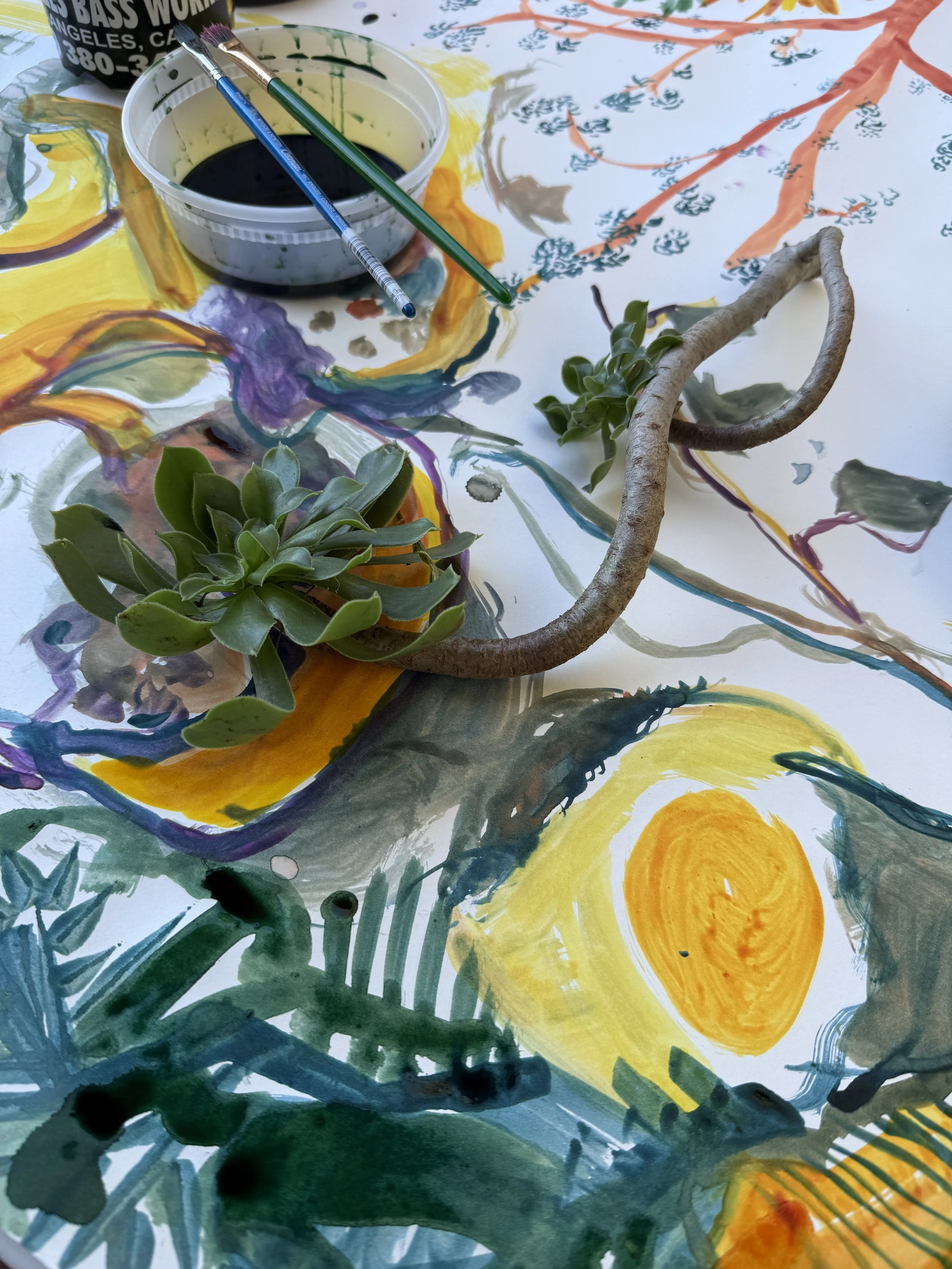
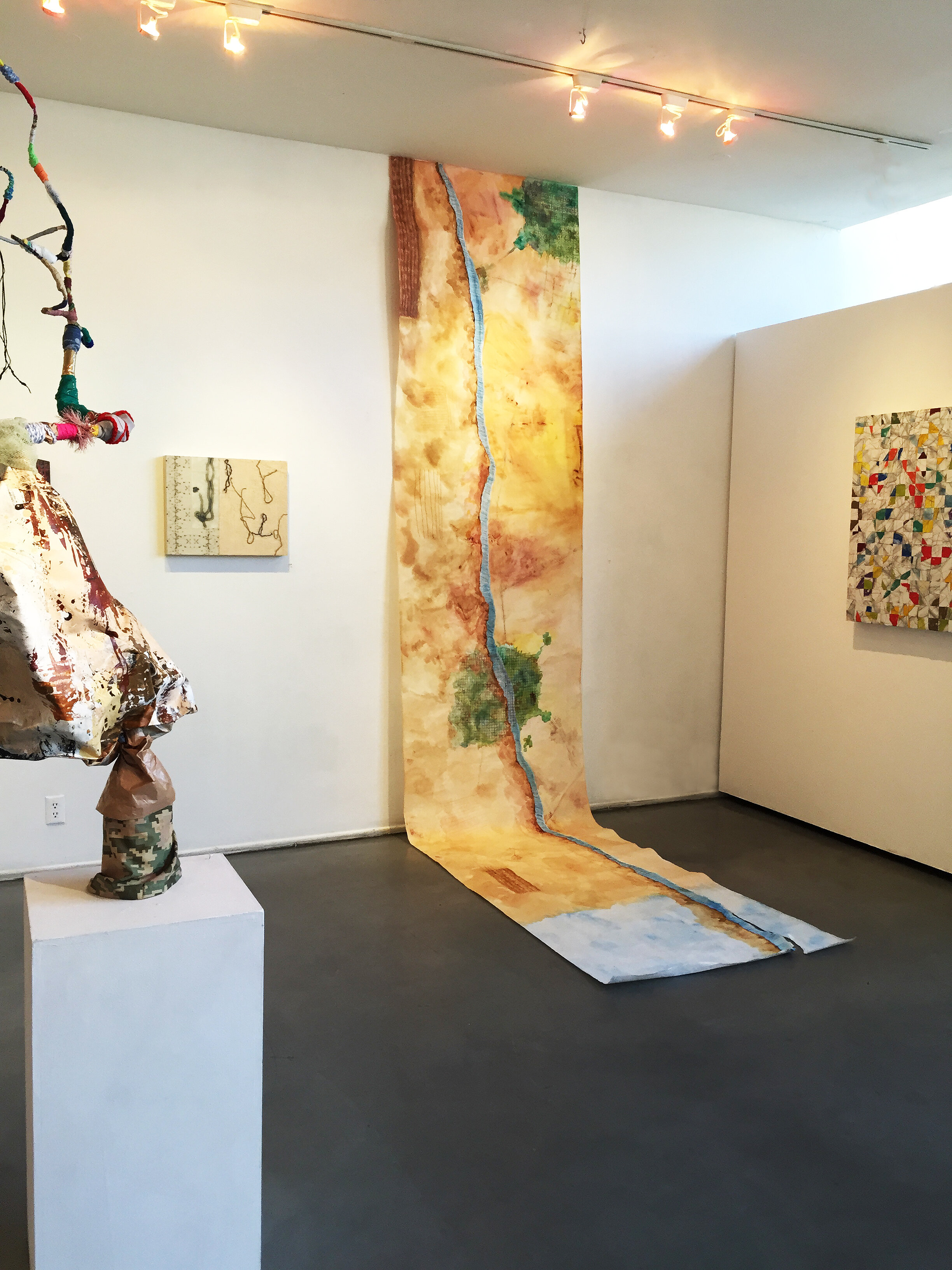
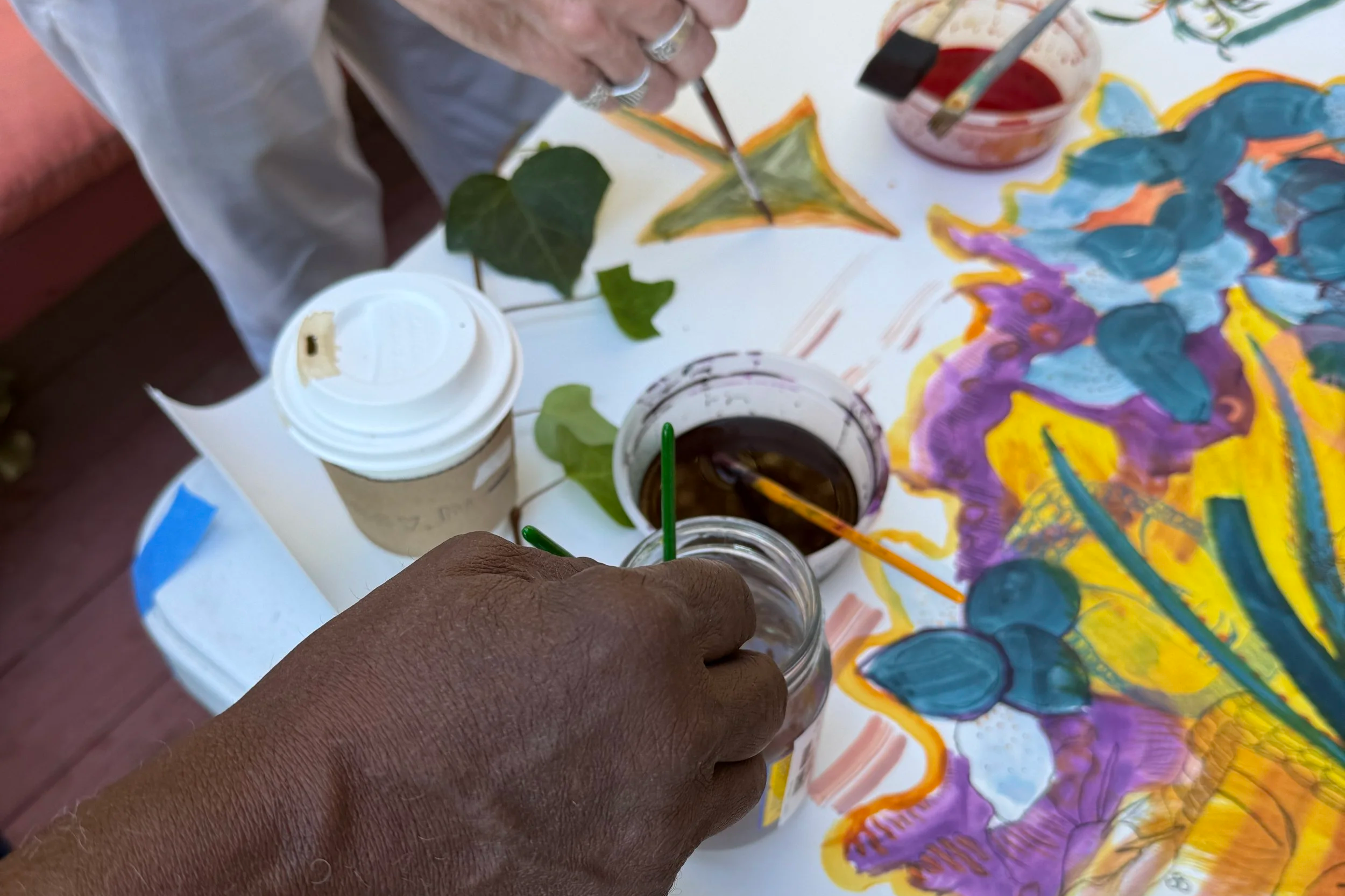
A collaborative painting day in the Echo Park garden of Latitude for Art – an artist residency and non-profit rooted in community and connection. Visitors filled the paper with images inspired by the shapes and colors of the garden around us.
Cambridge Artworks
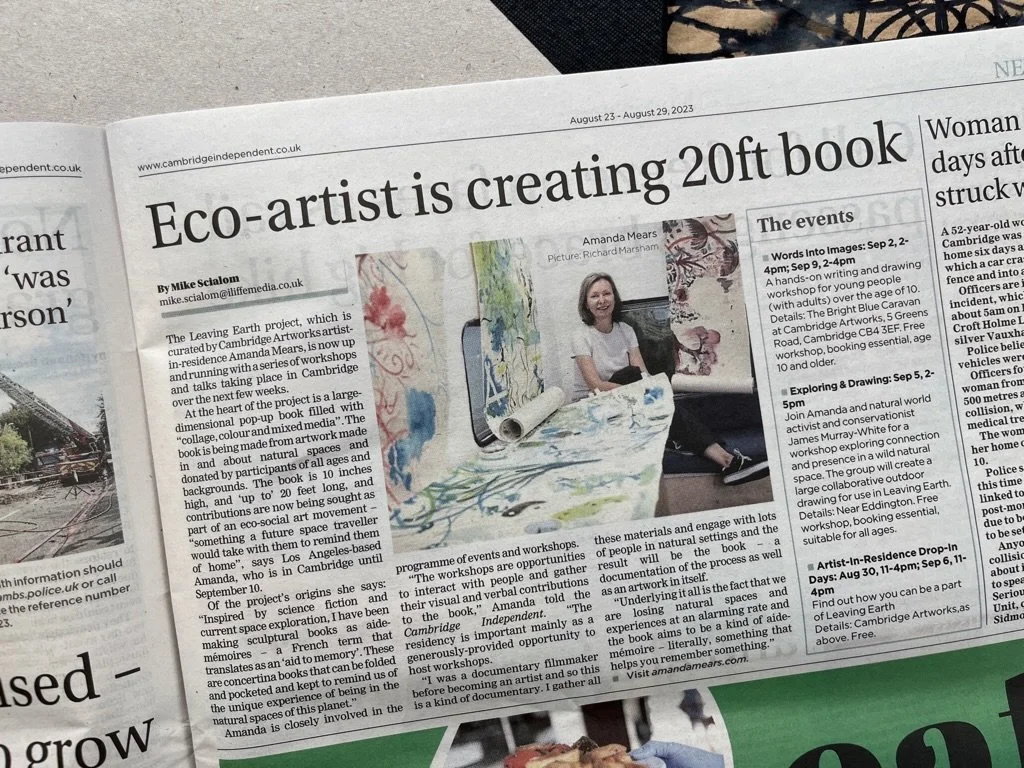
Cambridge Artworks is an artist-run cooperative in Cambridge, England. During my time as artist-in-residence, I was able to offer several public workshops in their garden and on various sites of ecological interest nearby.

Alia Malley
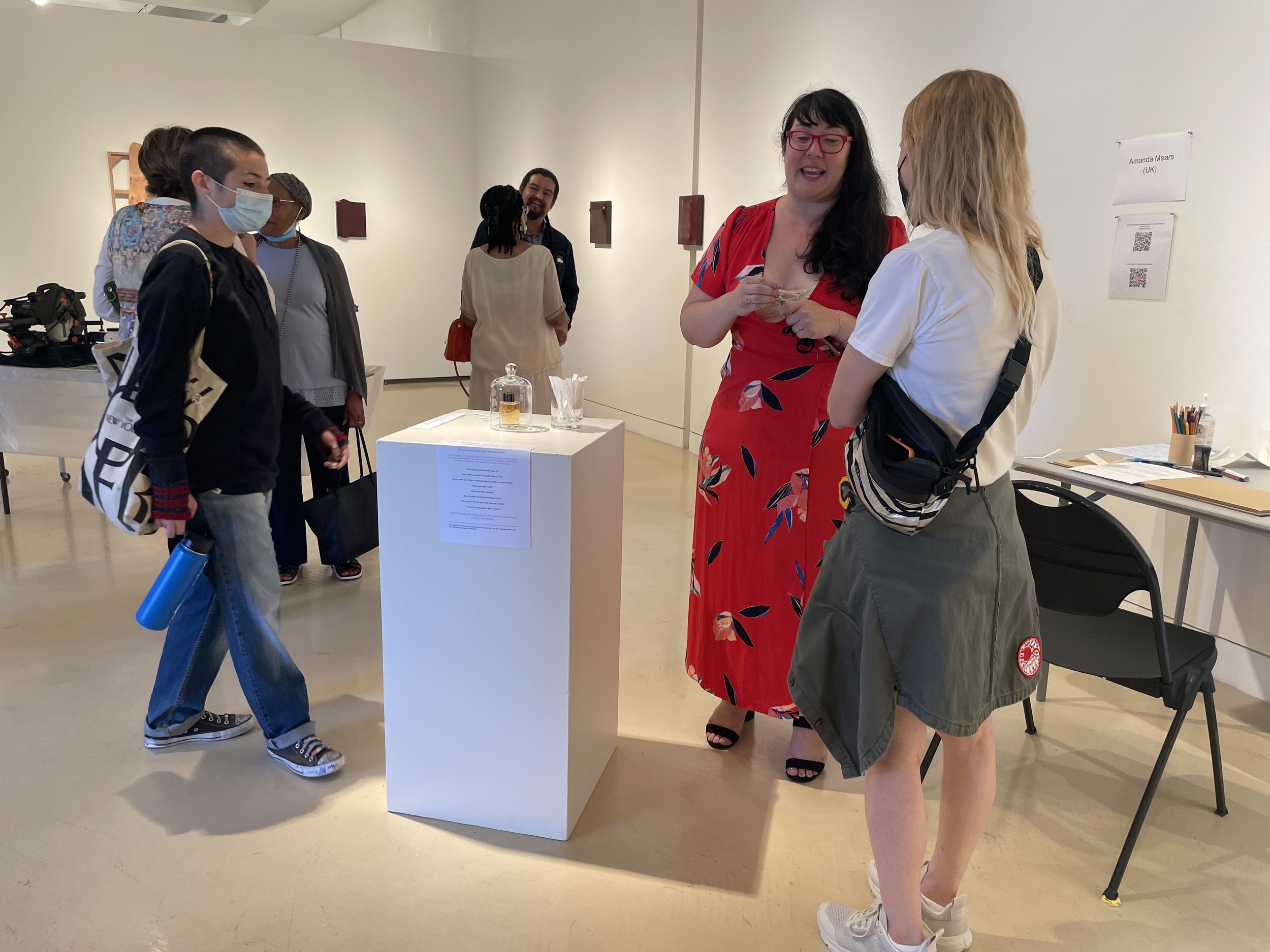
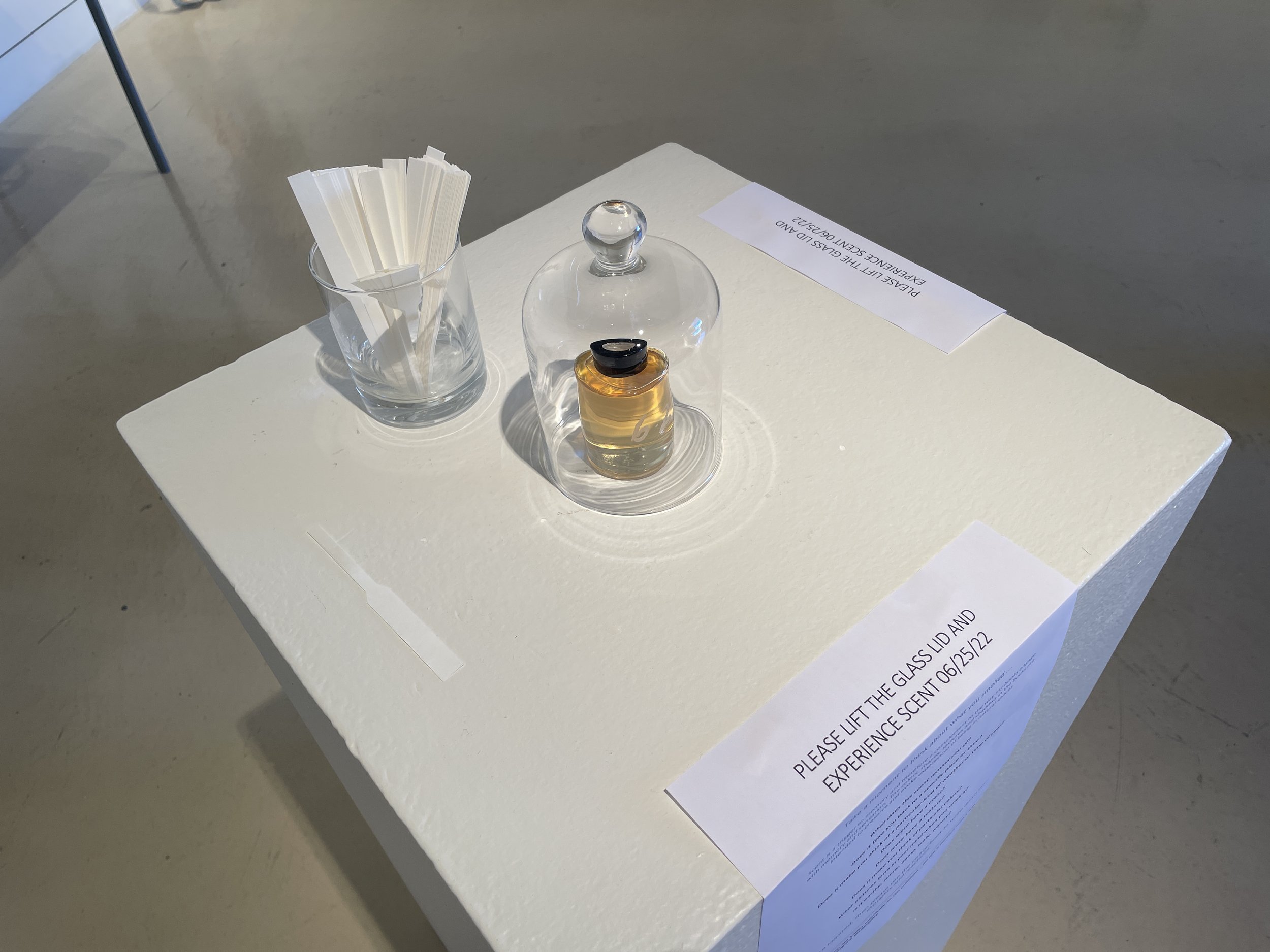
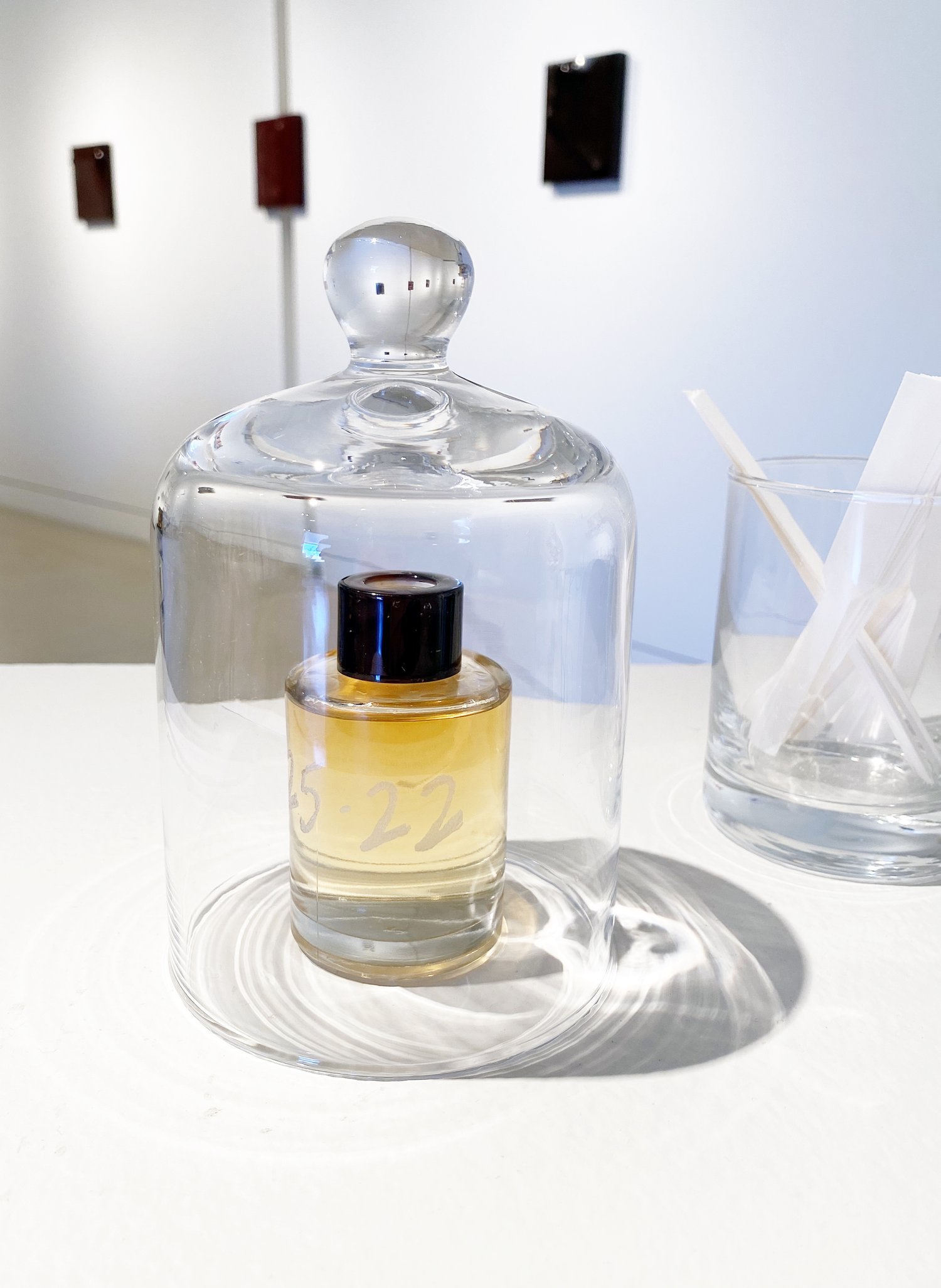
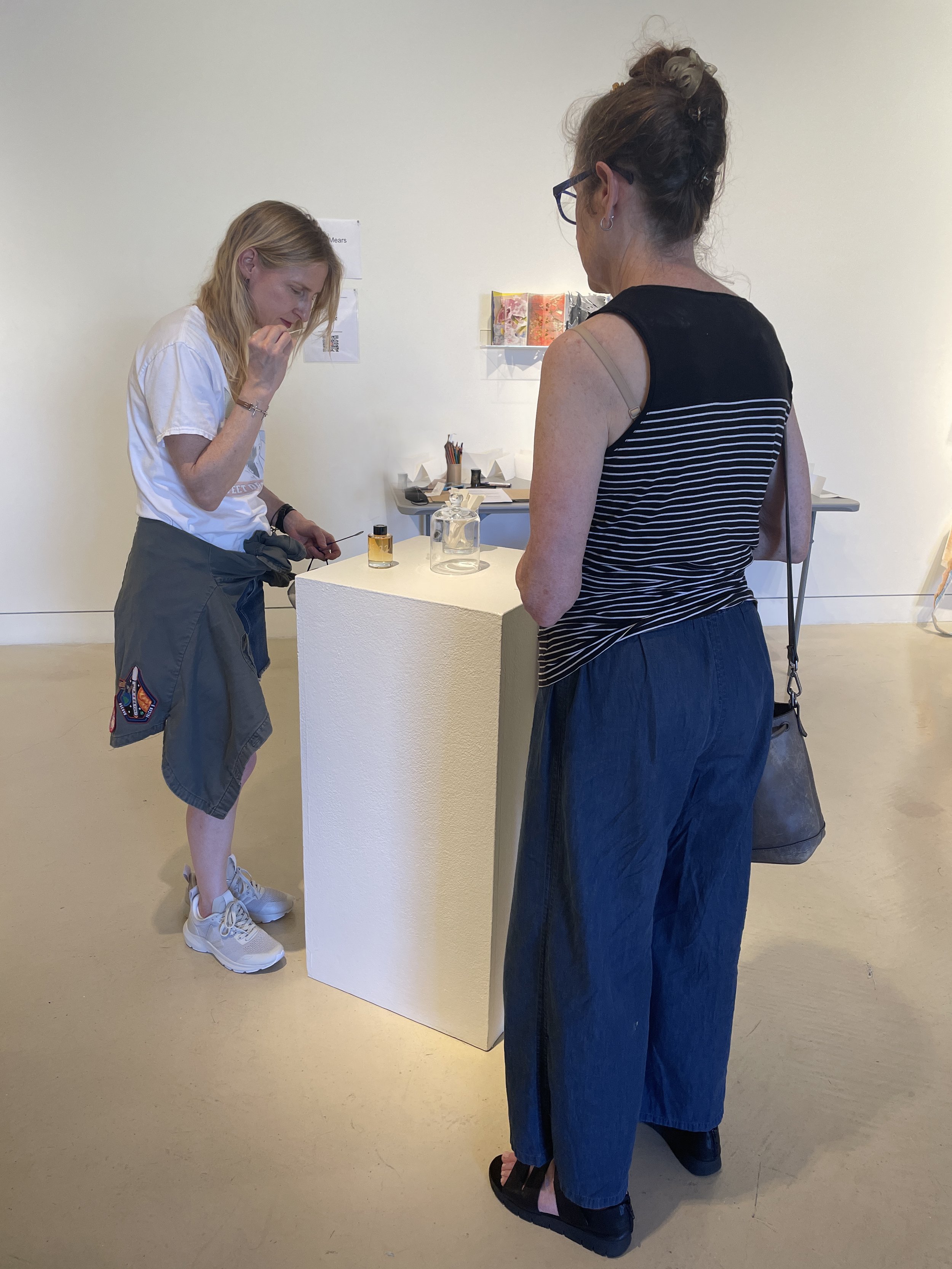
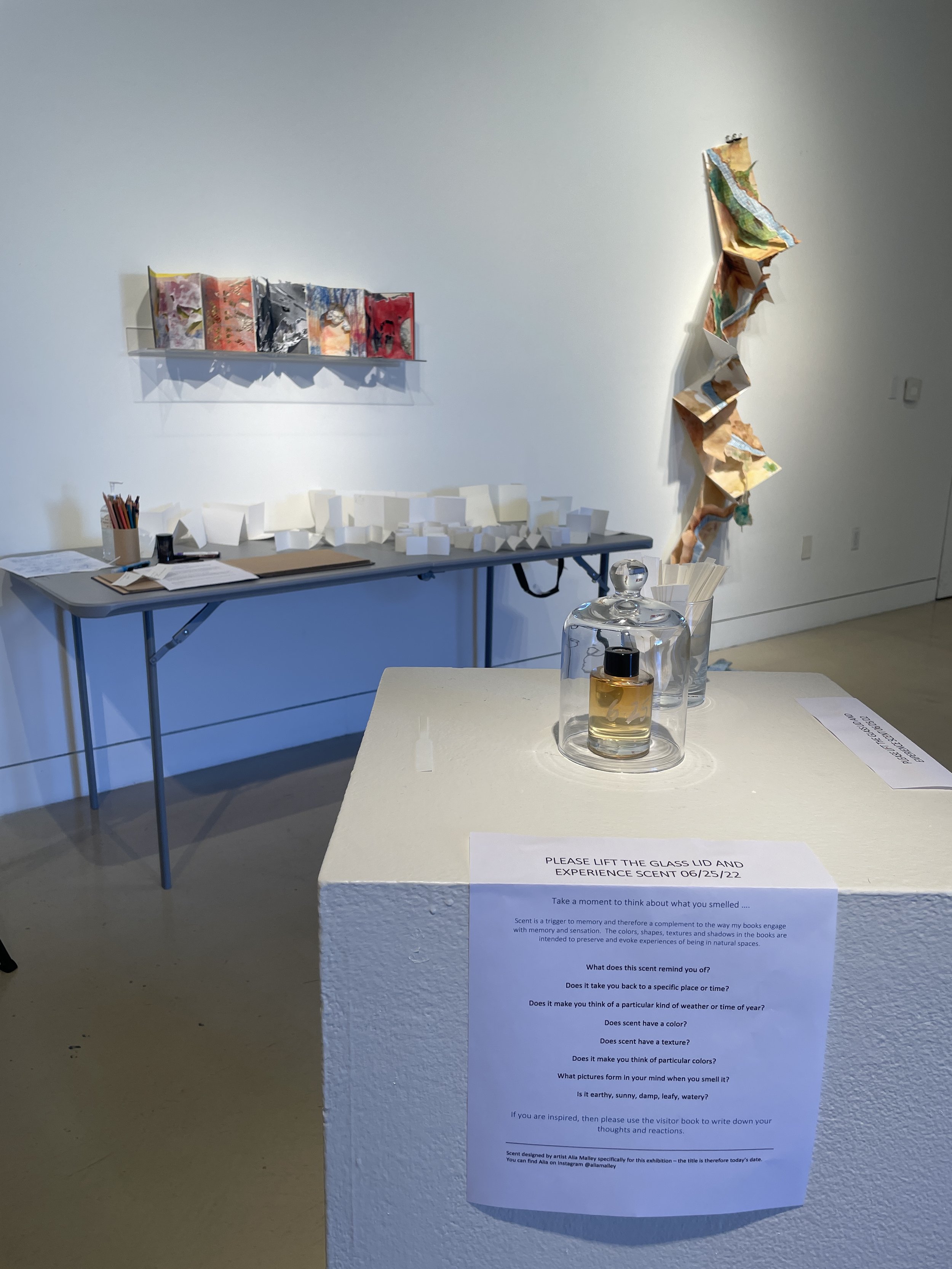
Artist Alia Malley created Leaving Earth 6-25-22 for a scent installation at my 2022 Studio Systems artist residency, at Torrance Art Museum, Torrance, CA.
Scent notes: Walking alongside a temperate river with soft earth underfoot | water & loss | a loamy understory | wet woods and the sun shimmering through the clouds after the rain.
Torrance Art Museum
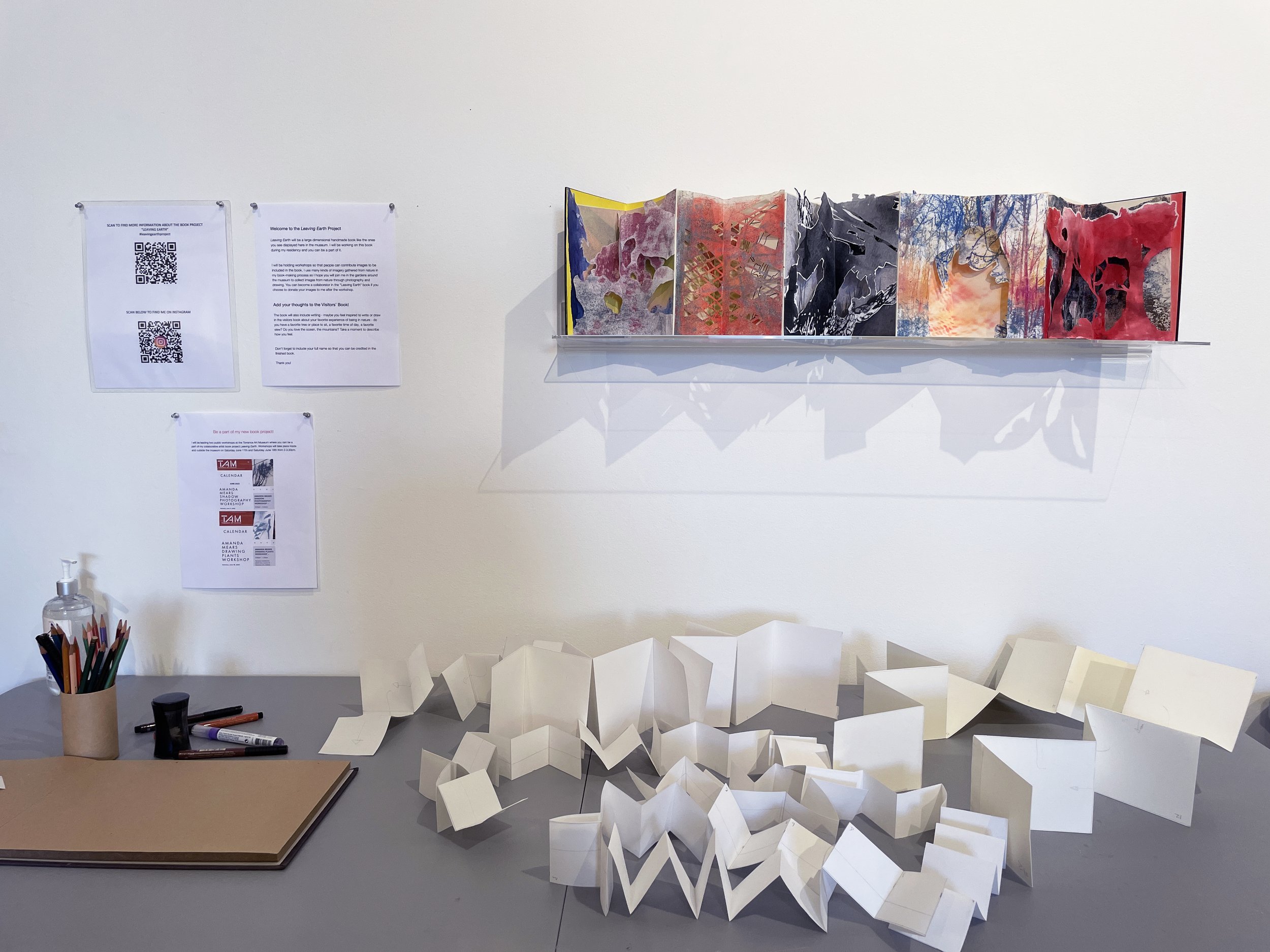
Torrance Art Museum in California is the premier contemporary visual art space in the South Bay. They invited me to their month-long Studio Systems Residency program, where I hosted two public Leaving Earth workshops. People of all ages created a collaborative drawing for a new Leaving Earth book.
Laura Fox
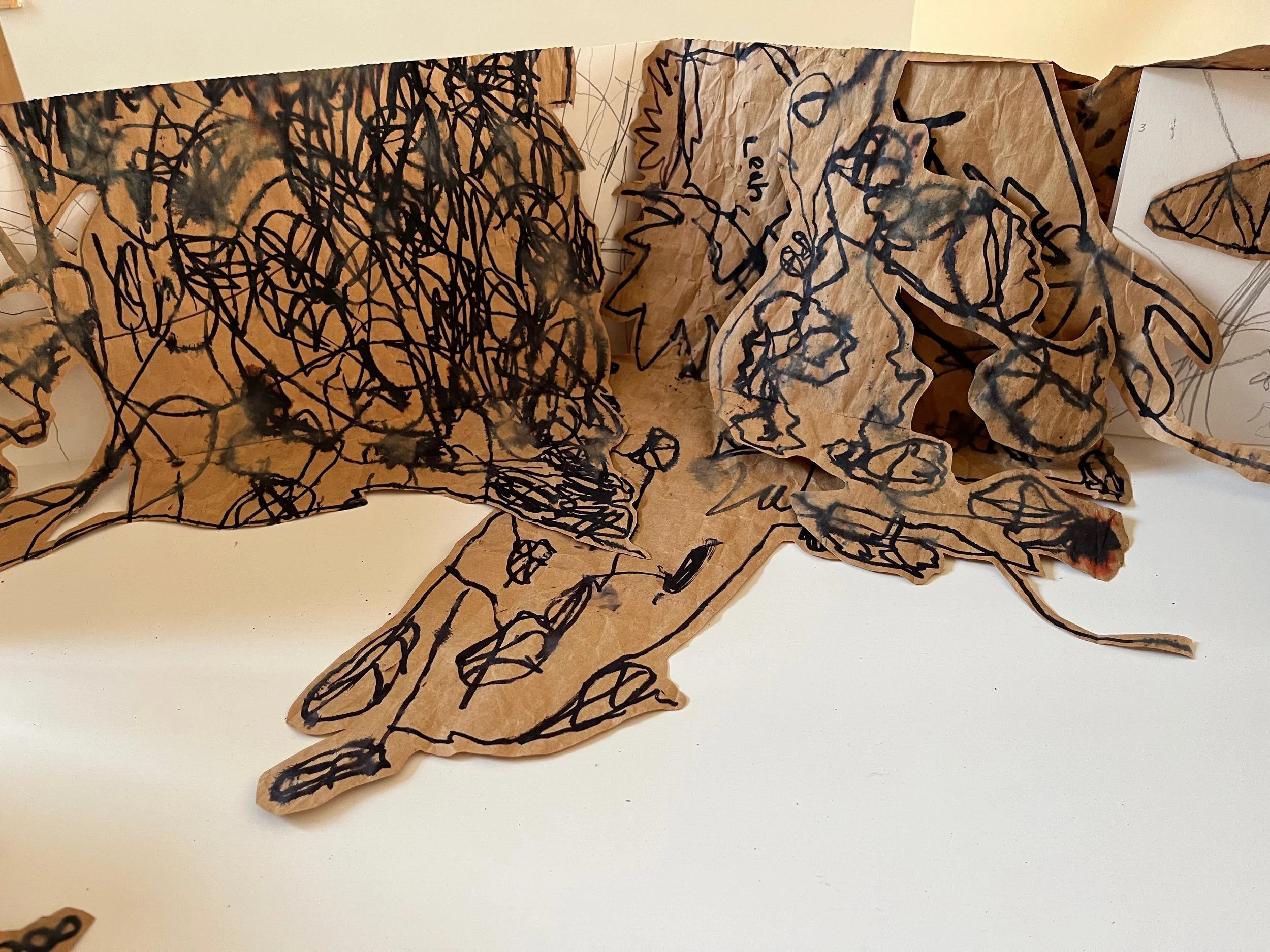
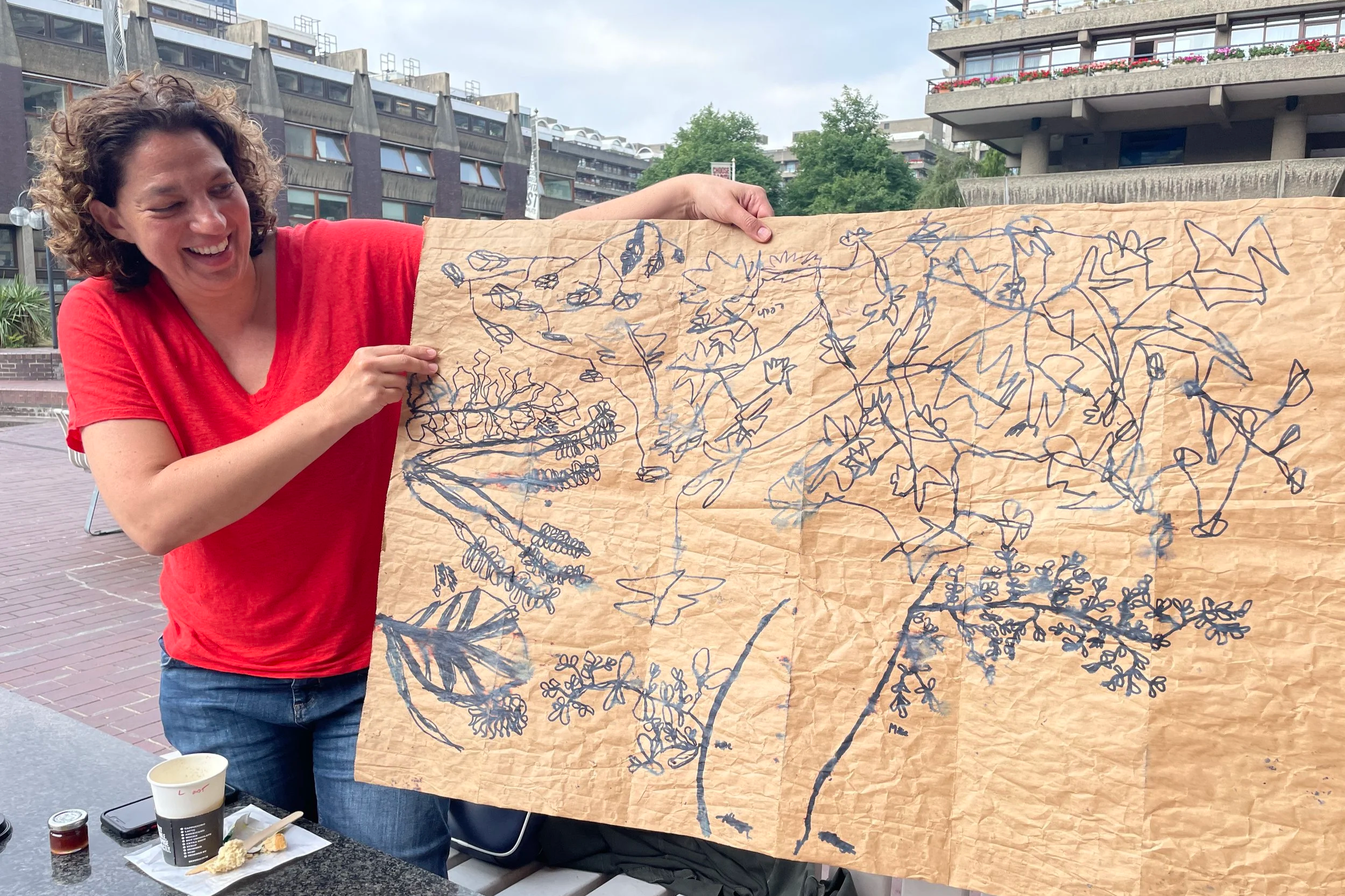
Artist and educator Laura Fox made a huge collaborative drawing for Leaving Earth (now Book 6 “Coldfall Woods”) with her young students – drawing outside in an ancient woodland, capturing the shapes around them. The rain helped too, with some fabulous ink blurs.
The Fitzwilliam Museum
I was honored to be a Visiting Artist at Cambridge University’s Fitzwilliam Museum, hosting two workshops for Leaving Earth in September 2022.
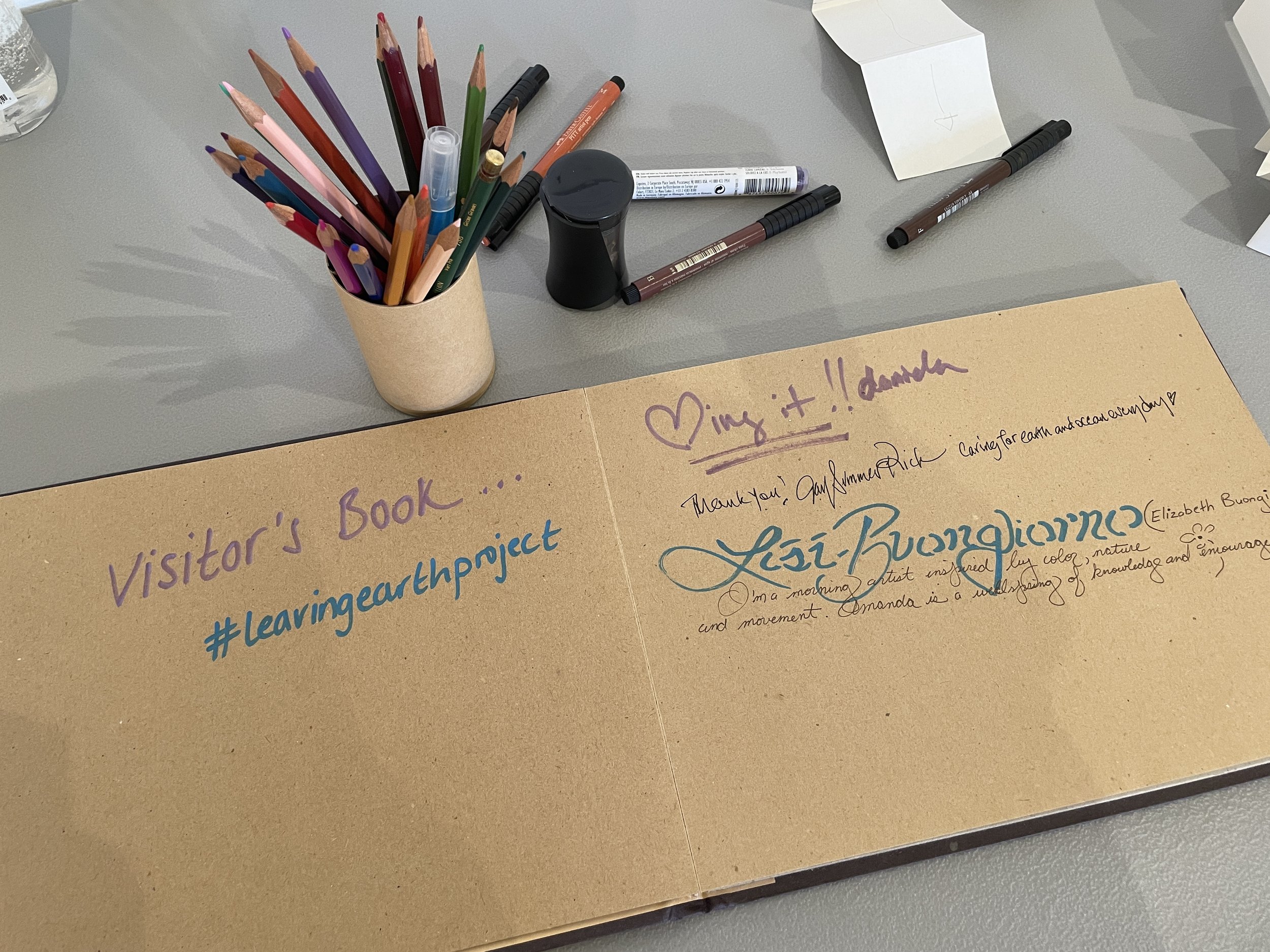
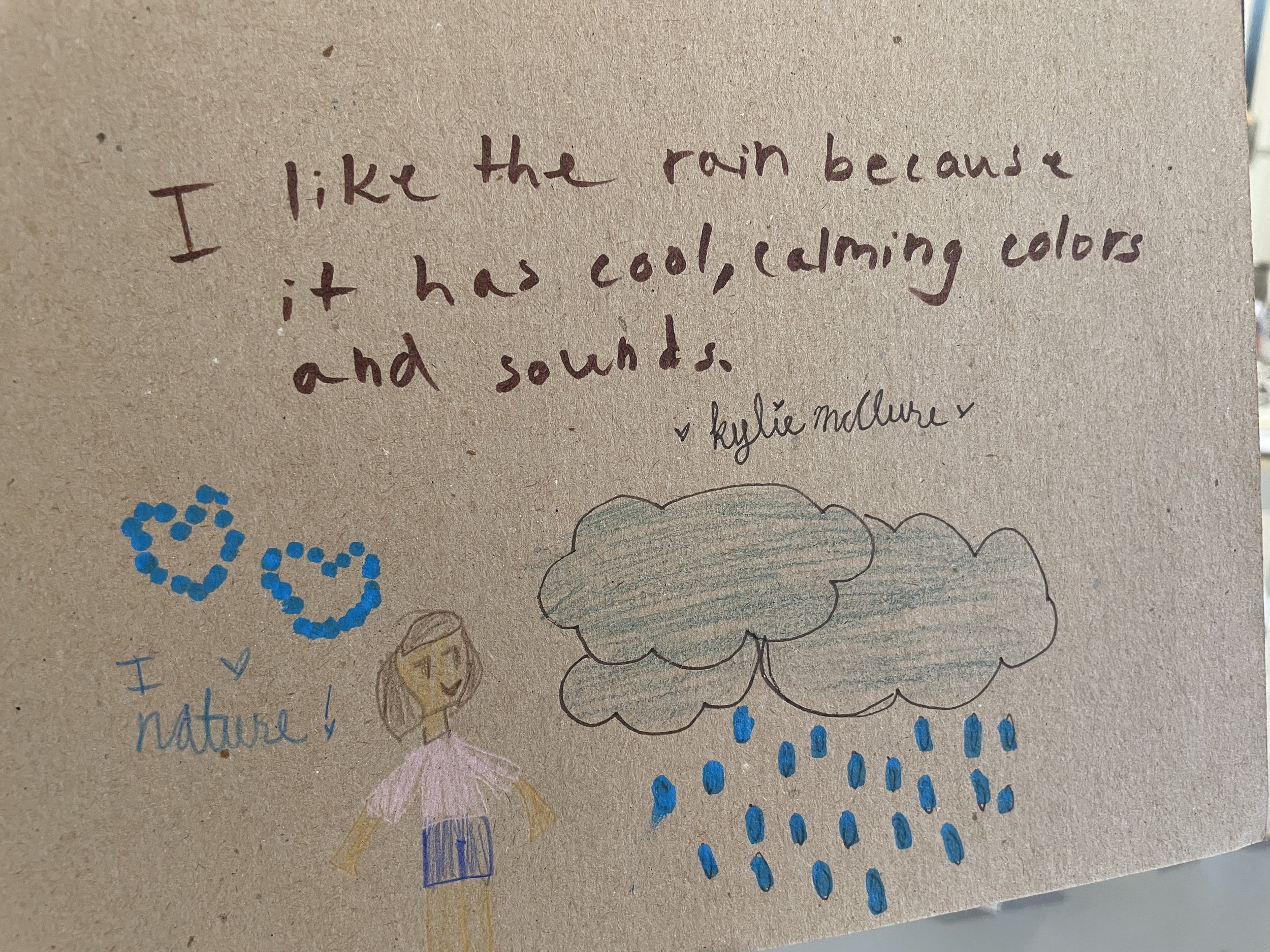
When asked how the day went, one young participant wrote FUN in huge letters. It was a fantastic day.

The Bookmark Collective
This global collective is an international collaboration between artists from Eastern and Western Europe, North and South America, Africa, the Middle East, Asia, and Australia. I’m excited to add such diverse terrains, experiences, and practices to the Leaving Earth Project.
More About Amanda Mears’ Leaving Earth Project
Why Is the Book Series Called Leaving Earth?
While this project is couched in science fiction, we actually do live in a time where climate change and habitat loss are very real concerns for life on Earth, and billionaires are rumoured to be building themselves intergalactic arks in which to leave Earth.
Habitat loss means fewer wild spaces for plants, animals, and humans. Access to natural spaces is also being impacted – in LA, the entire mountain areas north of the city were recently closed to public access due to increased fire risk. Campsites are regularly closed for the same reason. North American National Parks are considering a lottery system to limit access, and rising water levels threaten the coastal villages in Devon, England, where I spent my childhood, as well as countless other coastal cities and island nations. Biodiversity has reduced enormously in living memory. My father remembers a very different climate growing up in England: more birds and wild animals, a smaller, less impactful human population, and a more direct connection to the land.
“Sometimes I picture a botany book in the future saying something like, “The lilac is now extinct. Its fragrance is thought to have been something similar to” … and then what can they say?” – Andy Warhol, “A to B”
Leaving Earth is an innovative memory cache that speaks simultaneously to our most precious memories of this world, our interstellar future, and the sense of loss so many of us already feel in the present.
Imagine Yourself at the Museum of Art and History on Mars
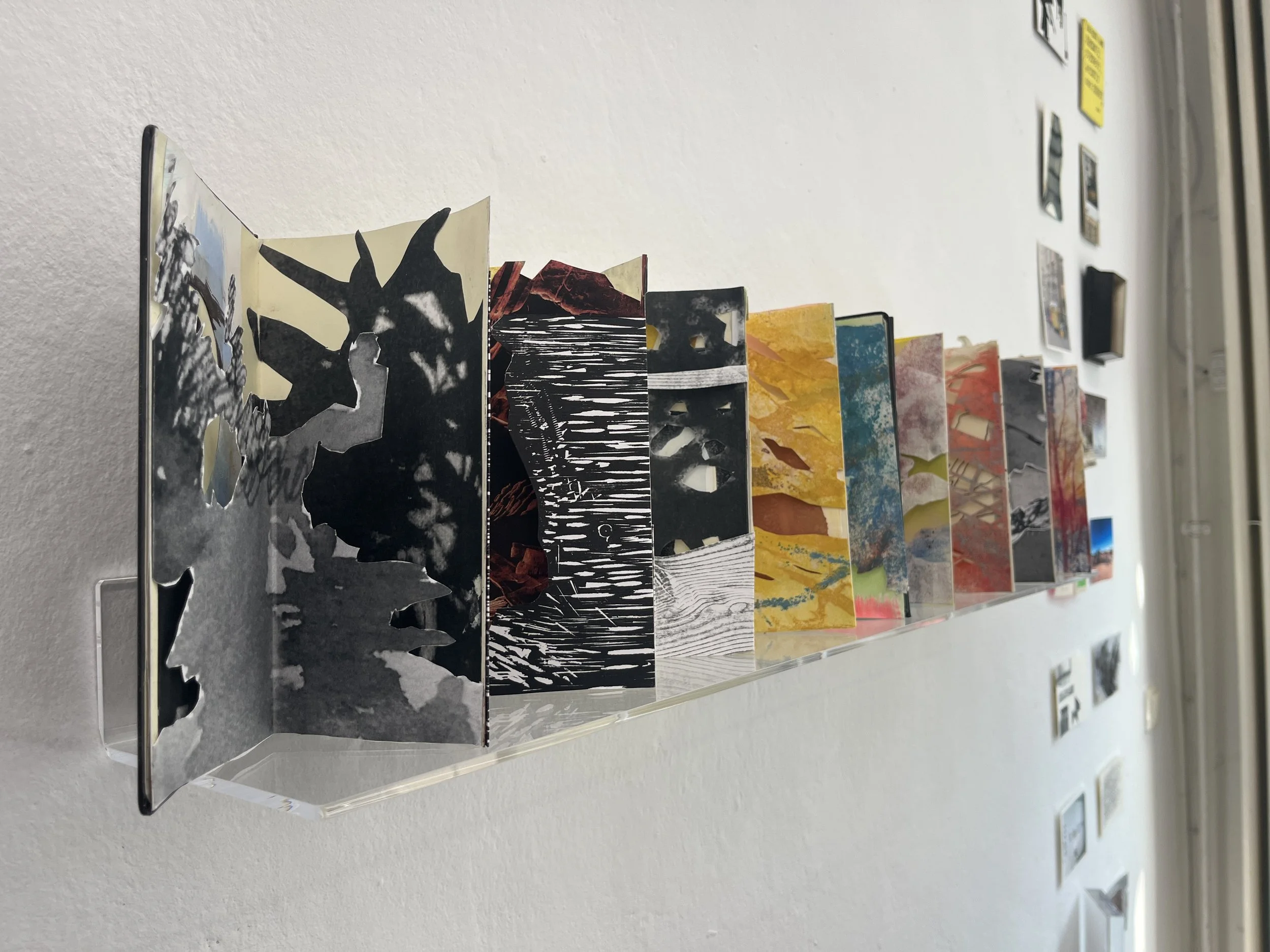
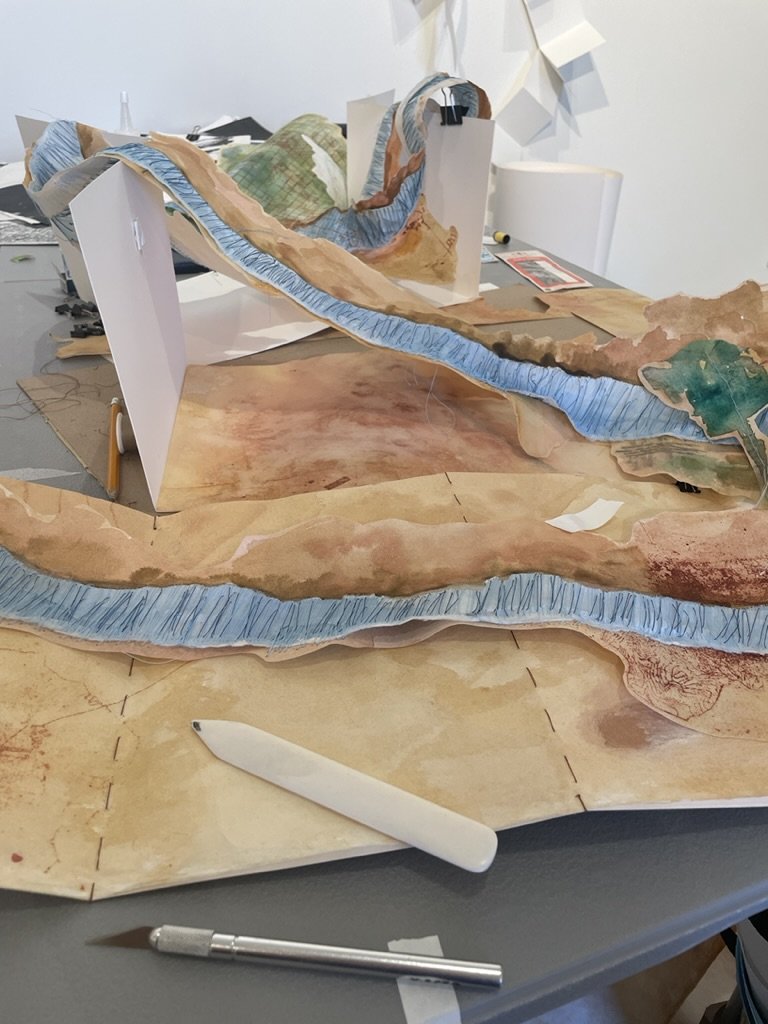
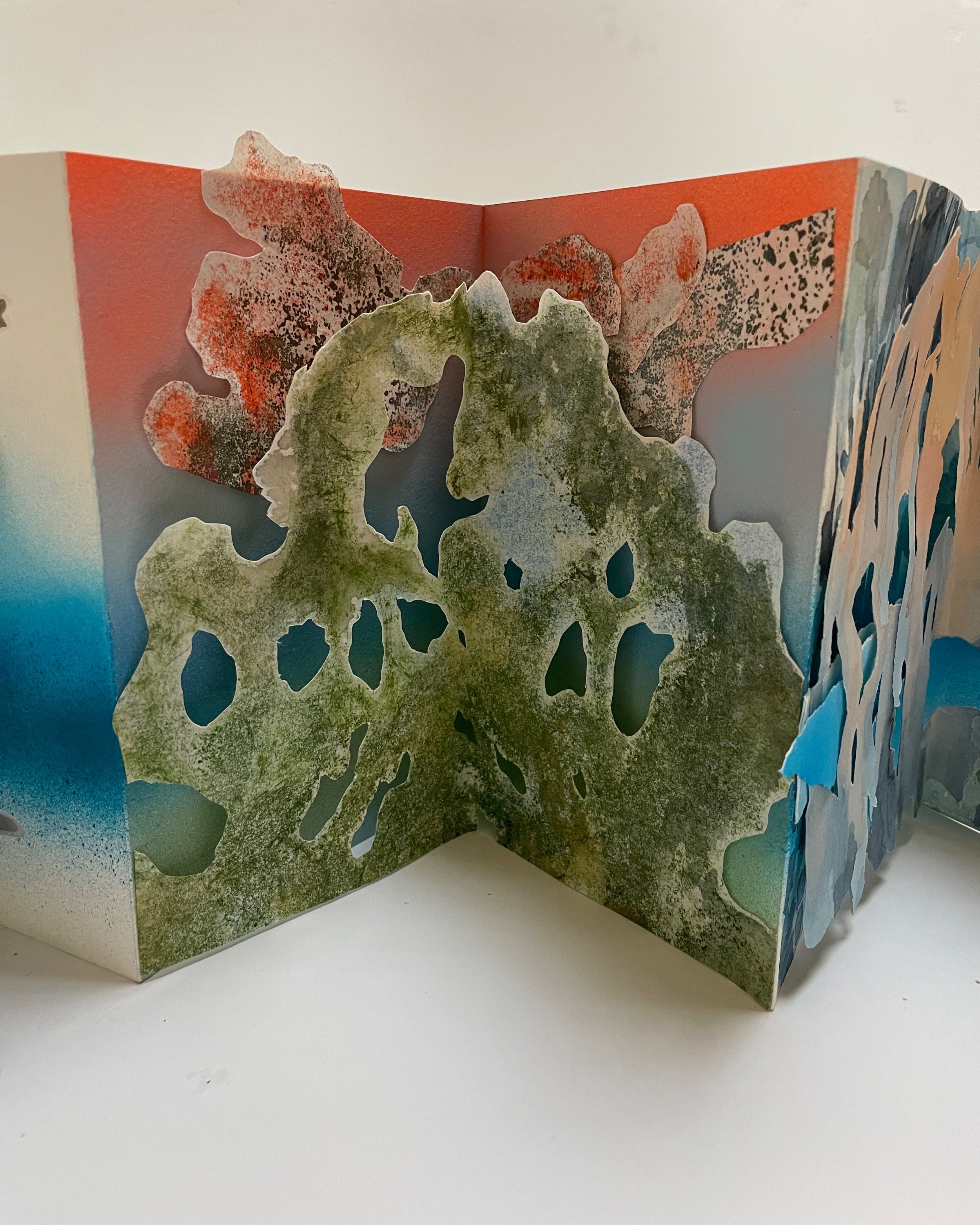
I like to imagine the Leaving Earth books displayed at a future Museum of Art and History on Mars – something from the old planet with a rich art historical heritage. Each one is a three-dimensional sculptural concertina evoking through color and texture the visual experience of being on Earth.
“We really had it all, didn’t we?” - Leonardo DiCaprio – “Don’t Look Up”, 2021
To museum-visiting Martians, the books would be a glimpse into the unimaginable visual and tactile richness of a lost planet, while to today’s earthlings they are clarion call to conserve and value what we have.
What Would You Miss Most About Life on Earth?
In Tarkovsky’s movie of Stanisław Lem’s novel “Solaris,” we find the astronaut Kris Kelvin walking through the countryside near his home before leaving for outer space. He looks at the mist, tree shadows, and the weeds flowing with the river. He caches these memories. He may never return to Earth. He is experiencing the loss of these things before he loses them. In the current climate situation, where natural spaces are under threat and many no longer have the privilege of access to nature, we are all like Kris Kelvin because we too may only be left with memories.
“What did that word mean to me? Earth?” ― Stanisław Lem, Solaris
What effects of the light, what views and experiences would you most miss from our home planet? If you found yourself about to board an interplanetary Ark, what would you want to take with you to remind you of what you are leaving behind? Perhaps a book that reminds you of all that you once had?

Astronaut Kris Kelvin says goodbye to Earth in Tarkovsky’s film Solaris.
How are the Leaving Earth Books Being Made?
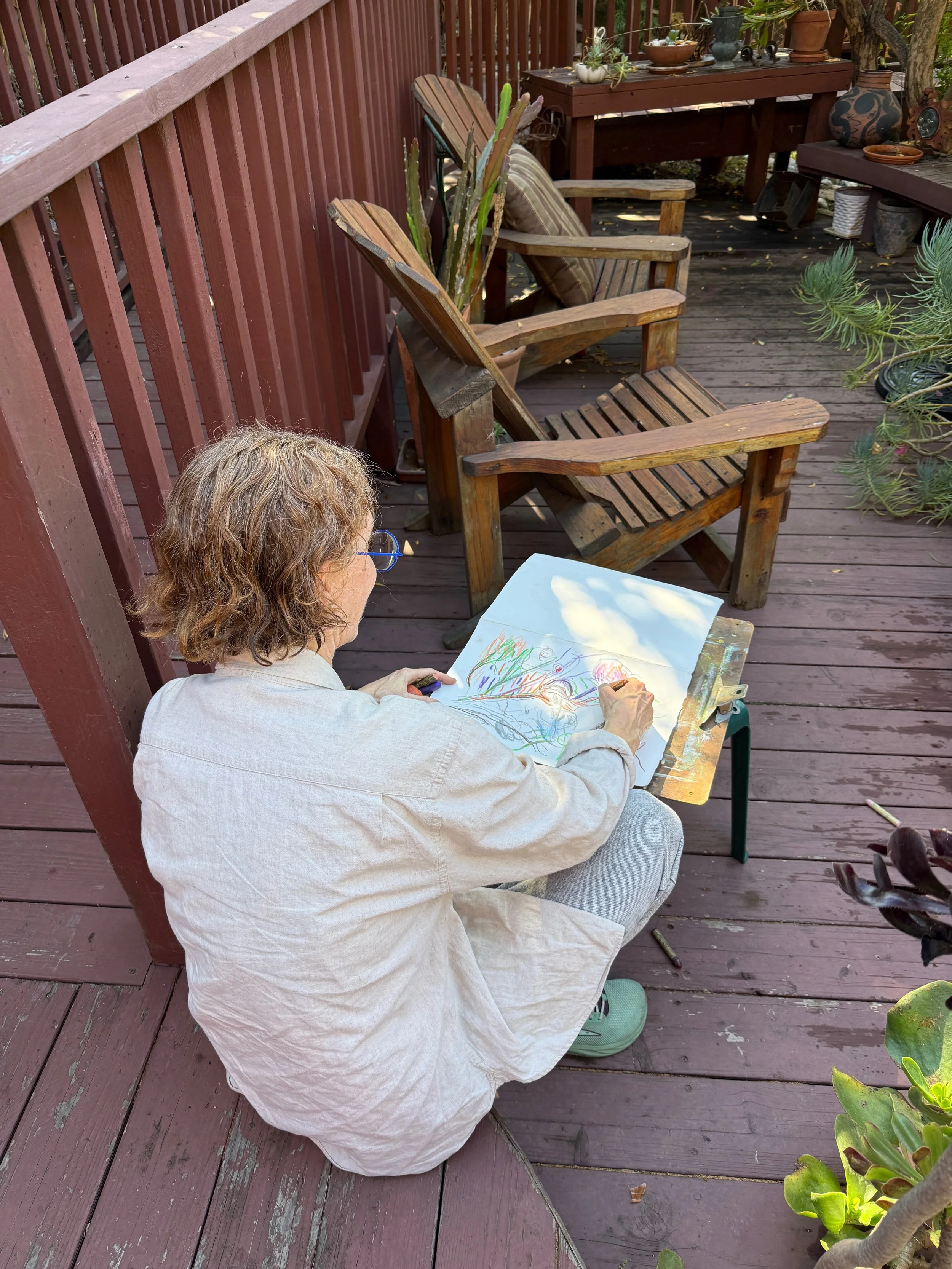
Each book in the Leaving Earth Project is made from different materials and methods of documentation and imaginative response. Many of the materials are gathered through free public workshops and community outreach. Presence in nature is the central theme of Leaving Earth, so workshops focus on observing and recording responses to the natural environment visually or through writing.
Workshops for Leaving Earth have been supported by institutions including The University of Cambridge’s Fitzwilliam Museum (UK) and The Torrance Art Museum (Los Angeles). Artist collaborators from around the world are also bringing their communities’ unique voices and techniques to the project.
Each book is assembled by me, often in collaboration with other artists. All participants’ names are recorded in the book they contributed to.
How Will People Experience The Leaving Earth Project?
Because the books (mostly) fold up, they are easily transported. My hope is that Leaving Earth will travel widely to libraries and schools, government buildings, and other community spaces as well as traditional art venues.
Portable and accessible, reminiscent of a pop-up book, they engage diverse audiences. Leaving Earth is not dystopian or didactic, it is an aide-mémoire of a beautiful, diverse planet. It is both a celebration and a warning. I hope that Leaving Earth will continue its life as an ongoing conversation about climate change and global equity.
Leaving Earth Project Press

Leaving Earth books 1 and 2 were part of a habitat-focused show Troubled Kinships at Scotty, Berlin